Representative Alumni
- Yahyah Aman, Ph.D. (King´s College London), Postdoc Fellow (2018.02-2021.01)
Current position: Senior editor at Nature Ageing - Chenglong Xie, Ph.D. (Shanghai Jiaotong U.), Postdoc Fellow (2019.09-2020.11)
Current position: Associate Professor and principle physician at Wenzhou Medical University, China. - Noemí Villaseca González, PhD (University of Castilla-La Macha, Spain), Postdoc Fellow (2022.07-present)
Current position: Associate Professor at University of Castilla-La Macha, Spain - Caroline Shi-qi ZHANG, PhD student (2021.05-2025.06)
Current position: Assistant Professor at Dalian Medicinal University, China.
LIST of ALUMNI
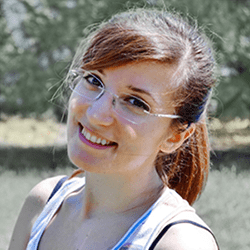
Domenica Caponio, PhD candidate (2017-2018)
Email: nica.caponio[at]gmail.com
Nica is an Italian PhD student from Università degli Studi di FOGGIA. She joins Evandro’s group because of her long-standing passion in studying the molecular mechanism of human aging. She studied at the University of Bari and then she is attending a PhD course at University of Foggia in which she is involved in deepening metabolic aspects in human cell lines. She is also passionate about teaching. At UiO, she is working on the effect of mitophagy, a cellular process which enables systematic self clearance of damaged mitochondria, in the rejuvenation of stem cells. She uses multiple laboratory models, including C. elegans, Drosophila, and human cells to approach this fundamental question in human aging. She was the 2022 recipient of the prestigious nasjonalforeningen for folkehelsen postdoc fellowship.
Hobbies: swimming; cooking.

Honorary Senior Professor Aasmund Sudbø, Ph.D. (UC Berkley) (2020.04-2021.06)
Email: aasmund.sudbo[at]its.uio.no
We were very proud to call Professor Aasmund Sudbø an affiliated honorary senior Professor of the Fang Laboratory, and enormously saddened by his passing (13 January 1951- 8 June 2021). Our thoughts are with his family, colleagues and friends. He reminded us all to “be curious on ageing research and to develop an easily accessible intervention to slow down ageing in the general population”.

Annalisa Altera, exchange student (2018)
Email: annalisa.altera[at]student.unisi.it
Annalisa Altera obtained her bachelor degree in “Biologia Sanitaria” at the University of Siena, Italy. She did seven months research in cancer study for her bachelor thesis. She has a big passion in aging research, especially on how and why people grow old. She has been an awardee of the ERASMUS programme, which supports her research ship in University of Oslo. In the Fang group, she is focusing on the stem cell dysfunction in a premature aging disease, the Werner syndrome, using two model systems, C. elegans and Drosophila. Her long-term plan is to be an independent group leader.
Hobbies: swimming; dancing; hang out with friends.
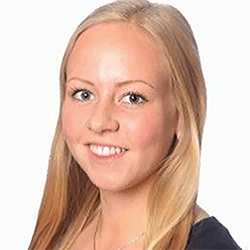
Aina Balto, summer student (2018)
Email: ainabalto[at]hotmail.com
Aina Balto is a senior year college student reading molecular biology at the University of Oslo. She is interested in understanding the mechanisms and processes of the development of human life at a molecular level, and how this can be used to explain the causes of various human diseases. In the Fang’s laboratory, she is involved in the studies of the molecular mechanisms of accelerated aging. She plans to take a master’s degree in Molecular Biology after she finishes her bachelor’s degree. In her spare time, she teaches mathematics to high school students.
Hobbies: hiking, skiing, soccer (football in British English).
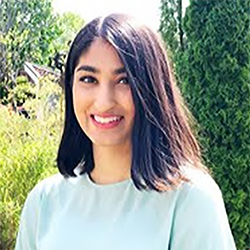
Madiha Samrin Khalid, Research volunteer (2018-2018)
Email: m.s.khalid[at]studmed.uio.no
Madiha Samrin Khalid is a 3rd year medical student starting in autumn 2018, at the University of Oslo (UiO). She has a big passion on basic medical research which she considered a way to understand the molecular mechanisms of various diseases. She is especially fascinated with the neuronal system as well as neurodegenerative diseases. Since there are still so many unanswered questions regarding human neural system, she wants to contribute to answering these questions with a final goal to develop new treatments. Having extensive training of basic research at EpiGen, she is making a synergy between medical training and basic medical research. She has an interest in working in student organizations.
Hobbies: photography, tennis, running

Sarosh Bekir , Research volunteer (2019)
Email: Sarosh_Bekir[at]hotmail.com

Chenglong Xie, Ph.D. (Shanghai Jiaotong U.), Postdoc Fellow (2019.09-2020.11)
Email: xiechenglong1987[at]126.com
Dr. Chenglong Xie obtained his Ph.D. in Neurology in 2016 from Shanghai Jiaotong University, China. During his Ph.D. period, he investigated the molecular mechanism of L-dopa-induced dyskinesia (LID) in Parkinson’s disease; more specifically, he studied the novel interactions between CaMKIIa and GluN2B in LID. After his Ph.D., he started a job as a physician scientist in Wenzhou Medical University where he continued his interests in Parkinson’s disease. At UiO, he will be worked on the interconnected crosstalk among mitophagy, NAD+, and cognition in Alzheimer’s disease.
Hobbies: Badminton; Basketball; Movie; Reading
Current position: Faculty at Wenzhou Medical University, China.

Yahyah Aman, Ph.D. (King´s College London), Postdoc Fellow (2018.02-2021.01)
Email: amanyahyah[at]yahoo.co.uk
Yahyah has investigated mechanisms of pain in Alzheimer’s disease during his PhD programme, under the supervision of Professor Marzia Malcangio and
Professor Clive Ballard at King’s College London, UK. In the Fang laboratory, he is interested in investigating the molecular mechanisms of mitochondrial autophagy (mitophagy) and its roles in human aging and age-related neurodegeneration, especially in Alzheimer’s disease. In particular, he is using multiple laboratory models, including human iPCSs, C. elegans, novel transgenic mouse models, as well as human samples, in order to elucidate the molecular mechanisms underlying mitophagy in Alzheimer’s disease.
Hobbies: Football; Cricket.
Current position: Researcher at UCL, UK; currently Associate editor at Nature Ageing
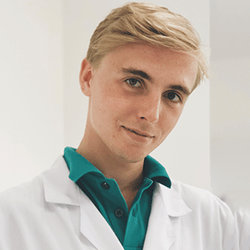
Adrian Matysek, Research Volunteer (2019)
Email: adrian.matysek[at]med.sum.edu.pl
Adrian Matysek is a 4th year laboratory medical student starting in autumn 2019, at the Medical University of Silesia in Katowice, Poland. He is intrigued by the sophisticated causes and processes of aging. He joined the Fang Lab for a summer internship 2019 because of his passion to understand the mechanisms of age-associated diseases, especially Alzheimer’s disease. In the short summer intern, he got intensive training on basic anatomy and handling of the powerful laboratory model the roundworm C. elegans as well as got the opportunities of attending two national meetings. He is very ambitious in both medical research and clinical patient service, and is planning to continue his scientific career in the future.

Pawel Strychalski, ERASMUS Student (2020.07 – 2020.10)
Email: pstrychalski[at]gumed.edu.pl
Pawel is a nutrition science student in Gdansk Medical University, Poland. His main focus is the impacts of lifestyle and nutrition on healthspan, especially in cognitive function. He had an internship in Bologna, Italy in the Carla Ferreri Group where he worked on lipidomics, cell membrane composition in health and disease. His lifelong aim is to translate discoveries from basic science to the promotion of human health and longevity.
Hobbies: reading, exercising in nature.
Shi-Lu Chen, Special Volunteer (2020.06 – 2021.01) (remote affiliation at Sun Yat-sen University, China)
Current: Medical doctor at SUMS

Tarjei Hartmann Skjånes, Masters Student (2020.03 – )
Email: t.h.skjanes[at] medisin.uio.no

Rina Ruiyu Han, Visiting Researcher (2020.02 – 2020.09)
Email: 66743941[at]qq.com
Name: Tuong Vi Thi Nguyen, Medical student (2021.02 -2021.07)
Email: t.v.t.nguyen[at]studmed.uio.no
I am a Norwegian medical student at the University of Oslo. I am currently attending my third year at the faculty of medicine, where I was granted the opportunity to write my project thesis at the Fang lab. I have a burning curiosity about the human brain, and the mechanisms of ageing in particular. At the Fang lab I will be focusing on mechanisms that promotes mitophagy in cells and enhances lifespan in C. elegans.
Hobbies: Crocheting and cooking.
Name: Daniela Bejan, Summer Internship (2021.06-2021.07)
Email: daniela.bejan[at]kjemi.uio.no
I am in the second year of my undergraduate degree in Biochemistry at the University of Oslo. I will use this opportunity to gain experience with laboratory techniques for genomic research using C. elegans, and get an insight into the molecular mechanism of age-related diseases, such Alzheimer’s disease. I aim to pursue a research carrier in the field of aging.
Hobbies: Climbing and cooking.
Name: Mirko Tamma, Erasmus student (2021)
Email: mirko.tamma[at]gmail.com
Mirko Tamma got a bachelor degree in “Biomolecular Sciences and Technologies” at the University of Foggia in Italy. During his studies, he worked on the reciprocal interplay between mitochondrial metabolism and circadian clock in Parkinson’s disease. He worked on sincronized primary fibroblasts from patients with Parkin mutation using Seahorse technology. He is now taking a masters degree in Medical Biotechnology at the University of Foggia pursuing his research on Parkinson’s disease. Currently he is studying the circadian alterations of mitochondrial network dynamics in Parkin mutant fibroblasts using confocal microscopy. He obtained an Erasmus fellowship to attend the Fang laboratory at University of Oslo aimed to deepen his knowledge in neurodegenerative diseases field.
Hobbies: Cycling, Playing guitar, Hiking and Discover new placescling, reading, university societies .

Name: Mirka Mariani, Erasmus student (2021)
Email: mirkamariani[at]gmail.com
Mirka Mariani earned her BSc in Biomedical Science and Technology” from the University of Foggia, Italy. For her bachelor’s thesis, she worked on mitochondrial metabolism in cancer cell lines, acquiring experience in mitochondrial biochemistry methodologies and cell biology. She is currently taking her master’s degree in Medical Biotechnology at the University of Foggia focusing her research interest on neurodegeneration. In particular she is studying the mitochondrial alteration occurring in Parkinson disease using as cellular model neurons derived from induced pluripotent stem cells obtained from patient fibroblasts. She obtained an ERASMUS fellowship to support her research traineeship at University of Oslo.
Hobbies: Listening to music, exploring the world/nature and working ou

Name: Markus Nyhus, Medical Student (2021)
Email: markus.nyhus[at]studmed.uio.no
I am a third year medical student attending the University of Oslo. Starting january 2022 I will be involved with the Fang lab as a part of my project thesis on the current methods used to detect neuronal NAD+ in living organisms and c. elegans in particular. Personally, I am very fascinated with neurology and the molecular mechanisms behind psychology and cognition. Through my studies I strive to better understand the mysteries of the human brain and how it works; why do we think and act the way we do, and what truly makes us who we are? And not least, what happens when these basic functions are lost? In the future, I would like to be able to contribute to solving this puzzle and wish to take part in research enabling new insights into what happens in our brains to cause pathology and the development various neurodegenerative diseases, including Alzheimer’s disease, Huntington’s and ALS.
Hobbies: Running and reading.
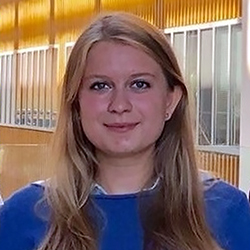
Nuria Pereira Banzo, Volunteer (2020.03-2020.09)
Email: nuriapb[at]student.odont.uio.no
See the UiO news/interview: here

Name: Alejandra Carrancho, Student (2021)
Email: alecar06 [at] ucm.es
I got my Bachelor’s degree in Biochemistry at the University of Castilla-La Mancha (Spain). During this time I could collaborate in different laboratories and learn about neuroregeneration and innate immunity, becoming really interested in the molecular machinery behind neurodegenerative diseases. This led me to study a Master’s degree in Genetics and Cellular biology, which allowed me to study cellular ageing in a little more depth. Lately I have been exploring the role of the NAD+-dependent deacetylase SIRT3 in the activation of the inmune response, which could be associated with neurodegenerative diseases, including Alzheimer’s disease and Parkinson disease. I would like to focus on the understanding of the basic mechanisms underlying aging processes to delay the appearance of age-related diseases and pursue a PhD in this field.
Hobbies: Hiking, volleyball and movies.
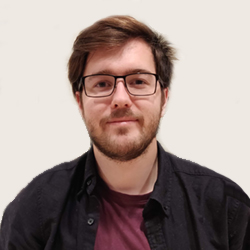
Name: Mats Asakskogen Landfald, Student (2022)
Email: matsala [at] student.ibv.uio.no
Mats Asakskogen Landfald finished his bachelor’s degree in Bioscience from the University of Oslo with a Neuroscience specialization from University of California Berkeley. Being affected by a close relative passing from Alzheimer he pursued a life science education to get a better understanding of the disease and contribute to curing it. During his bachelor in Oslo, he has worked both as a teaching assistant in evolutionary genetics and as a lab assistant in the LagLivLab project at the department of physics. In Berkeley he was taught neurological circuits and disease by members of the Helen Wills Neuroscience Institute. After writing a final term paper on selective degradation of the entorhinal cortex and its effect on unaffected CA1 neurons during Alzheimer disease, he found an interest in the circuit level effects of neurological diseases and the interactions they have with other circuits. In the autumn he will pursue a master’s degree at UiO in the field of Physiology, Cell Biology and Neuroscience.
Hobbies: Hiking, Running, Grand Strategy Games.

Johannes Frank, ERASMUS student (2019.06-2020.01 ERASMUS student) (2020.09-present Master student at the University of Vienna, un-officially co-mentoring on his Masters project)
Email: jfrank0990 [at] gmail.com
Mr. Johannes Frank was an exchange student at the Fang lab for his bachelor’s degree at the University of Applied Sciences in Krems, Austria. He wrote his bachelor’s thesis about research undertaken during his six months internship in the Fang group. During his internship he was involved in studying the anti-aging effect of NAD+ precursors and mitophagy inducers on premature aging, especially in Werner syndrome, using the model organisms Drosophila melanogaster and C. elegans. Currently he is taking a master’s degree in Molecular Biology with a major in Neuroscience at the University of Vienna, Austria. Besides his Master Program, he is working on a collaborative project in the Zimmer Group at the Research Institute of Molecular Pathology in Vienna. For this Project he analyses the sleeping behavior of C. elegans Alzheimer’s models.
Hobbies: skiing, fencing, weight training.
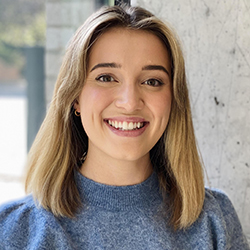
Name: Emilie Gasparini, exchange student (2021.06 -2023.09 )
Email: emilietgasparini [at] gmail.com
I have a Bachelor’s Degree from University of Minnesota, and will be starting my Neuroscience Master’s in the fall at University of Copenhagen. My research background is in studying the role of the autophagy-lysosome pathway in relation to accumulation of aggregates and neurotoxicity in Parkinson’s Disease. In the Fang Lab I am interested in investigating the molecular mechanism of mitochondrial autophagy (mitophagy) in Alzheimer’s Disease.
Hobbies: Yoga, Hiking and Skiing.
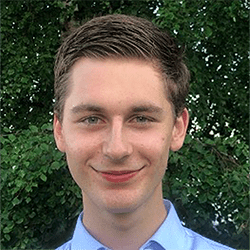
Name: Bjoern Olaisen, visiting student (2021.05 – 2023.09)
Email: bjoernolaisen [at] hotmail.com; Bjornolaisen@gmail.com
Bjoern is doing a bachelor’s degree in Molecular Genetics at King´s College London. He tries to develop a broad understanding of biosciences with a special focus on genetics and bioinformatics. The reason is that he wants to devote his scientific career to improve our understanding of the molecular mechanisms of ageing and age-related diseases. He hopes this will enable us to make interventions that can increase our lifespan and healthspan. A big part of his motivation is the potential of understanding and intervening with the ageing process for improving a range of diseases and health problems in the elderly. Bjoern came to the Fang lab because he wanted to get research experience in the ageing field and was impressed by the world-class publications. In the lab, Bjoern contributes to investigations of mechanisms of ageing, by trying to find links between proteins in longevity pathways. He also tests a longevity drug and helps to explore the links between mitophagy, ageing and disease. Bjoern is working towards doing a PhD in which he can improve our understanding of the fundamental mechanisms of ageing.
Hobbies: Running, hiking, skiing, cycling, reading, university societies.

Name: Bai-lei Li, visiting Ph.D Candidate (2021.10-present)
Email: libl1213 [at] foxmail.com
Bai-lei Li is a visiting PhD student from the Prof. Wen-hui WU Laboratory in Shanghai Ocean University, China. He is supported by the China CSC Scholarship. His PhD project in China is targeting on the molecular mechanisms of tooth aging, with focuses on the effects of marine biological β-chitooligosaccharides on the structure of dentin tubules and the signal transduction characteristics of bone cells. In the Fang Laboratory, he is mainly working on the neuronal protein REST and mitophagy and their linkages to memory and longevity.
Hobbies: Hiking, volleyball, movies.
Name: Marisa Khanokwan Børthus, Student (2022)
Email: marisakb [at] uio.no
Marisa is a bachelor student in bioscience and a teaching assistant in programming at the University of Oslo. She has a special interest for biological questions surrounding the effects of lifestyle factors, especially diet, on human health, fertility and aging. As a summer student in the Fang lab, Marisa fulfills her dream of working within this field as she studies the effects of small compounds in passion fruit on C. elegans models of Alzheimer’s disease.
Hobbies: Art, yoga, tea, cooking, programming, slow fashion.

Name: Martin Andreas Wilvang, Medical student (2020.03-2022.06)
Email: m.a.wilvang [at] studmed.uio.no
Martin is a norwegian medical student at the University of Oslo on his fourth year and finds the field of neurodegenerative diseases and the potential of NAD+ boosting to mitigate neurodegenerative phenotypes especially interesting. He became a part of the Fang lab through working on a master’s equivalent subject at the university along with Ole Kristian. He has been writing a review about “Preclinical and clinical evidence of NAD+ precursors in health and ageing” with a focus on the pharmacological aspects of different precursors.
Hobbies: Bible studies and teaching, skiing, climbing and volleyball
.
Ole Kristian Reiten, Medical student (2020.03-2022.06)
Email: o.k.reiten [at] studmed.uio.no
Ole Kristian is a Norwegian medical student at the University of Oslo (UiO). Here, he is currently attending his fourth year at the faculty of medicine, where he was granted the possibility to write his project thesis at the Fang lab in collaboration with Martin Andreas Wilvang. He is particularly interested in the development of potential interventional strategies to mitigate neurodegenerative and age-related disease phenotypes as the global population continuously grows older. His contributions at the lab revolves around exploring the therapeutic potential of NAD+ boosting to forestall these phenotypes and promote healthy longevity.
Hobbies: Callisthenics, exploring the world, fiction, playing the guitar.

Noemí Villaseca González, PhD (University of Castilla-La Macha, Spain), Postdoc Fellow (2022.07-present)
Email: noemi.vgonzalez [at] uclm.es
I got my Bachelor´s degree in Pharmacy from the University of Castilla-La Macha, where I did my PhD in the Doctoral Program in Health Sciences. During this time, I worked on the study of the brain distribution of vitamin transporters in pol mu mice, which show delayed ageing. In addition, I have worked on the development of different analytical methods using HPLC coupled to mass spectrometry to determine antioxidant molecules that exert benefits on the molecular processes associated with ageing. Currently, I am working on the administration of antioxidant molecules in the accelerated senescence murine model, SAMP8. During my time in the Fang lab, I would like to focus on the mechanisms that affect the ageing process and further explore this field.
Hobbies: Reading, hiking, cooking and movies.

Brian Christopher Gilmour, Volunteer, NO-Age editor (2019.01-)
Email: briancg [at] student.ibv.uio.no
Brian holds a bachelor’s degree from Canada and is pursuing a master’s in immunology at UiO. He works as a volunteer journalist and editor for the Norwegian Centre for Healthy Ageing (NO-Age) while also completing his thesis at Oslo’s Rikshospitalet, focusing on work with cancer vaccines. Brian has a keen interest in the processes of ageing that started as an undergraduate in Canada and continues here in Norway. He has lab work experience related to immunology, pharmacology and biochemistry.
Hobbies: Swimming, writing, reading, coffee & TV shows
Ruben Gudmundsrud, Volunteer, NO-Age editor (2018.07-present), Master student (2019.11-2020.11)
Email: ruben.gudmundsrud [at] gmail.com
Ruben holds a bachelor’s degree in molecular biology from UiO, and is now taking master courses in immunology and introductory computer science. He works as a scientific assistant (technician, UiO) and editor for the Norwegian Center for Healthy Ageing (NO-Age), and has a special interest in the molecular mechanisms of aging. He thinks exploring the mechanisms can lead to the development of novel therapeutics to suppress the aging phenotype – more importantly to ameliorate disease associated with aging. If we find ways to live longer, we also need to prolong our healthspan. Ruben also has experience from various labs with specialization in neuroscience and immunology.
Hobbies: Hiking/exploring nature, reading, programming, writing, popular science, coffee and TV shows.
Beatriz Escobar Doncel, Internship Student (08-2021 to 08-2022)
Email: ericacback [at] gmail.com
Beatriz got her bachelor degree in “Health Biology” at the University of Alcalá (UAH) in Spain, where she learnt the best of medicine and biology together. In those years, she did several internships to learn about neurodegenerative and cardiovascular diseases in the aging field. She had just finished her MSc in “Therapeutic Targets in Cell Signaling: Research and Development”. Thanks to that she has been studying the proteostasis modifications in a premature aging disease called Hutchinson-Gilford Progeria Syndrome (HGPS). During her studies, she has dreamt about researching aging to unravel the molecular mechanisms of this process and make people have a better quality of life. She hopes to continue learning all that the Fang group has to teach and looking forward doing a PhD in this field.
Hobbies: cooking, basketball, reading, series and traveling.

Name: Adrian Moliere (2021)
Email: adrian.moliere1999 [at] gmail.com
Adrian did his Bachelor’s degree in Biology at the Albert-Ludwigs-University in Freiburg, Germany where he focused on molecular medicine and genetics. For his thesis, he worked on the mTORC2 signaling pathway and ferroptosis in the context of aging. He is mainly interested in the mechanisms underlying human aging and possible ways to reverse this process, with a focus on NAD+ and mitophagy. He joins the Fang lab as a visiting student.
Hobbies: Hiking, skiing, scuba diving, terrariums.
Name: Espen Opseth, Student (2022)
Email: espenjop[at]student.ibv.uio.no
Espen is a bachelor student in bioscience at the University of Oslo. He has an interest in neurodegeneration and longevity research that stems from personal experience working with elderly dementia patients. He joined the Fang lab group in order to gain the experience of working alongside professionals in the field at a world leading laboratory as well as to further his understanding of the molecular drivers of the aging process.
Hobbies: Art, hiking, cooking

Maria Jose Donate Lagartos, Ph.D. (University of Castilla-La Mancha, Spain), Postdoc Fellow (2019.11-)
Email: m.j.l.donate [at] medisin.uio.no
I did my PhD with Professor Ricardo Insausti at the University of Castilla-La Mancha, working on the characterisation of age-dependent changes in the interneuron populations in the hippocampus of two murine models, SAMP8 and Pol mu mice. Later, I become a postdoctoral fellow in Professor Menno Witter’s group at the Kavli Institute for Systems Neuroscience/Centre for Neural Computation in Trondheim (Norway), NTNU. The research project I carried out in this laboratory was focused on the postnatal development of the postrhinal cortex to the medial entorhinal cortex projection. During my years as a PhD student and a post-doc, I learned anatomy, intracellular injections, tracing, and several electrophysiological approaches including anterograde tracing, intracellular injections, confocal imaging, VSD-imaging, patch-clamp, and optogenetics. Currently, I am a postdoctoral fellow in Dr Evandro F. Fang’s laboratory and I am interested in studying lysosome pathway in Alzheimer´s disease (AD) by the use of a unique cross-species platform, involving C. elegans, mouse models and human iPSC.
Hobbies: Reading, hiking, movies, tai-chi, martial arts.
Jared Rice, Student (2021-June 2023)
Email: jaredcr [at] student.ibv.uio.no
Jared earned his BSc in Biology with emphasis on Molecular Biology from the College of Charleston, South Carolina. He completed a capstone in phage informatics and was selected by his alma mater to represent them at the Howard Hughes Medical Institute SEA-PHAGE symposium. Jared worked a year in a Covid-19 analysis and diagnosis laboratory at the height of the 2020 pandemic. Jared defended his MSc in Bioscience on the Molecular Biology and Biochemistry track at the University of Oslo in June 2023. He joined the Fang lab with a long-standing interest in exploring endogenous retroviral/infectious viral impacts on the molecular mechanisms of aging and has aspirations of restoring vitality in geriatric populations.
Hobbies: Cooking, riichi-mahjong, scuba diving, exercise, mentoring, urban explorationeries and traveling.

Erica Caci Back, MSc Student (01-2023 to 05-2023)
Email: ericacback [at] gmail.com
Erica has a bachelor’s degree in chemistry. In the fall of 2022, she started the last year of her masters degree in chemistry and biotechnology with specialisation in molecular biology at the Norwegian University of Life Sciences. She is completing her Master’s thesis project in the Fang lab from January to May 2023, during which she will be investigating mechanisms of autophagy and the effect of interventions such as rapamycin on lifespan and healthspan of C. elegans worms.
Hobbies: Hiking and other outdoor activities, exercise, and reading.
Nihal Gullu Bozbas, (2023.06.01 – 2023.07.31), Medical Student Research Intern, Faculty of Medicine (2019.09-present student at Acibadem University
Email: Gullu.Bozbas@live.acibadem.edu.tr
Ms. Nihal Gullu Bozbas is a medical student research intern at the Fang lab for two months period, under supervision of PhD student Caroline Shiqi Zang. During her internship she is involved in NAD+ kit detection in the blood, along with lifespan and healthspan determination of the model organism C. elegans under cebp1 KD. She has completed minor degree in Molecular Biology and Genetics, and currently she is studying for bachelorate degree in Medicine at Acibadem University, Turkey.
Hobbies: fitness, volleyball, watching movies.
Manuele Novello, PhD (ErasmusMC, Erasmus University of Rotterdam, Netherlands), Postdoc Fellow (2023.02 – 2024.03)
Email: manuele.novello01 [at] universitadipavia.it
Manuele did his PhD in the lab of Professor Chris De Zeeuw at the ErasmusMC of Rotterdam, under the supervision of Dr. Laurens Bosman. During his PhD, he investigated cerebellar connectivity with the cerebral cortex and brainstem structures in mouse models, in healthy and disease conditions. During this period he learned to perform electrophysiological, behavioral, and histological analysis. After his PhD, he joined the Evandro Fang group. He wants to investigate the chaperone-mediated mitophagy pathway in normal aging and Alzheimer’s disease (AD) in human brain samples and mouse models. Moreover, he wishes to analyse which compounds or drugs may restore such pathways.
Hobbies: Hiking, running, tennis, reading, photography.

Simon W N Reves, Masters Exchange Student, Copenhagen Univ (2023.10-2023.12)
Email: simonwreves [at] gmail.com
Simon is a Biochemistry Masters student at Copenhagen University with three years of experience in the Scheibye-Knudsen laboratory which is part of ICMM. During this time, he was able to contribute to various Drosophila-related aspects of the CBS/ERCC6/Hel89B-βOHB project under the guidance of Michael A. Petr (link). Additionally, he has collaborated with Magnus Berglind on the clinical coordination of the SlowAge Clinical Trial, and served as a volunteer with ARDD (Aging Research for Drug Discovery). His current interest lies in the proclaimed geroprotective potential of spermidine and polyamine’s related metabolic and aging-independent function. His journey has brought him to the Fang lab, where he will be working with C. elegans and mitophagy.
Hobbies: Mastering the art of extended weekend getaways, feigning a photographer’s expertise merely due to owning a camera, warmly embracing kindred spirits into our tight-knit social circle, pursuing a fitness regimen free from the constraints of gym culture, frequent visitor of Slate Star Codex and other more niche blogs, staunch advocate for Gmail as a contemporary mode of informal communication, serving as a gracious party host, favoring the enchanting sweet spot of gatherings with 10 to 30 attendees, appreciating the essence of German precision while maintaining a principled opposition, anything Pingu, dedicating ourselves to the noble cause of global betterment, and an unwavering preference for complete music albums over fragments.
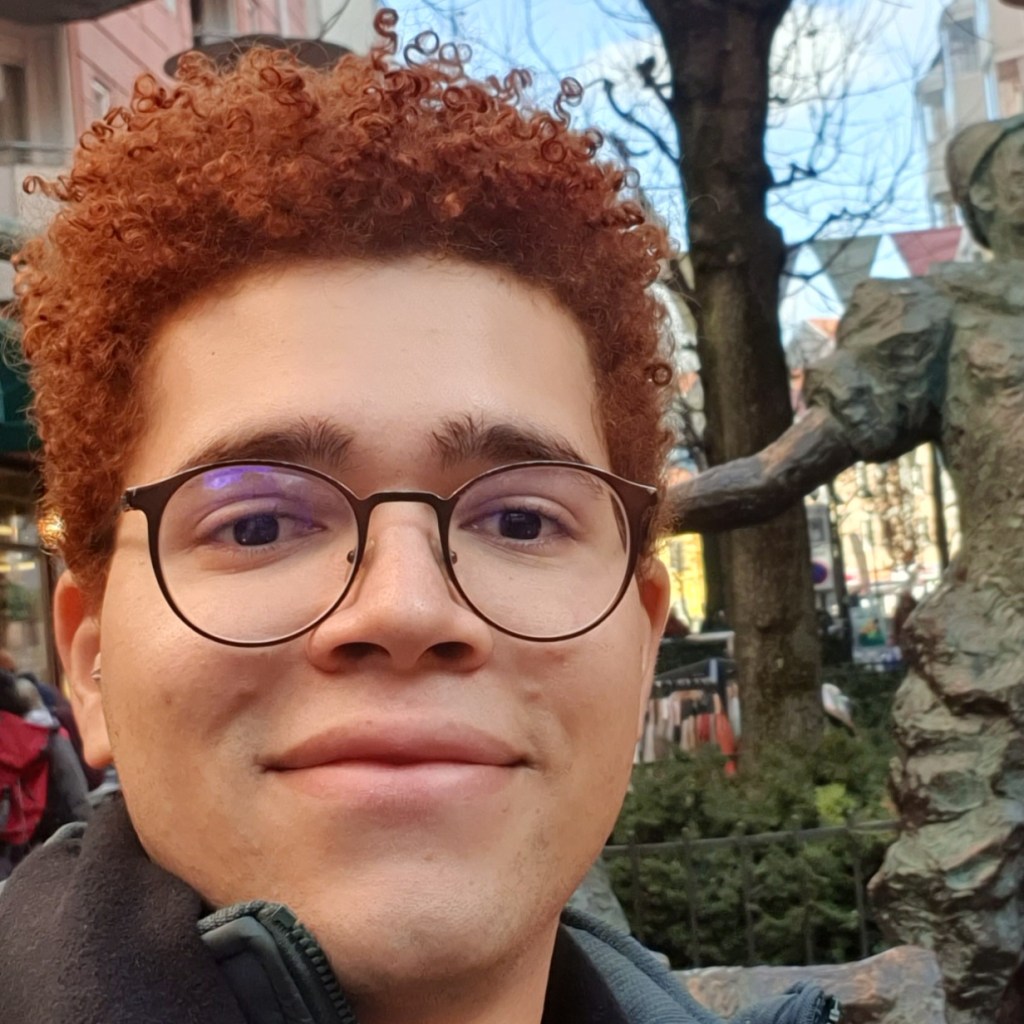
Vinicius Fragoso Luz de Sousa, short-term visiting Student (daily mentor DPhil student Beatriz Escobar Doncel), Centro Universitário de Brasília, Brazil (2024.03)
Email: vinicius.fragoso@sempreceub.com
My name is Vinícius and I am a biology student at Centro Universitário de Brasília (CEUB), Brazil. My main fields of interest are biotechnology, molecular biology, and a little bit of entrepreneurship. I made a short visit to the Fang Lab, while seeing some friends in Oslo, to experience a little bit of the environment in a research laboratory and to get some hands-on training on C. elegans.
Hobbies: In my free time I enjoy cooking desserts, exploring new places, listening to podcasts and spending some time by myself.

Noah Sidali-Wahlstrøm, BCh student, UiO (2024.06 – 2024.07)
Email: noahsw25 [at] icloud.com
Noah is a third-year bachelor’s student in Bioscience at the University of Oslo. He is interested in molecular and biochemical mechanisms that control biological and medically relevant processes, like the anti-aging effects of NAD+ precursors. Noah is working with DPhil student Johannes Frank on how NAD+ precursors affecting aging using the common and powerful model organism C. elegans.
Hobbies: Football, music, and video games.
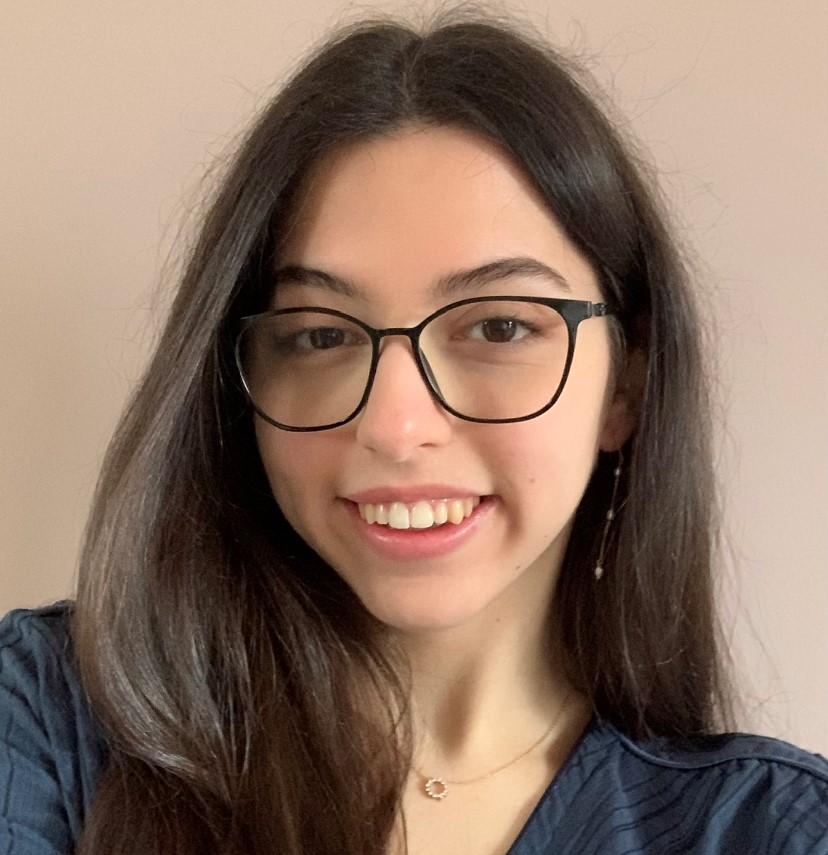
Anastasia Papakosta, medical student (2024.05 – 2024.08)
Email: anastasiapapacosta [at] gmail.com
Anastasia is a third-year medical student in the University College Dublin, Ireland. She has a strong interest in cellular mechanisms of ageing and diseases and the clinical application of such knowledge. She is working with DPhil student Beatriz Escobar Doncel on projects related to NAD+ and sea urchines. She is using the roundworm C. elegans, among other systems, for her projects in the Evandro Fang Laboratory.
Hobbies: baking, swimming, reading, strength training
Nikolai Jensrud Skaar, MSc Student (2022.08-2024.06, Norwegian University of Life Science); Bioengineer (2024.03-present)
Email: nikolai.jensrud.skaar [at] nmbu.no
Nikolai is a second-year master student in Biotechnology with emphasis on Biochemistry. He earned a BSc in Chemistry from the Norwegian University of Life Science in 2021 and has a strong interest in cellular mechanisms and the effects of aging of the eukaryotic organisms. While studying, he worked as a lab technician for the company NABAS where he extracted chicken antibodies for use in vaccines including analysis and preparation. He joined the Fang lab with a great interest to understand the mechanisms and effects of NAD+ on the organism C. elegans.
Hobbies: Guitar, making music, exercise, climbing, and hiking/exploring the nature.

Nina Alaburic, MSc Student (2023.02 – 2024.12)
Email: ninaalaburic01 [at ] gmail.com
Nina is a third year medical student at the University of Oslo who is interested in biology and chemistry. She is especially interested in the fields of evolution, genetics, and genomics, as well as pharmacology and personalised medicine. She will be working with her daily mentor Alexander (Sasha) Anisimov looking into the development of combined drug applications to treat Alzheimer’s disease. She will be using C. elegans as the major model system for her experiments.
Hobbies: Listening to 80’s music, trying new foods, running and drawing.
Caroline Shi-qi Zhang, MSc ( China Medical University, China), DPhil student (2021.05-2025.06)
Email: zhangshiqi5251 [at] outlook.com
Caroline has a Master of Science degree from the China Medical University, China. During this period she did a one-year internship program with Professor Clifford Woolf’s lab at the Harvard Medical School/Boston Children’s Hospital, USA. At Harvard, her research was mainly focused on developing an ALS-associated human motor neuron model of mutant ¬TDP-43 for genome-wide CRISPR screens. In the Fang lab at the University of Oslo (UiO), she is focusing on mechanistic studies of Alzheimer´s disease (AD), with a focus on ApoE4, NAD+, and autophagy/mitophagy. She uses a cross-species approach, covering human iPSC-derived neurons and glial cells, nematodes, mice, and postmortem brain tissue from individuals affected with AD to address related questions. Zhang had her oral defense (viva voce) entitled ‘Fine-tuning the NAD+-UPRmt and the NAD+-circadian axes to slow down Alzheimer’s Disease’ on 11 June 2025.
Hobbies: TV shows, writing.

Aristide Ferrante, exchange PhD student, University of Foggia (2025.01-2025.07, primary mentor Dr. Sofie Lautrup)
Email: aristide.ferrante97 [at] gmail.com
Aristide received his Master’s degree in Medical biotechnologies from the University of Foggia in 2022. He is now a PhD student at the University of Foggia, and his principal research interests include the study of mitochondrial bioenergetics in physiology and disease, using human cell cultures as the main in vitro experimental model. In particular he is studying the interplay between mitochondria and circadian rhythms alterations in Parkinson’s disease, as well as metabolic and circadian disruption in cancer stem cells. He is joining the Fang lab as an exchange PhD student (main mentor Dr. Sofie Lautrup), and is eager to deepen his knowledge on mitochondrial dynamics and mitophagy in Alzheimer’s disease using C. elegans and human iPSCs models.
Hobbies: fencing, running, exercise, listening to music.

Isadora Carneiro Martin, Medical Student (2022-2027), State University of Maringá (UEM), Brazil, Research Exchange Student, IFMSA (2025 summer)
Email: isadorac.martin@yahoo.com.br (personal email) / ra128743@uem.br (academic email)
Isadora Carneiro Martin is a fourth-year medical student at the State University of Maringá (UEM), Brazil. She has been involved in scientific research for the past year through a funded project investigating the anti-inflammatory effects of β-myrcene in a rat model of sepsis. Additionally, she participates in an academic teaching project that involves creating a new chapter of UEM’s Pathology Atlas, focusing on the effects of COVID-19 on the human body. Isadora has a strong interest in neuroscience, neurology, and psychiatry. She has served as Local Officer for Public Health at IFMSA Brazil Maringá and was president of UEM’s Gynecology and Obstetrics Academic League (LAGO). During her stay at the Evandro Fang Lab at the University of Oslo, she aims to contribute to ongoing research, learn new experimental techniques, and deepen her understanding of aging and neurodegenerative diseases.
Hobbies: reading, yoga, hanging out with friends and drink coffee

Mafalda Lemos de Araújo dos Santos Silva, Medical Student (2023–2029), Faculty of Medicine, University of Porto (FMUP), Portugal, Research Exchange Student, IFMSA (2025 summer)
Email: mafas.santos.silva@gmail.com
Mafalda Santos Silva is a Portuguese medical student currently pursuing an Integrated Master’s Degree in Medicine at the Faculty of Medicine, University of Porto (FMUP). As part of the IFMSA Research Exchange Program, she joins the Evandro Fang Laboratory at the University of Oslo in the summer of 2025 to contribute to ongoing research on mitophagy and its role in age-related neurodegenerative diseases. Her academic training has provided her with a solid foundation in neuroanatomy and neurology, as well as practical laboratory experience in genetics, experimental biology, and biochemistry, which have shaped her interest in the molecular mechanisms of ageing, mitochondrial dysfunction, and neurodegeneration. Mafalda is actively involved in both scientific and student-led initiatives. She is a current member of the Organizing Committee for the 20th edition of the YES Meeting – International Biomedical Congress and has represented Portugal at international medical student forums organized by EMSA and IFMSA. She was recently invited to serve as a teaching assistant in Histology and Embryology at the Faculty of Medicine of the University of Porto (FMUP). Passionate about bridging clinical medicine and research, she aims to contribute to translational solutions that improve global health.
Hobbies: Running, weightlifting, surfing, and yoga
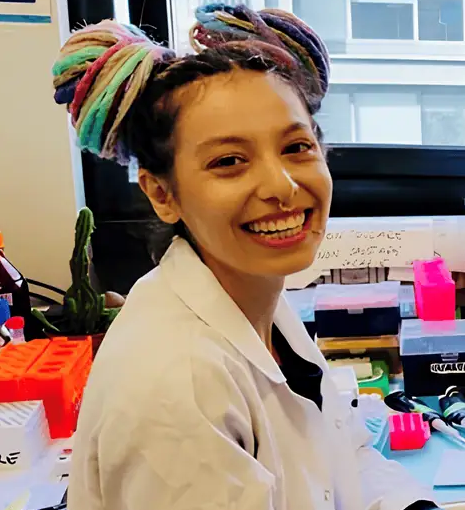
Melisa Emel Ermert, PhD student from Khondrion, The Netherlands; exchange Student (Jan to Feb 2026)
Emails:ermert@khondrion.com; melisaermert@gmail.com
Melisa Emel Ermert is a PhD candidate at Amsterdam University Medical Centers, conducting her research at Khondrion, a clinical-stage biopharma company. Khondrion’s lead compound, sonlicromanol (KH176), is being investigated in adult primary mitochondrial disease (PMD) patients carrying the m.3243A>G mutation in mitochondrial DNA. Melisa’s scientific interest lies in mitochondrial biology and metabolism, particularly in the context of PMDs. Her doctoral project focuses on the therapeutic potential of NAD⁺ precursors and KH176 using PMD-derived fibroblasts as a model system. She applies biochemical and cell culture techniques to study NAD⁺ metabolism under various stress conditions. As a part of the NADIS consortium secondment, Melisa joins the Evandro Fang Laboratory at the University of Oslo to contribute to ongoing research on therapeutic approaches targeting mitochondrial stress in age-related neurodegenerative diseases.
Hobbies: Weightlifting, learning new languages, travelling.
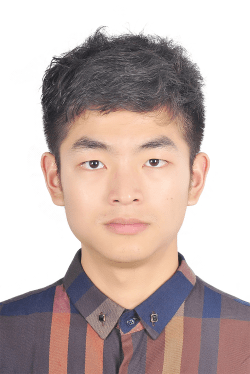
Hai-jun He, MMed, Ph.D candidate (2023.12-present, National and Kapodistrian University of Athens, Greece), visiting Ph.D candidate (2025.09-2026.03)
Email: hehaijun12345@163.com
Hai-jun received his master’s degree in medicine from Wenzhou Medical University, China, in 2023, where he conducted research in the Department of Neurology, the First Affiliated Hospital of Wenzhou Medical University. His work primarily focuses on mitophagy and neurodegeneration, with a particular interest in the role of mitophagy in maintaining neuronal homeostasis and its implications in age-related neurodegenerative disorders, including Alzheimer’s and Parkinson’s diseases. Currently, he is a PhD candidate in the Palikaras laboratory, National and Kapodistrian University of Athens, Greece, where he collaborates with Professor Bergersen at the Institute of Oral Biology, University of Oslo, to study the effects of lactate on mitophagy in Alzheimer’s disease, using mice and C. elegans as model organisms. His PhD project mid-term presentation was entitled ‘Lactate mitigates the phenotype of Alzheimer’s disease through the AMPK-RAB3A signaling pathway to promote mitophagy and synaptic function’ (11 June 2025) at the 10th Mediterranean Neuroscience Society Conference (MNS 2025).
Hobbies: Breaking dance, Taekwondo, Parkour

Tobias Askerød Siem, master student, UiO (2025.01 – present, daily mentor Johannes Frank)
Tobias completed his Bachelor’s degree in Medicine at Atlantis Medical College, it was during this period he has developed a strong interest in genetics and biogerontology. He is currently a Master’s student at the Evandro Fang laboratory under daily supervision of Johannes Frank. Among different projects he is involved in, a major project is in developing more sensitive and reliable NAD+ detection methods.
Hobbies: Reading, cooking, weight lifting, swimming.
 Evandro Fang Lab