
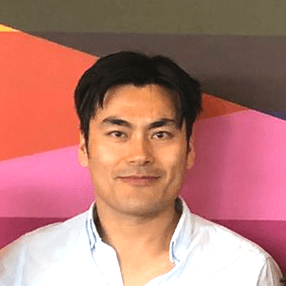
Evandro Fei Fang (Evandro Fei Fang-Stavem) , Ph.D. (CUHK), PI (2017.10-present)
Email: evandrofeifang [at] yahoo.com; e.f.fang [at] medisin.uio.no
Evandro is a molecular gerontologist and runs a research lab aimed at understanding the molecular mechanisms of human aging. His team uses bench-top knowledge to guide the development of novel interventional strategies towards human aging, with a final goal of improving the quality of life in the elderly. He is passionate about teaching and training junior scientists.
Hobbies: Badminton; Soccer; Hiking; Cycling.

Thale Dawn Patrick-Brown, MSc, MIET, PPT, Lab manager (2021.03-)
Email: thale [at] orthrus.no
Thale started her research career last century at the precocious age of 12, when she took up her first post as a summer research assistant, pulling catheters, packing and autoclaving surgical equipment, and assisting with things requiring small fingers. Eventually, she graduated from lower school and obtained an honours degree in Neuroscience studying under the profs who literally wrote the book (Kolb and Whishaw), who likely only remember her as that lass whose senior project proposed a neural network for diagnosis of psychiatrically-relevant changes in the brain using fMRI before such things were computationally possible (she got a D). Thale completed an eye-watering three full undergraduate theses in Foetal Physiology, Aerospace Neurophysiology, and 11-Beta Hydroxysteroid Dehydrogenase Type 1&2 in foetal development respectively. Thale recently published a paper describing a novel statistical methodology for the estimation of prevalence and incidence in rare diseases using Pseudomyxoma peritonei (PMP) as a model. She has undertaken specialist training in gross anatomy and is interested in the role of the HPA axis in physiological activities, including parturition and metastatic disease. Thale is a professional medical project manager and can usually be found staring intently at a computer screen, muttering incoherently about grammar.
Interests: Thale is a licensed race driver and sports therapist, plays polo and is terminally British.
Sofie H. Lautrup, Ph.D. (Aarhus University, Denmark), Senior Postdoc Fellow (2018-present)
Email: s.h.lautrup [at] medisin.uio.no
During her PhD program, Dr Lautrup studied the connections between the DNA repair pathway base excision repair (BER) and cognitive capacity during aging and disease, under the supervision of Associated Professor Tinna Stevnsner at Aarhus University, Denmark. In addition, she has worked with premature aging by characterising two Danish patients suffering from Cockayne Syndrome (MAD 2018). Dr Lautrup also worked in the laboratory of Dr Vilhelm A. Bohr at National Institute on Aging, Baltimore, USA during her PhD programme. At NIA, she examined the effect of treatment with the NAD+ precursor Nicotinamide Riboside (NR) on different Alzheimer’s disease (AD) mouse models, including a DNA repair deficient AD mouse model (PNAS, 2018). Furthermore, she worked on elucidating the effects of treatments with mitophagy-inducing compounds on an AD mouse model. In the Fang laboratory, she is very interested in studying how NAD+ supplementation affects features seen during both normal aging and premature aging including reduced stem cell proliferation and premature senescence. Dr Lautrup utilises fly-models (Drosophila Melanogaster) of the premature aging disorder Werner Syndrome (WS), in addition to C. elegans and human iPSCs, to elucidate how WS patients show reductions of stem cells and how this is related to compromised mitophagy.
Hobbies: Hiking/exploring the nature, being a scout, hanging out with friends/family.
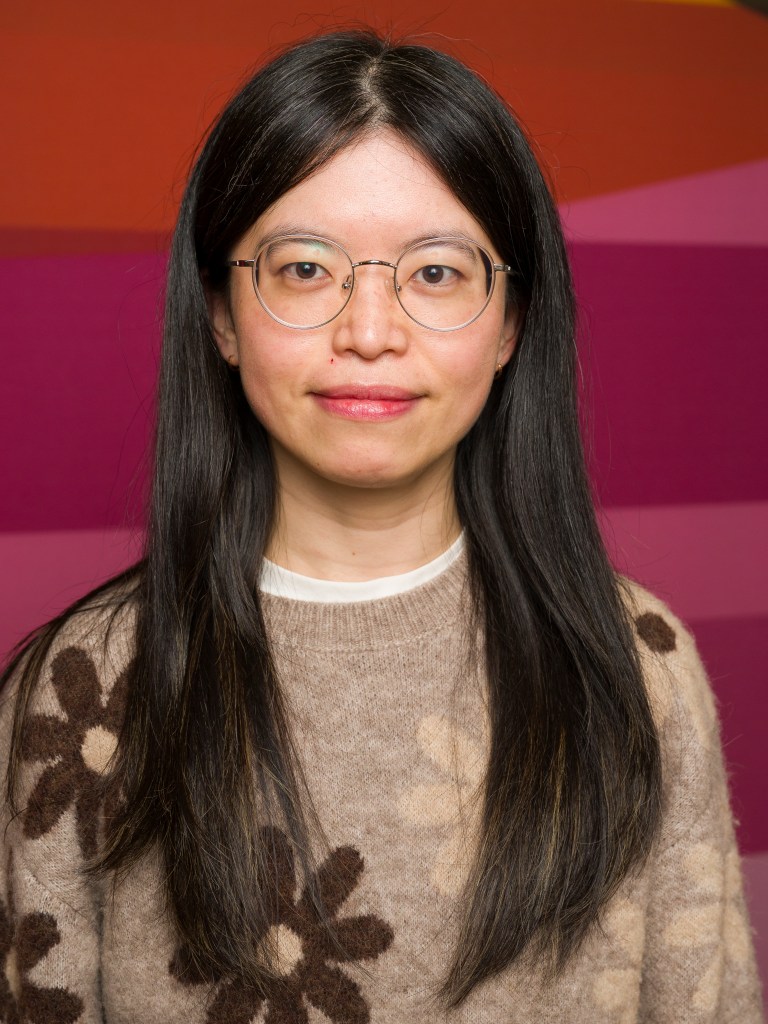
Janet Jian-ying Zhang, Ph.D. (Sun Yat-sen University, China), Postdoc Fellow (2021.02-present)
Email: zhjianying [at] gmail.com
Dr Zhang got her PhD degree in Clinical Science of Stomatology from Sun Yat-sen University, China in 2016. After graduation, she became a licensed dentist in China, while working as a researcher at Central South University. Dr Zhang is fascinated with observing the progression of life from tiny cells up to a well crafted tooth via all kinds of experimental microscopies as well as her favorite dental operating microscope. In the Fang lab, Dr Zhang is devoted to unveiling the causes of delirium and how it progresses to Alzheimer’s disease via examination of several possible molecular mechanisms. She was the 2026 recipient of the prestigious nasjonalforeningen for folkehelsen postdoc fellowship.
Hobbies: Travel, gourmet lover, work out
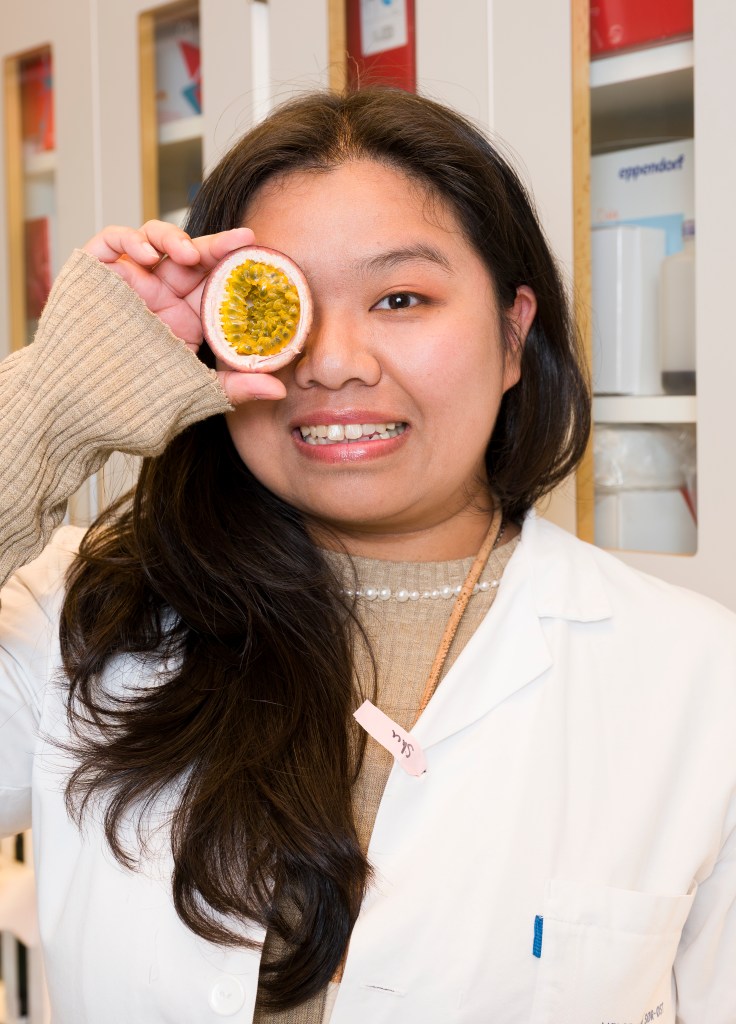
Shuqin Cao, visiting Ph.D candidate (2020.02-2022.01), Postdoc Fellow (2022.02-present)
Email: queenaqin27 [at] gmail.com
Shu holds a bachelor degree from The University of Malaya, Malaysia, and did a PhD programme in Clinical Biochemistry and Molecular Medicine at the Chulalongkorn University, Thailand. She was working as a visiting student in the Fang lab (UiO) from Feb 2020 to Jan 2022 and finished her PhD thesis in the Fang lab and defended her PhD in Oslo via zoom. Her PhD project was focused on the identification of potential anti-AD drug candidates from natural molecules isolated from Thai medicine. In her postdoc programme, she is continuing in depth characterization of a few novel mitophagy inducers she has identified during her PhD period. She is also working on NAD+ and TFEB in AD. She was the 2025 recipient of the prestigious nasjonalforeningen for folkehelsen postdoc fellowship (3.0 million NOK). Cao had her oral defense (viva voce) entitled ‘Neuroprotective effects of Passiflora Edulis Sims against amyloid beta-induced neurotoxicity’ in 2021 in the Fang Lab (zoom to Chulalongkorn University).
Hobbies: Exploring the world, Snorkelling, Hiking, Yoga, Belly dance
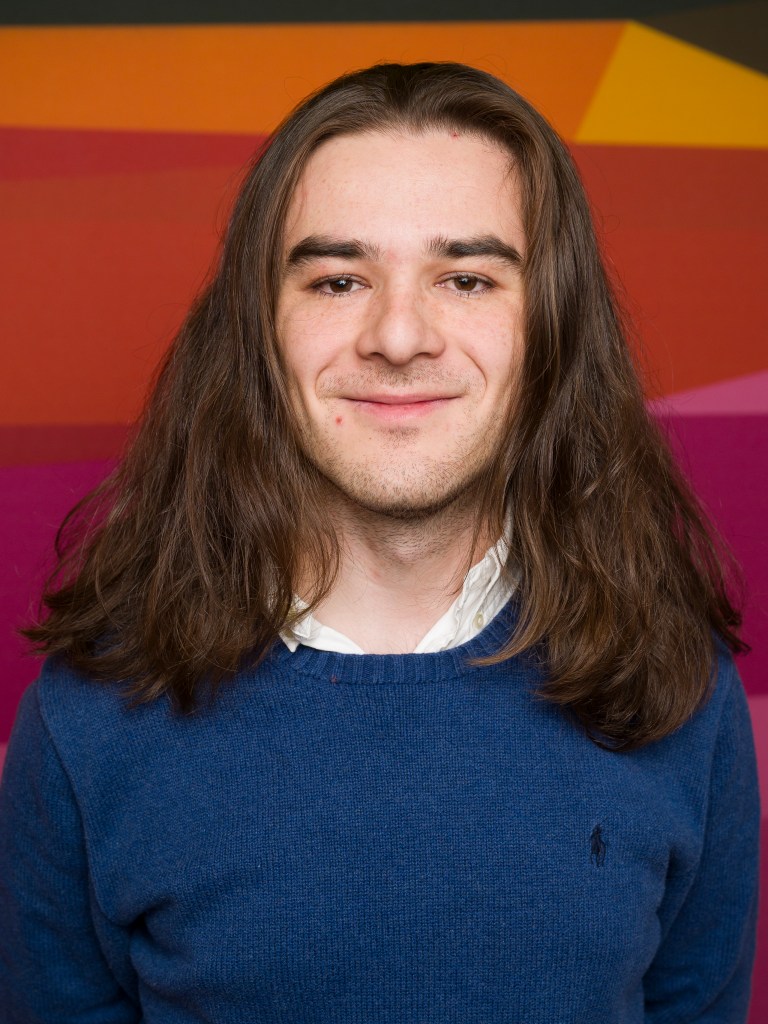
Tomás Schmauck-Medina, MSc Neuroscience (UCL, UK), Lab engineer (2020.10-2021.03), DPhil student (2021.04-2025.05), Postdoc Fellow (2025.06-present)
Email: tschmauck [at] gmail.com
Tomás is interested in the mechanisms of ageing and age-related neurodegenerative diseases. After his bachelor degree in Biomedicine he went to University College London (UCL) to study Neuroscience and worked on ageing in the laboratory of Professor Dame Linda Partridge. At UCL, he studied the neuroprotective role of GADD45 in ALS. In the Fang laboratory at the University of Oslo (UiO), he is interested in the mechanisms of ageing, autophagy, mitophagy, and how they impact neurodegeneration, with a focus on Alzheimer’s disease. He is using C. elegans, mice, and iPSCs in combination with CRISPR and confocal microscopy techniques to address related questions. Schmauck-Medina had his oral defense (viva voce) entitled ‘ATG-18/WIPI2, NAD+, and fasting converge through autophagy in healthy ageing and Alzheimer’s disease’ on 29 April 2025.
Hobbies: Writing, debating, real-time strategy games
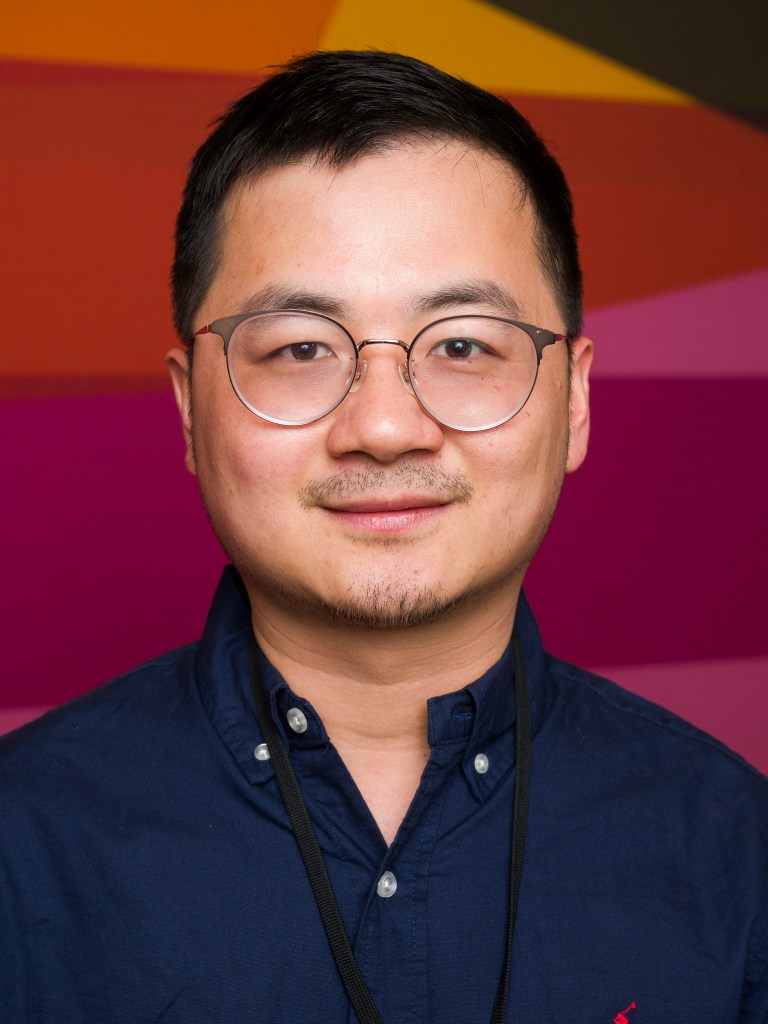
Junping Pan, PhD (Jinan University, China), Postdoc Fellow (2022.09 – present)
Email: panjunpingjnu319 [at] 163.com
Junping obtained his Master’s degree from the Neuropharmacology Department of Jinan University under the supervision of Professor Huanmin Luo in 2018. He is mainly engaged in research on how methyl 3,4-dihydroxybenzoate induces neural stem cells to differentiate into cholinergic neurons in vitro. Junping worked in the Neurosurgery Department of Guangdong Women and Children’s Medical Center in 2019. He received doctoral degree in immunology from the School of Basic Medical Sciences, Jinan University under the supervision of Professor Guobing Chen and Evandro F. Fang in 2022. His PhD project was focused on ULK1 abrogation of memory loss and pathologies in 5XFAD and hTau.P301S murine models of Alzheimer’s disease. In his postdoc programme, he is continuing to study the mechanics of ULK1 in AD and the role of ULK1 in healthy aging. He is also studying the role of traditional Chinese medicine in inducing mitophagy to improve AD. Pan had his oral defense (viva voce) entitled ‘ULK1 improves learning and memory impairment in Alzheimer’s disease and its mechanism’ in 2022. He was the 2024 recipient of the prestigious nasjonalforeningen for folkehelsen postdoc fellowship.
Hobbies: Hiking, boxing, swimming, gourmet cooking.

Alice Ruixue Ai, former Fang lab Dr. Philos. (Doctor Philosophiae) (2021.05-2023.09); Postdoc Fellow (2023.10-present)
Email: ruixue.ai [at] outlook.com
Alice Ruixue Ai studied in oral medicine from Sichuan University, China. During her Masters period, she investigated microenvironmental regulation of the progression of potentially malignant oral disorders towards malignancy; she published four papers in international peer-reviewed journals during this time. With the Fang lab and their collaborators, she is applying artificial intelligence to the screening and designing of drug candidates for ageing and Alzheimer’s disease. She is also very interested in studying the role of mRNA splicing in NAD+-mitophagy axis and age-dependent mitophagy changes in AD. Ai had her oral defense (viva voce) entitled ‘Novel mechanisms of NAD+-dependent inhibition of Alzheimer’s disease and AI-based technologies in related mechanistic studies and drug discovery’ on 25 September 2023.
Hobbies: Traditional Chinese painting and yoga.
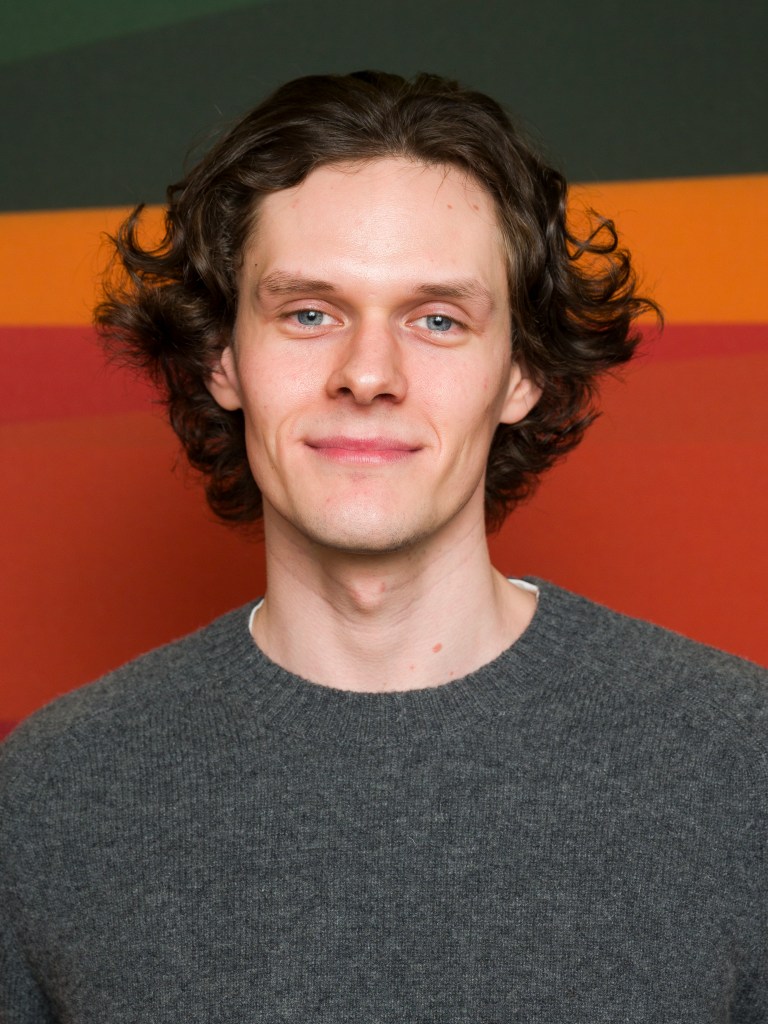
Alexander (Sasha) Anisimov, MSc (Saint Petersburg State University, Russia), DPhil student (2021.09-present)
Email: sasha.anisimof [at] yandex.ru; alexander.anisimov1997 [at] gmail.com
Alexander (Sasha) Anisimov received his Master’s degree from Saint Petersburg State University, Russia, working with the Institute of Cytology of the Russian Academy of Sciences in the cell stress mechanisms laboratory. Alexander investigated the role of HSP70 protein in AD and worked on the study of the effectiveness of inducers of heat shock proteins and the modification of these compounds. He is interested in studying the mechanisms of protein homeostasis and its decline in aging, autophagy and mitophagy deficits in AD. He is also interested in the development of new therapeutic strategies for Alzheimer’s disease and the search for potential neuroprotective agents..
Hobbies: My own project: https://campion.ai, running, chess.
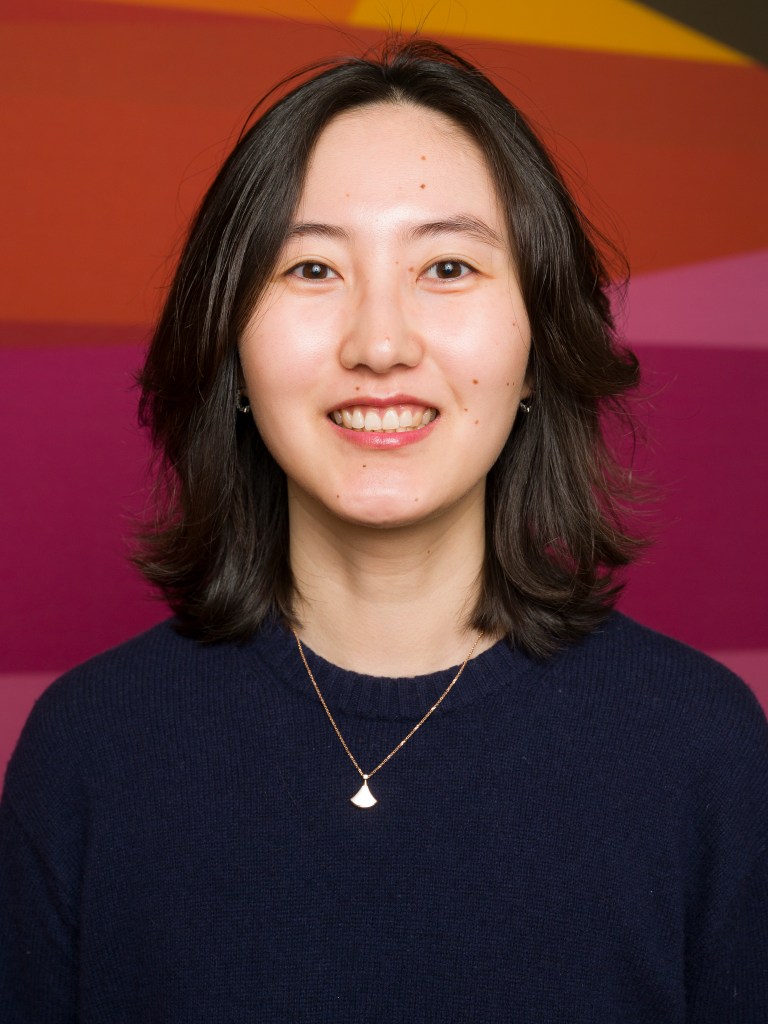
He-Ling Wang, MDS, DDS, former Fang Lab DPhil student (2020.11-2024.11); Postdoc Fellow (2024.11-present)
Email: helingwang.med [at] gmail.com
He-Ling Wang holds a Bachelor’s degree in Medicine and a Masters degree in Oral Medicine from Jilin University, China. During her Masters, she completed a one-year internship program at Okayama University, Japan, where she received training in microbiota, focusing her research mainly on microbiota related-diseases. In the Fang lab at the University of Oslo (UiO), she is focusing on mechanistic studies of Alzheimer´s disease (AD), with focus on ApoE4, NAD+, and autophagy/mitophagy. She will also conduct research on microbiota and AD to address related questions. Wang had her oral defense (viva voce) entitled ‘Pharmacological and behavioural interventions to slow down Alzheimer’s disease: Focusing on mitochondrial quality control at molecular level’ on 20 November 2024. She was the 2025 recipient of the prestigious nasjonalforeningen for folkehelsen postdoc fellowship (3.0 million NOK).
Hobbies: Documentary, swimming,gourmet
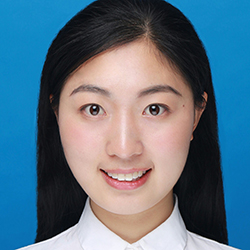
Ping-Jie Wang, MSc, DPhil student, ZhengZhou University (2021.09 – co-mentored with Prof. Guo-bing Chen)
Email: wpj0405 [at] 163.com
Ping-jie received her Master’s degree in Neurobiology from Jinan University’s Guangdong-Hong Kong-Macao Institute of Central Nervous System (CNS) Regeneration (GHMICR) under Professor Kwok-Fai So. She is mainly engaged in research on the mechanism of adiponectin-mediated exercise to improve symptoms of depression. She is very interested in the mechanism of neurodegenerative diseases, and is carrying out her PhD project in the Fang laboratory, where she will mainly study the mechanism of Alzheimer’s disease, focusing on ULK1, NAD+ and mitophagy. Wang had her oral defense (viva voce) entitled ‘自噬激酶ULK1对衰老及其相关疾病的影响研究 (Roles of ULK1 in ageing and related diseases)’ on 17 May 2025.
Hobbies: Hiking, jogging, yoga.

Sifang Liao, Ph.D. (Stockholm University), Postdoc Fellow (2022.11-present)
Email: sifang.liao [at ]medisin.uio.no
Sifang obtained his doctoral degree from the Zoology Department of Stockholm University under the supervision of professor Dick Nässel in 2018. During his Ph.D. studies, he became interested in examining the role of insulin signaling pathways and environmental conditions on aging in the fruit fly, Drosophila melanogaster. After his doctorate, he worked as a postdoc in the Department of Neuroscience, Functional Pharmacology, Uppsala University, under the supervision of Helgi Schiöth for two years. There he studied the effects of environmental pollutants on neuroendocrine function. As a researcher, he worked in Tor Erick’s lab to screen tumor microenvironment factors affecting tumor growth. Currently, he is a postdoc in the Fang laboratory, where he collaborates with Professor Nilsson at the Karolinska Institute, Sweden, to study the effects of mitophagy on inflammation in Alzheimer’s disease, with mice as the model organism.
Hobbies: Badminton, Ping-Pong, swimming, hiking.
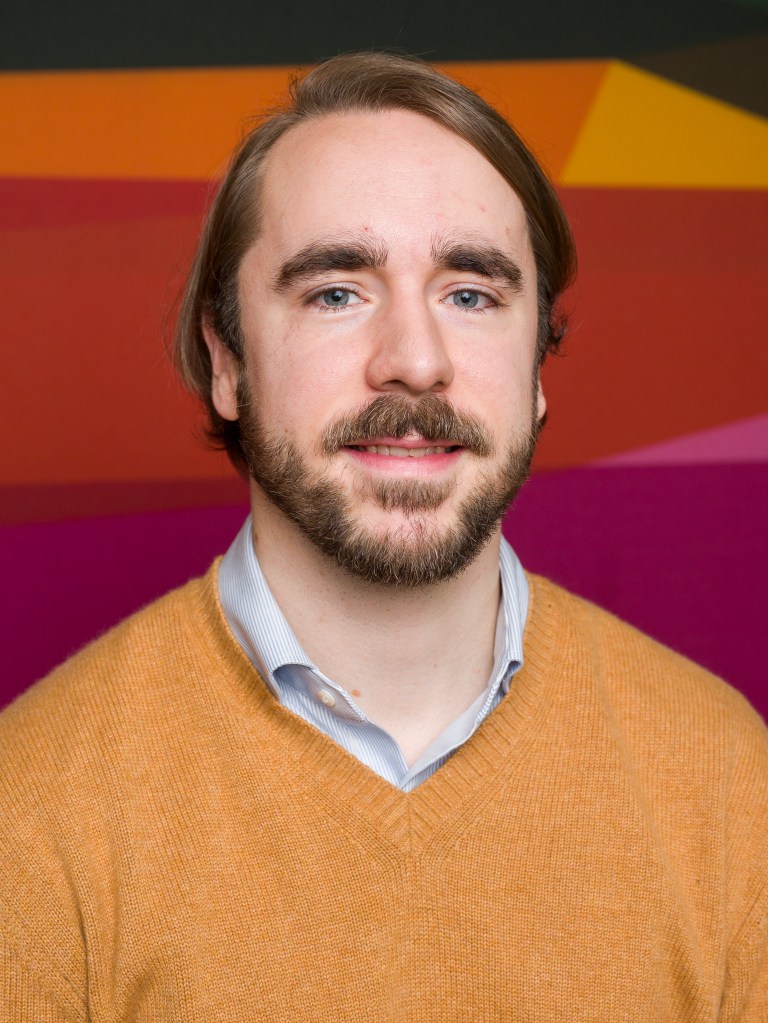
Johannes Frank, ERASMUS student in the Fang lab (2019.06-2020.01), MSc (2020.09-2023.08 student at the University of Vienna), DPhil student (2023.09 – present)
Email: jfrank0990 [at] gmail.com
Mr. Johannes Frank was an exchange student at the Fang lab for his bachelor’s degree at the University of Applied Sciences in Krems, Austria. He wrote his bachelor’s thesis about research undertaken during his six months internship in the Fang group. During his internship he was involved in studying the anti-aging effect of NAD+ precursors and mitophagy inducers on premature aging, especially in Werner syndrome, using the model organisms Drosophila melanogaster and C. elegans. Currently he is taking a master’s degree in Molecular Biology with a major in Neuroscience at the University of Vienna, Austria. Besides his Master Program, he is working on a collaborative project in the Zimmer Group at the Research Institute of Molecular Pathology in Vienna. For this Project he analyses the sleeping behavior of C. elegans Alzheimer’s models.
Hobbies: skiing, fencing, weight training.
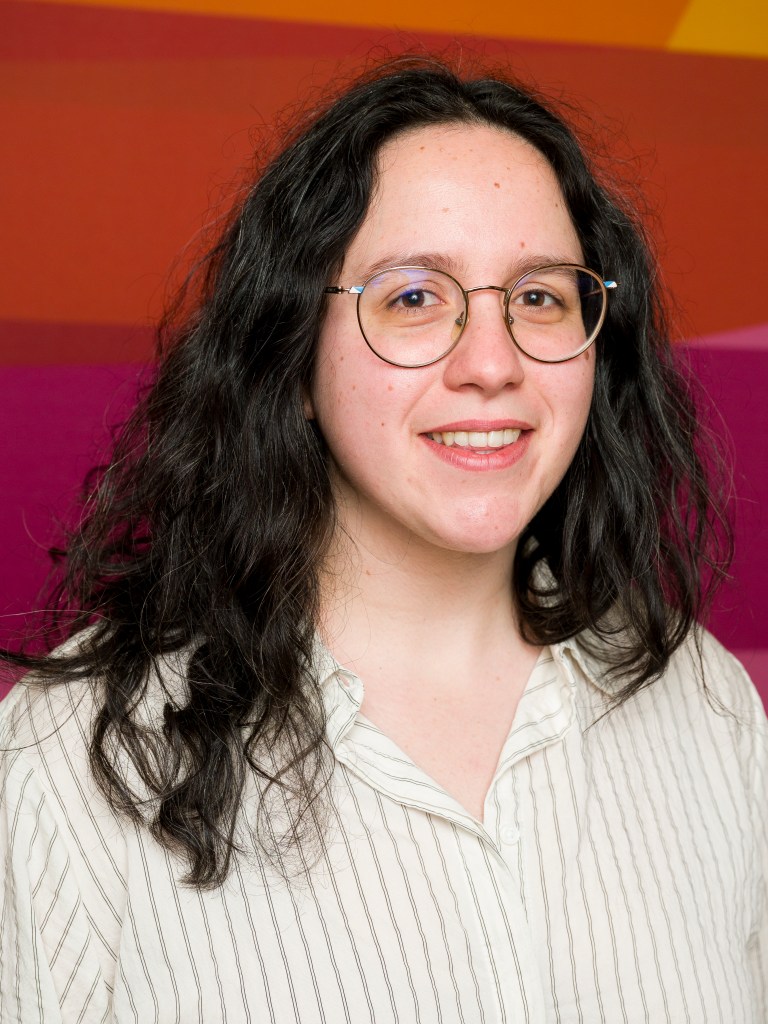
Beatriz Escobar Doncel, DPhil student, UiO (2023.10-present)
Email: escobardoncel.beatriz [at] gmail.com
Beatriz got her bachelor degree in “Health Biology” at the University of Alcalá (UAH) in Spain, where she learnt the best of medicine and biology together. In those years, she did several internships to learn about neurodegenerative and cardiovascular diseases in the aging field. She had just finished her MSc in “Therapeutic Targets in Cell Signaling: Research and Development”. Thanks to that she has been studying the proteostasis modifications in a premature aging disease called Hutchinson-Gilford Progeria Syndrome (HGPS). During her studies, she has dreamt about researching aging to unravel the molecular mechanisms of this process and make people have a better quality of life. She is doing a PhD in the Fang lab on mechanisms of ageing and Alzheimer’s disease, and is actively involved in the development of drug candidates against Alzheimer’s disease and in prompting healthy ageing.
Hobbies: cooking, basketball, reading, series and traveling.
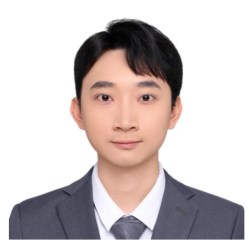
Jun-yu Tan, DPhil student, Jinan University (Guang-zhou), China (2024.09 – present, Primary mentor Prof. Guo-bing Chen)
Email: junyutan94 [at] 163.com
Jun-yu obtained his Master’s degree in Pathology and Pathophysiology from Shantou University Medical College in 2020, with a research focus on the molecular mechanisms of breast cancer invasion and metastasis. In 2020, he worked in the Department of Laboratory Medicine and Central Laboratory at the Third People’s Hospital of Huizhou City. He is currently pursuing his PhD in Basic Medical Sciences at Jinan University as a joint PhD student under the supervision of Prof. Guo-bing Chen and Prof. Evandro F. Fang, focusing on the mechanisms of and interventions against Alzheimer’s disease, particularly on fasting (TRF/CR), neuro-immune interactions, ApoE4, NAD+, and autophagy/lipophagy.
Hobbies: Ping-Pong, Badminton

Beatriz Perez Piccolo, MSc student, FMRP-USP, Brazil (2026.04–present)
Email: bepiccolo@usp.br
Beatriz graduated in 2024 with a degree in Biological Sciences from the University of São Paulo (USP), Brazil. As an undergraduate, under the supervision of Prof. Dr. Wagner Ferreira dos Santos, she investigated the bioactivity of the South American spider Parawixia bistriata venom, focusing on its potential neuroprotective effects. She also joined the laboratory of Prof. Dr. Tara Pukala at the University of Adelaide, Australia, where she studied the anti-amyloid properties of venom-derived compounds. Currently, Beatriz is pursuing a Master’s degree in Biochemistry at the Ribeirão Preto Medical School (FMRP-USP), studying the effects of spider venom derivatives in Alzheimer’s disease (AD) models. As a visiting researcher in the Evandro Fang Lab at the University of Oslo, she aims to deepen her understanding of ageing and AD mechanisms, contribute to ongoing projects, and integrate these insights into her Master’s project. She is passionate about neuroscience and the medical applications of natural compounds.
Hobbies: yoga, horse riding, exploring nature – and collecting spiders.
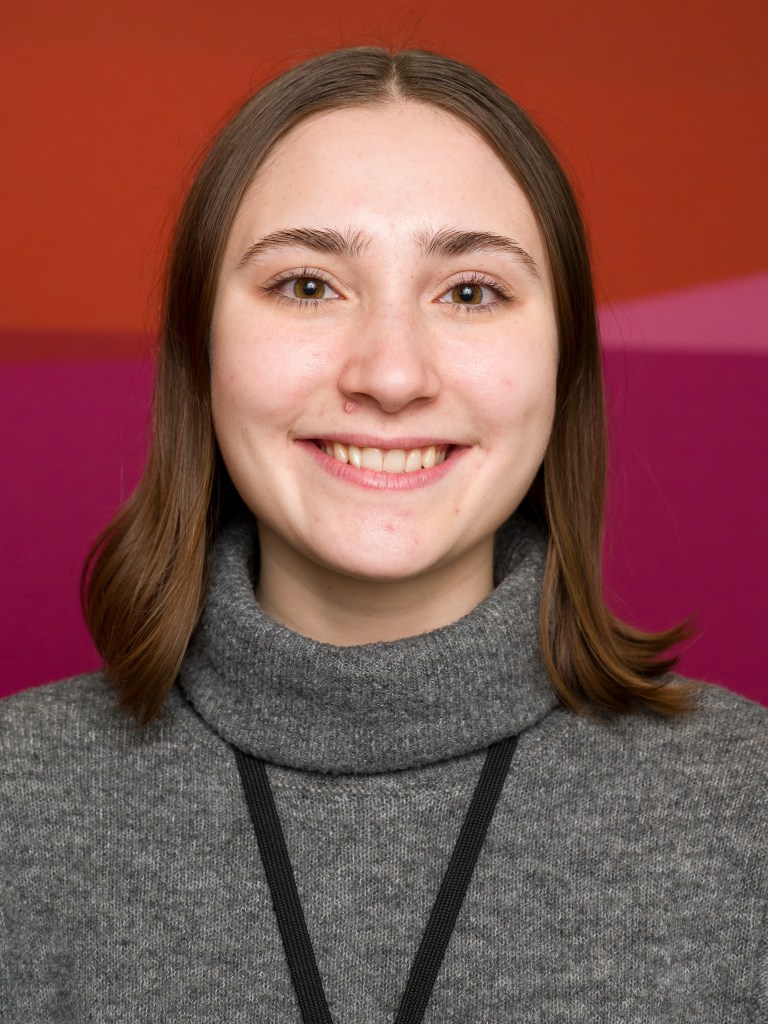
Sofie Mielenz, BSc student, OsloMet, Norway (2026.01-present)
Email: somie4553@oslomet.no
In 2023, Sofie commenced her journey in the field of Biotechnology and Applied Chemistry, at the Oslo Metropolitan University (OsloMet), Norway. After graduating high school with a focal point on natural sciences, she aimed to develop a genuine understanding for the elements of life: chemistry. Alongside her studies, Sofie is working as a student-mentor for the National Centre for Science Recruitment (ENT3R), tutored General Chemistry and engaged in various voluntary works, e.g. International Buddy Week. Her bachelor thesis is hosted by the Evandro Fang Laboratory at the University of Oslo, with daily mentor PhD candidate Beatriz Escobar Doncel. At Epigen, she is aspiring to dive into the molecular mechanisms of human aging and working with C. elegans. She is passionate about language learning (English, German, and French) and thrives in international environments.
Hobbies: Backpacking; classical music; tea
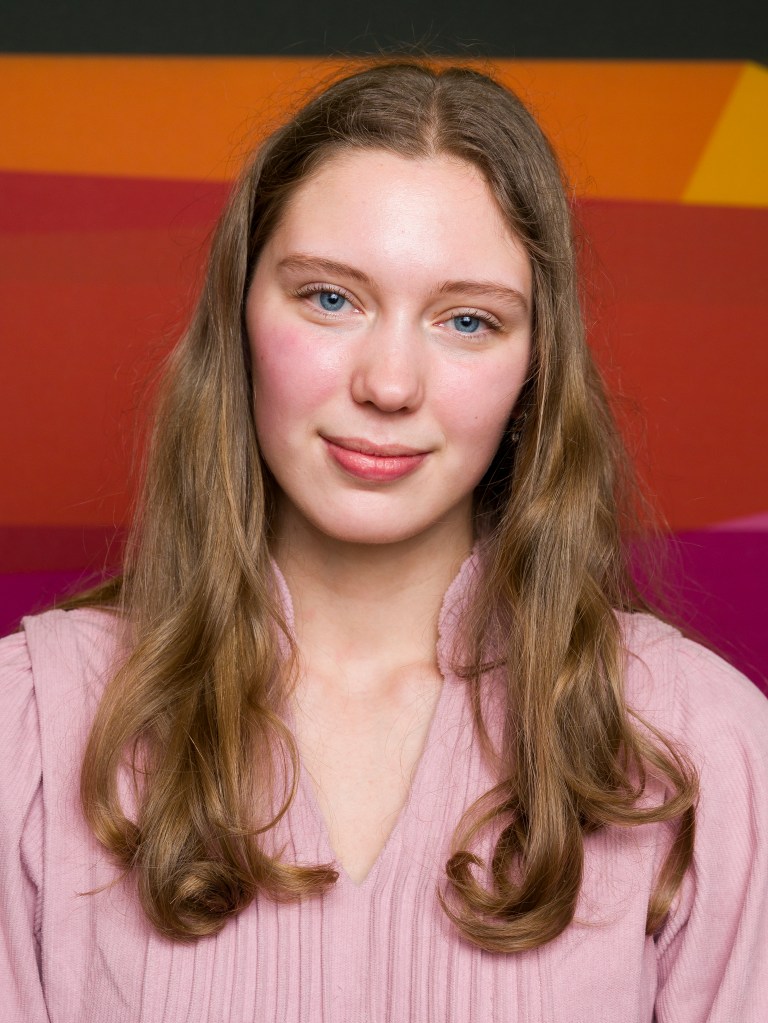
Ingrid Flatåker, Bachelor`s student, OsloMet, Norway (2026-present)
Email: ingridmhf7@gmail.com
Ingrid started her Bachelor´s degree in Biotechnology and Chemical Engineering at Oslo Metropolitan University (OsloMet) in 2023. Her bachelor thesis will be hosted by the Evandro Fang Laboratory at the University of Oslo, where she will be mentored by Beatriz Escobar-Doncel. She will be working with C. elegans as a model organism to study the molecular mechanisms of aging and dementia. She is interested in understanding how biological processes contribute to age-related diseases, and how this knowledge can help promote healthier ageing. She is passionate about molecular biology and motivated by the potential to contribute to medical advances.
Hobbies: Hiking, piano and skiing

Yu-Han Chen, DPhil student, Jinan University (Guang-zhou), China (2025.09 – present, co-mentored with Prof. Guo-bing Chen)
Email:chenyu22900442@163.com
Yu-Han Chen was awarded a Master of Medical Science degree from Yunnan University of Chinese Medicine in 2025. Her research focused on the immunomodulatory molecular mechanisms of Cepharanthine in treating pancreatic cancer. Currently, she is pursuing her PhD in Basic Medical Sciences as a joint PhD candidate at the School of Basic Medicine, Jinan University, under the supervision of Prof. Guo-bing Chen and Prof. Evandro F. Fang. Her primary research focus encompasses the mechanisms of and interventions against Alzheimer’s disease, particularly caloric restriction (CR), neuro-immune interactions, ApoE4, NAD+, and autophagy/lipophagy.
Hobbies: piano, badminton, travel, and reading
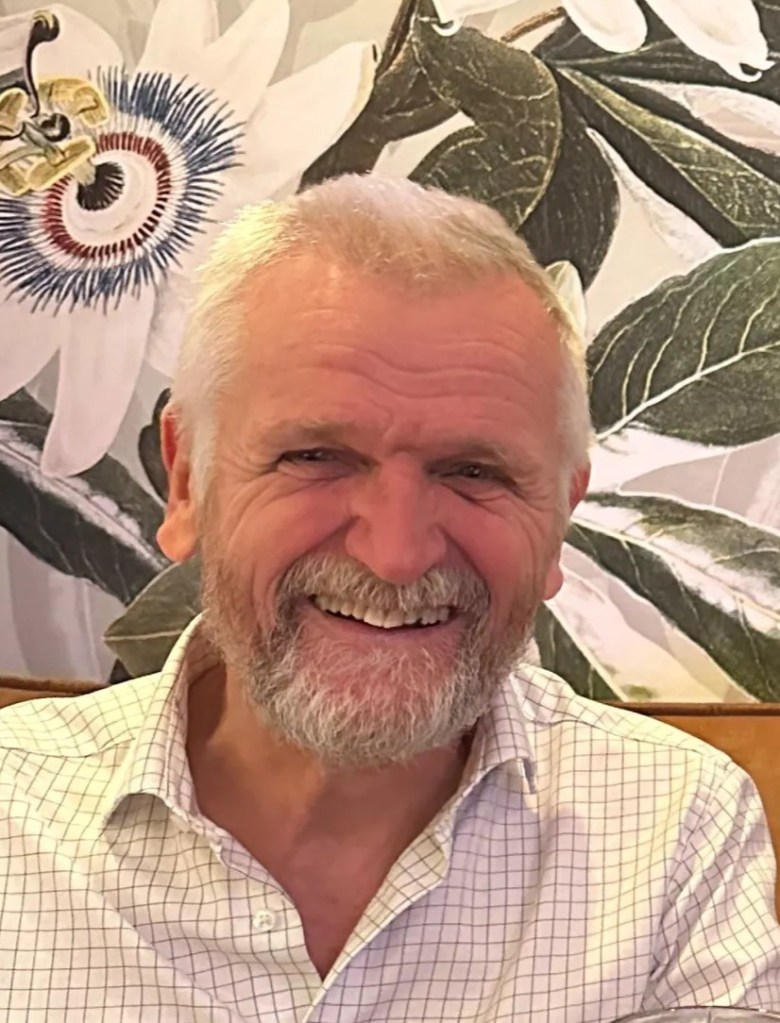
Ole Peter Nordby, MSc student, UiO , (2026.4 – present)
Email: olepno@student.ibv.uio.no
Ole Peter Nordby holds degrees in theology from the University of Oslo (UiO) and economics from the BI Norwegian Business School. Currently, he is a Master’s student in the Cell Biology, Physiology, and Neuroscience programme offered by the Department of Biosciences of UiO. In his Master’s thesis, Ole will investigate how glycations damage mitochondrial function using C. elegans as a model organism. He aims to determine whether this damage can be mitigated by inducing mitophagy through interventions with Urolithin A and NAD+. Glycation damage occurs when sugars and/or reactive dicarbonyls react with the amino acid residues lysine (K) and arginine (R), leading to irreversible adducts and cross-links. The accumulation of these modifications is linked to a range of age-related diseases, including late-stage diabetes complications and neurodegenerative disorders, positioning glycation as a critical factor in the aging process. Ole’s research holds the potential to shed light on therapeutic interventions that could alleviate mitochondrial dysfunction, providing avenues for addressing age-related health challenges.
Hobbies: Reading and writing local history and maintaining a community garden with its hut.
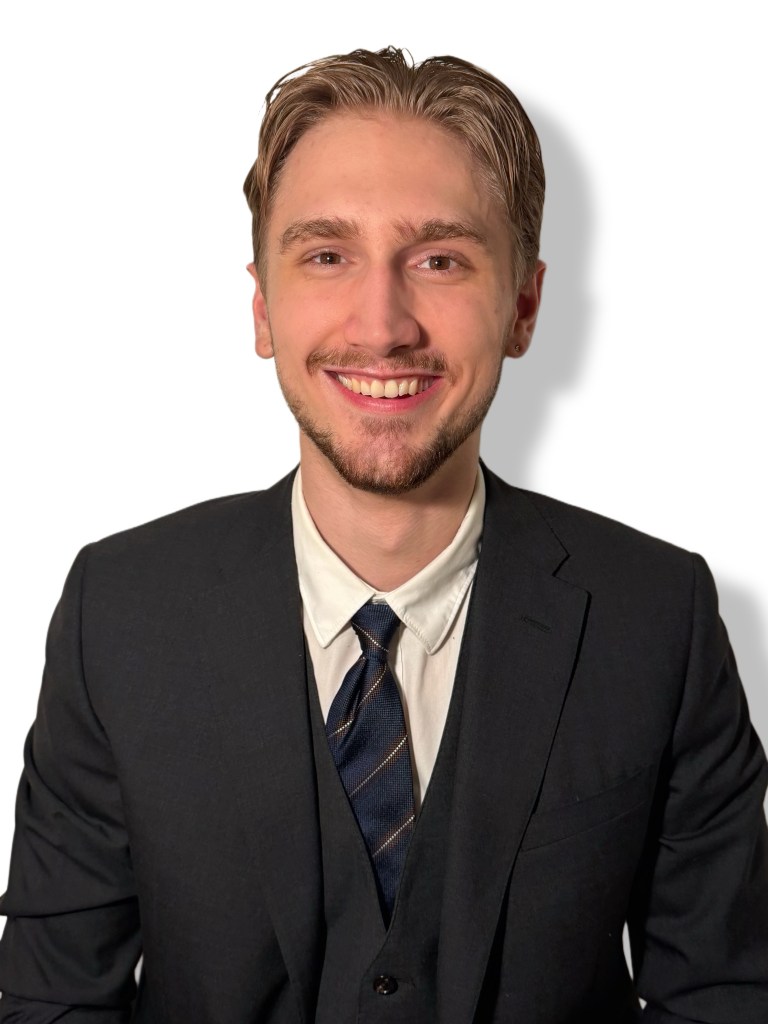
Alexander D. Carlsson, master’s student, Lund University, Sweden (2026.04-present)
Email: al0436ca-s@student.lu.se
Alexander encountered age-related diseases at a young age with a grandma with Alzheimer’s Disease (AD) and a grandpa with very severe osteoarthritis. Wanting to free the world of such age-related ailments, he decided at age 12 to devote his life to understanding the biological processes behind ageing and how to reverse it. Following this path, he graduated in 2025 from Lund University with a bachelor’s degree in biomedicine, having worked in labs during his bachelor’s that focused both on the prion-like propagation of amyloid beta in AD under Prof. Dr. Gunnar Gouras and epigenetic rejuvenation in fibroblasts using reprogramming factors under Dr. Henrik Ahlenius. Currently, Alexander is pursuing a master’s degree in biomedicine at Lund University. In the Fang Lab of the University of Oslo, Alexander is deepening his knowledge in the field of molecular ageing and brain resilience by working on the underlying molecular mechanisms under the supervision of Dr. He-Ling Wang.
Hobbies: Carpentry; DIY; triathlon training; cooking; weightlifting
 Evandro Fang Lab