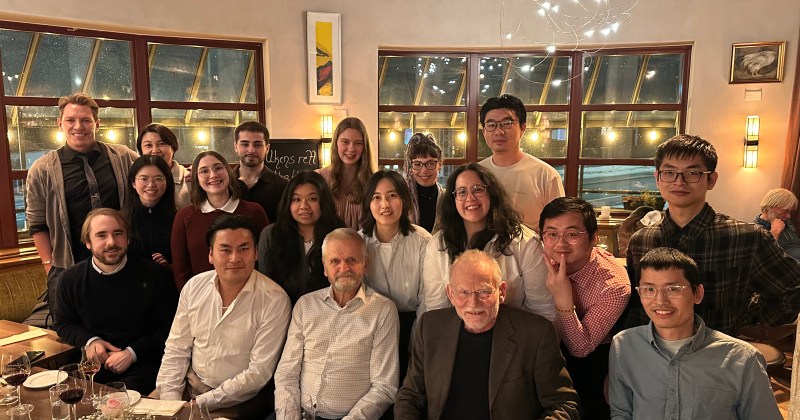
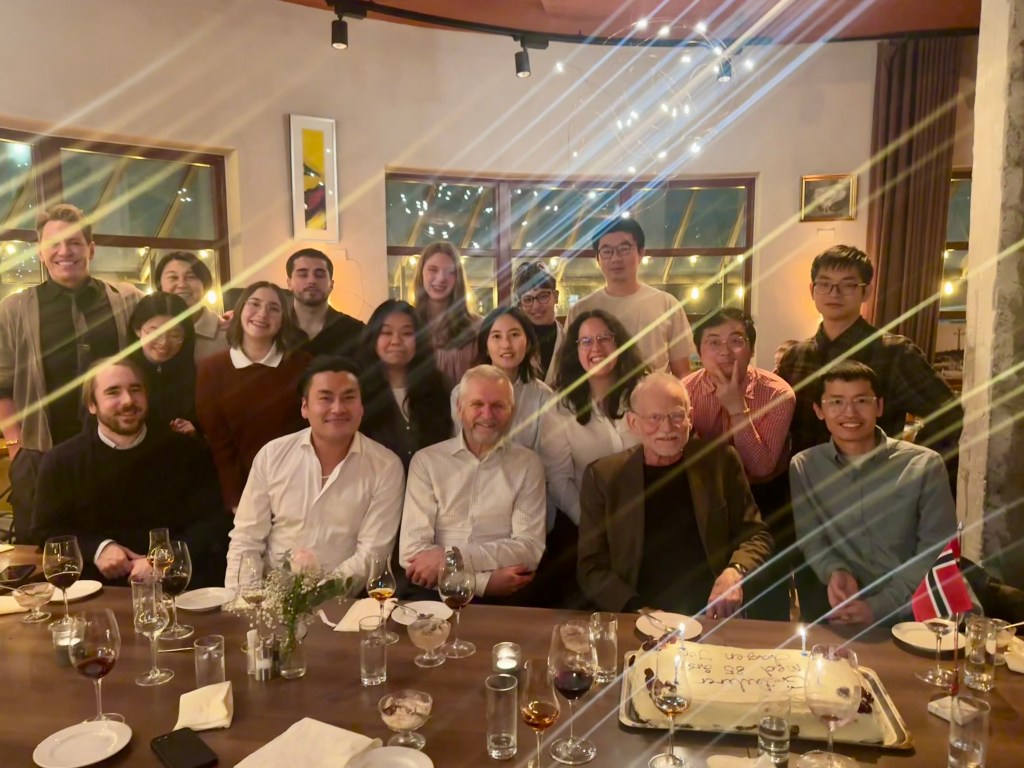
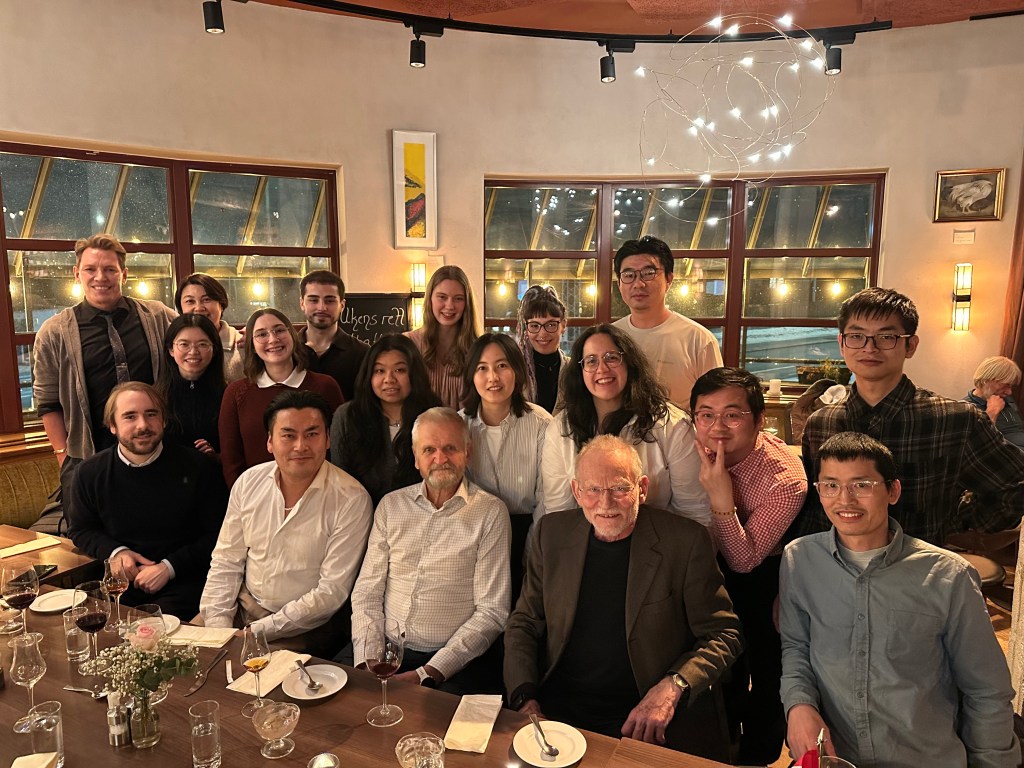
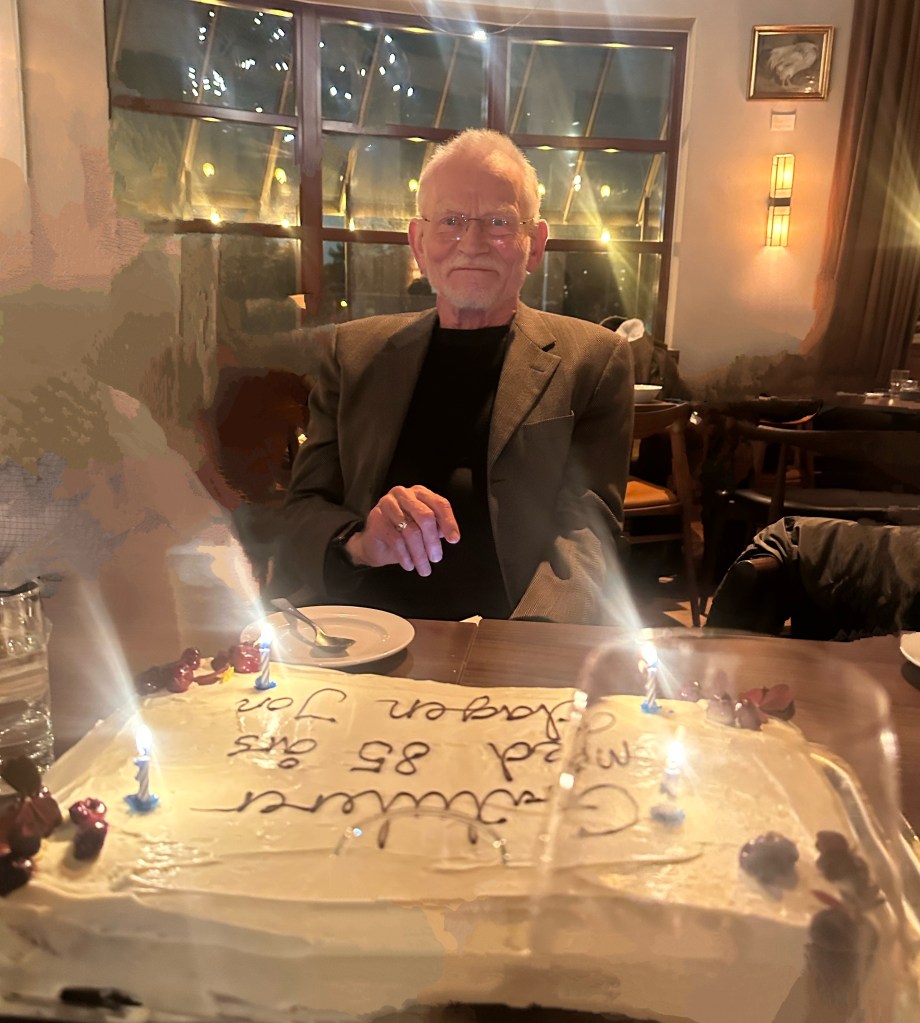
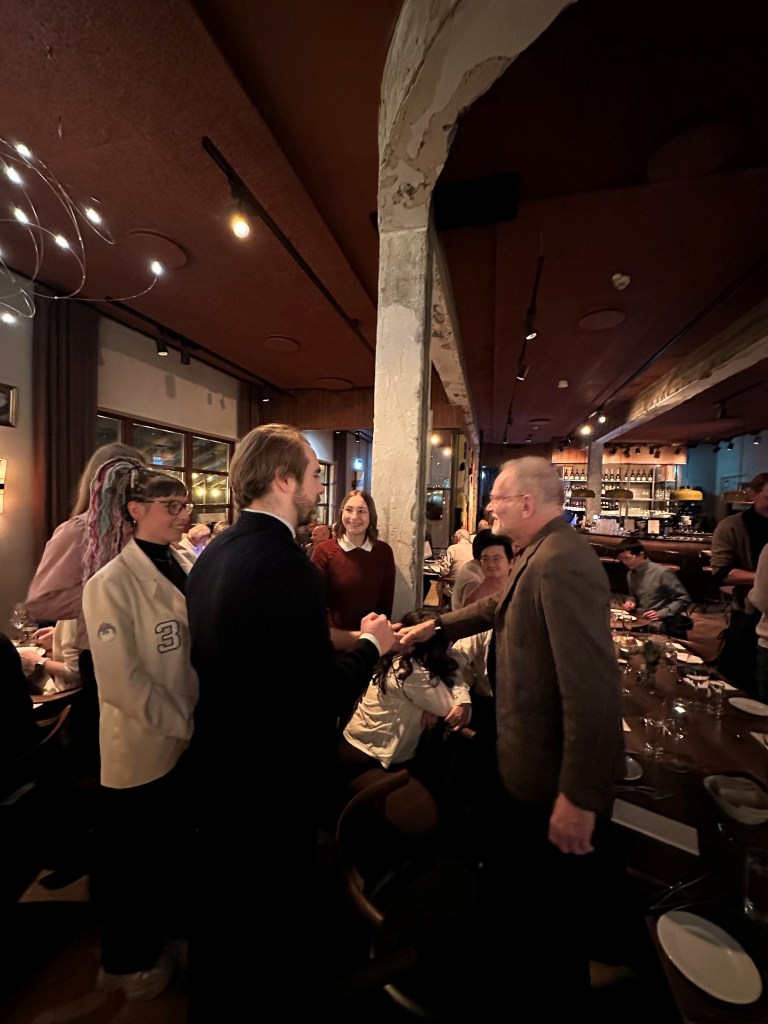
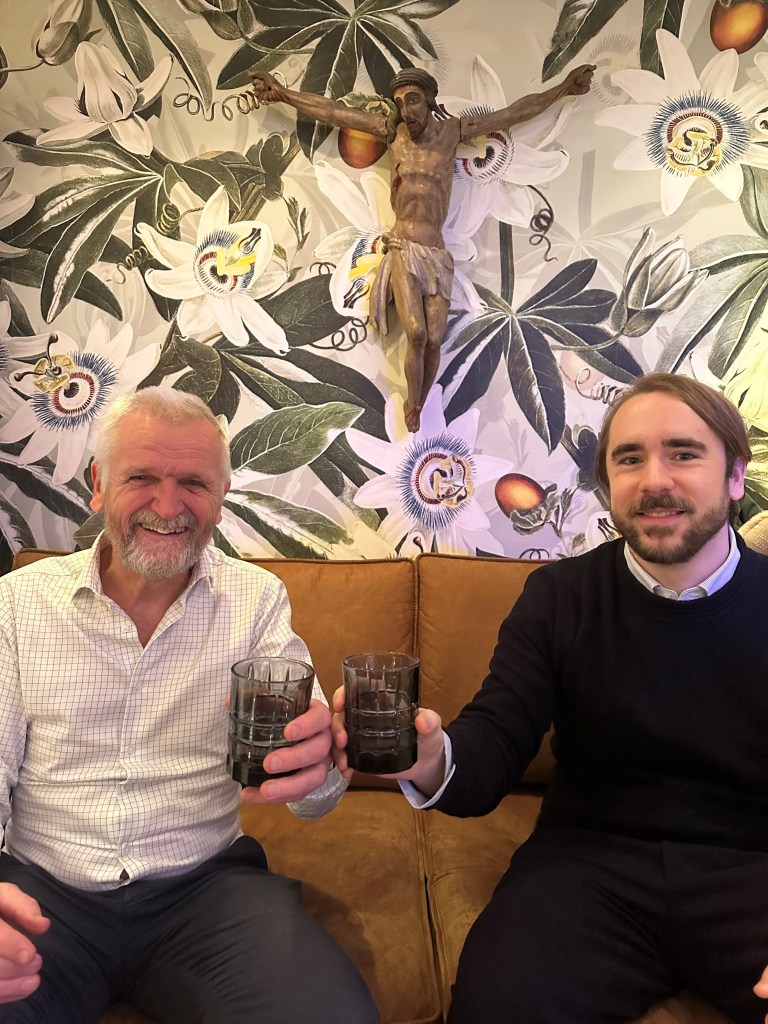
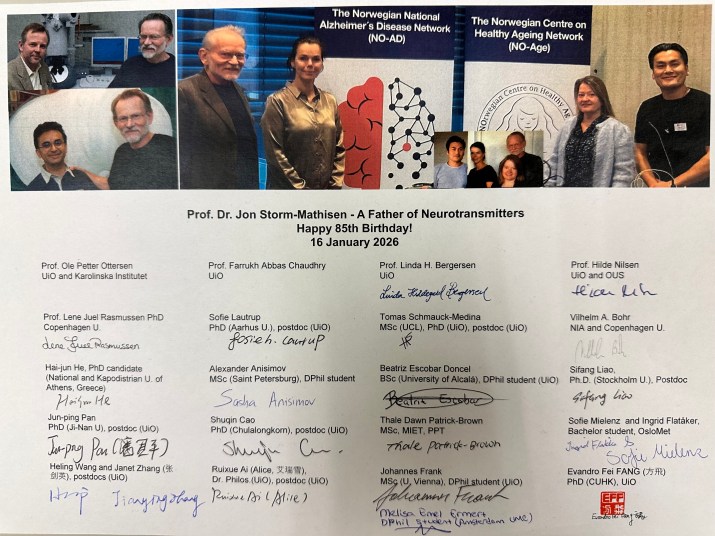
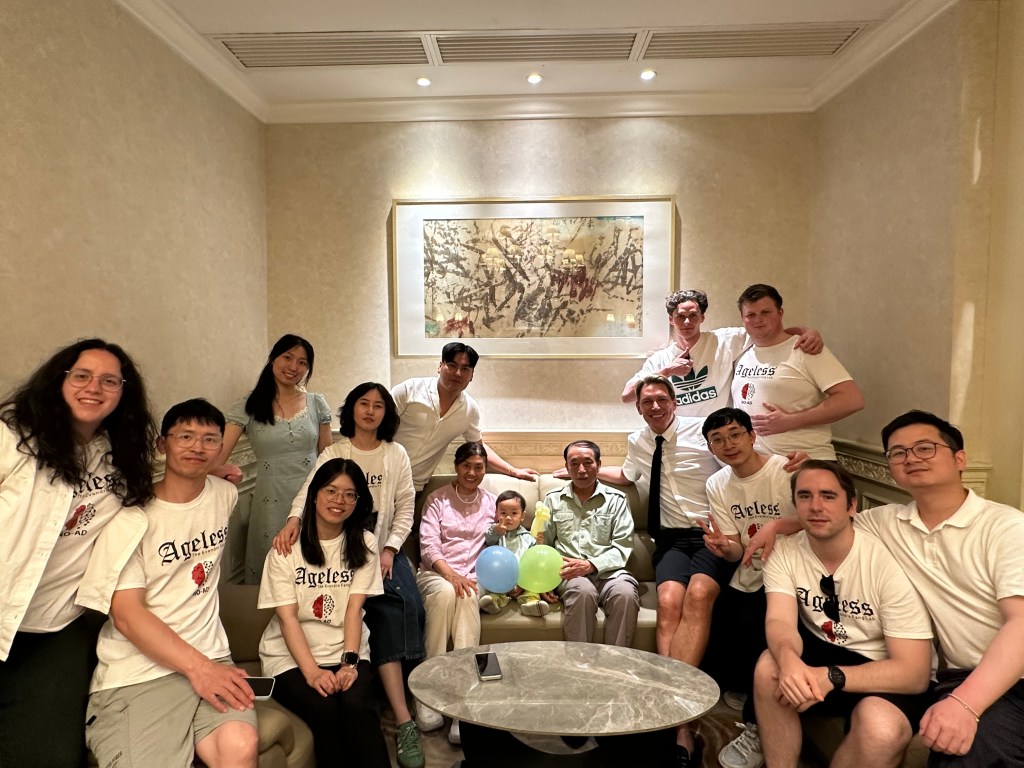
On the 19th January 2026, we had a celebration to Prof. Dr. Jon Storm-Mathisen’s 85th birthday: a Father of Neurotransmitters. We wish you a happy, healthy, and active 2026 and onwards. We look forward to celebrating your 90th birthday!
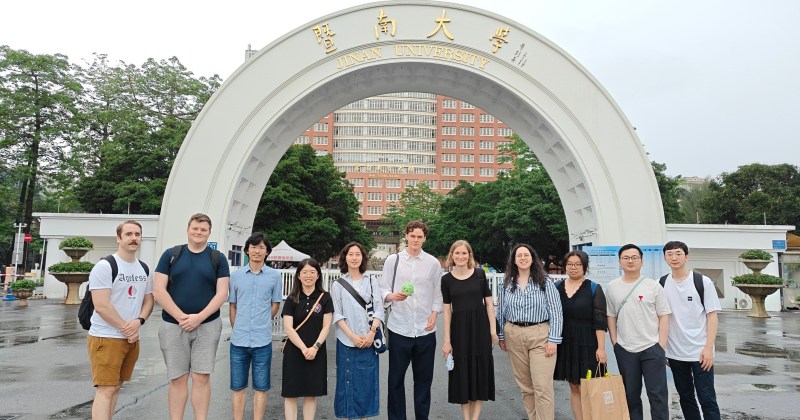
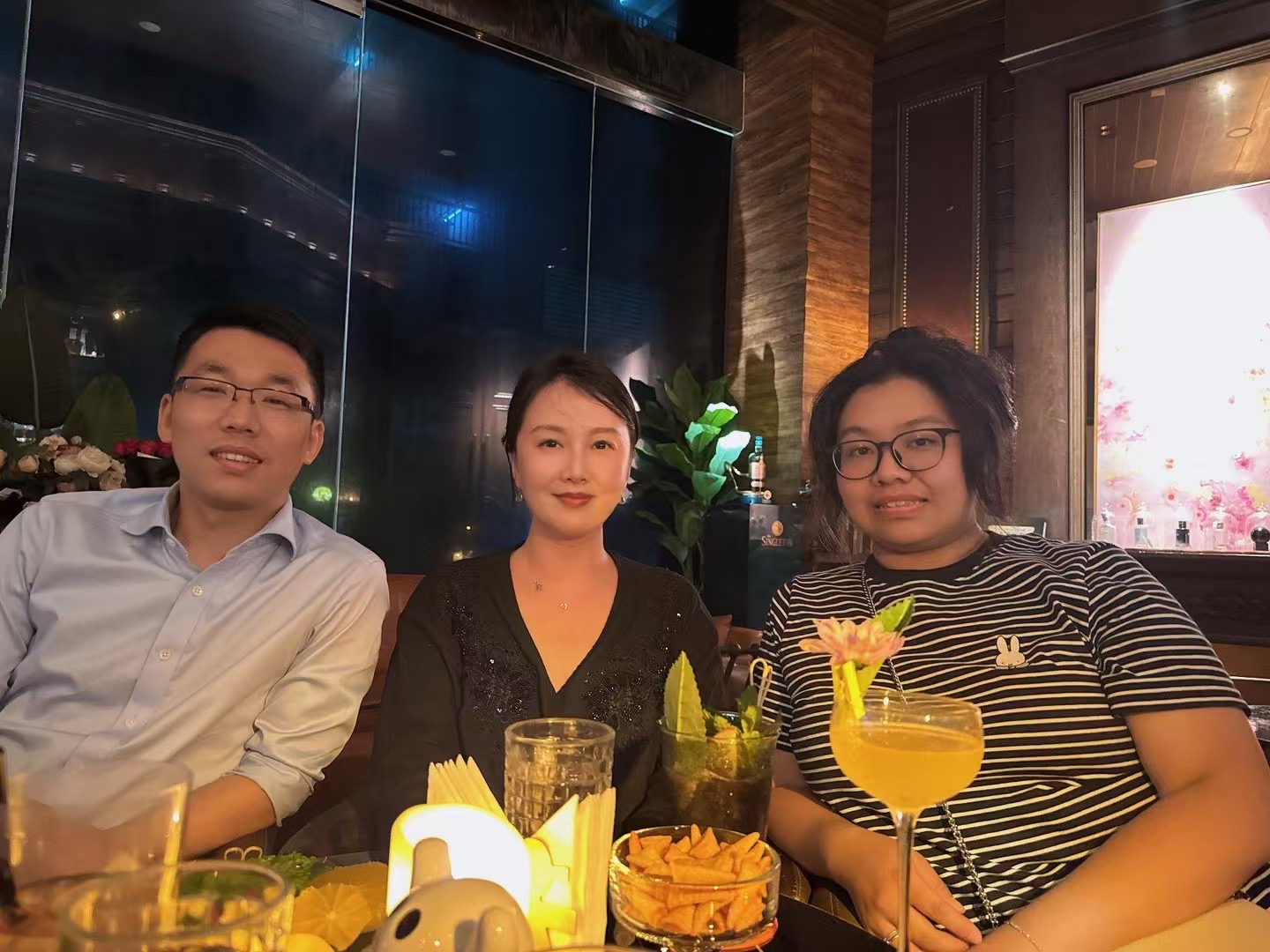
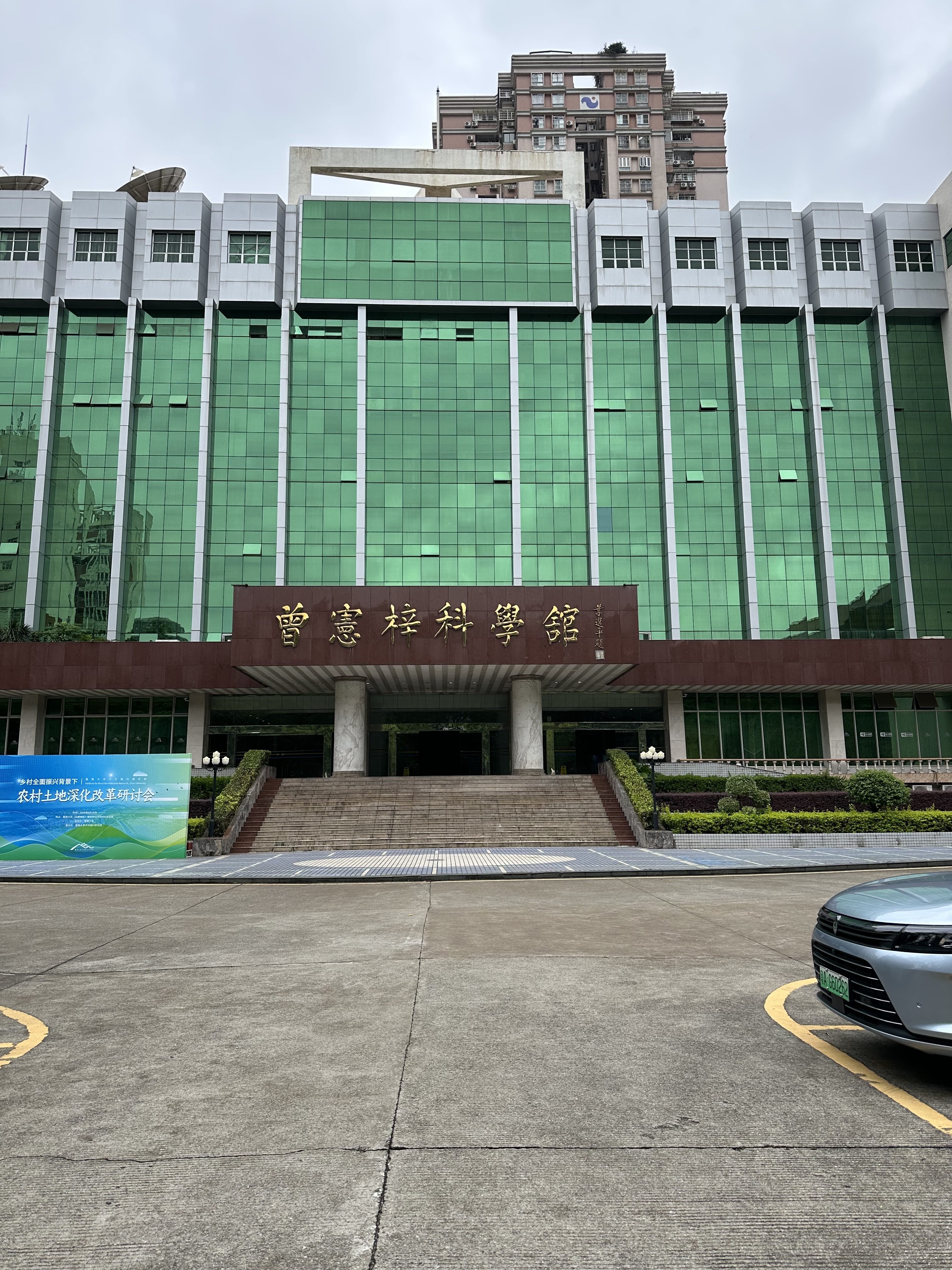
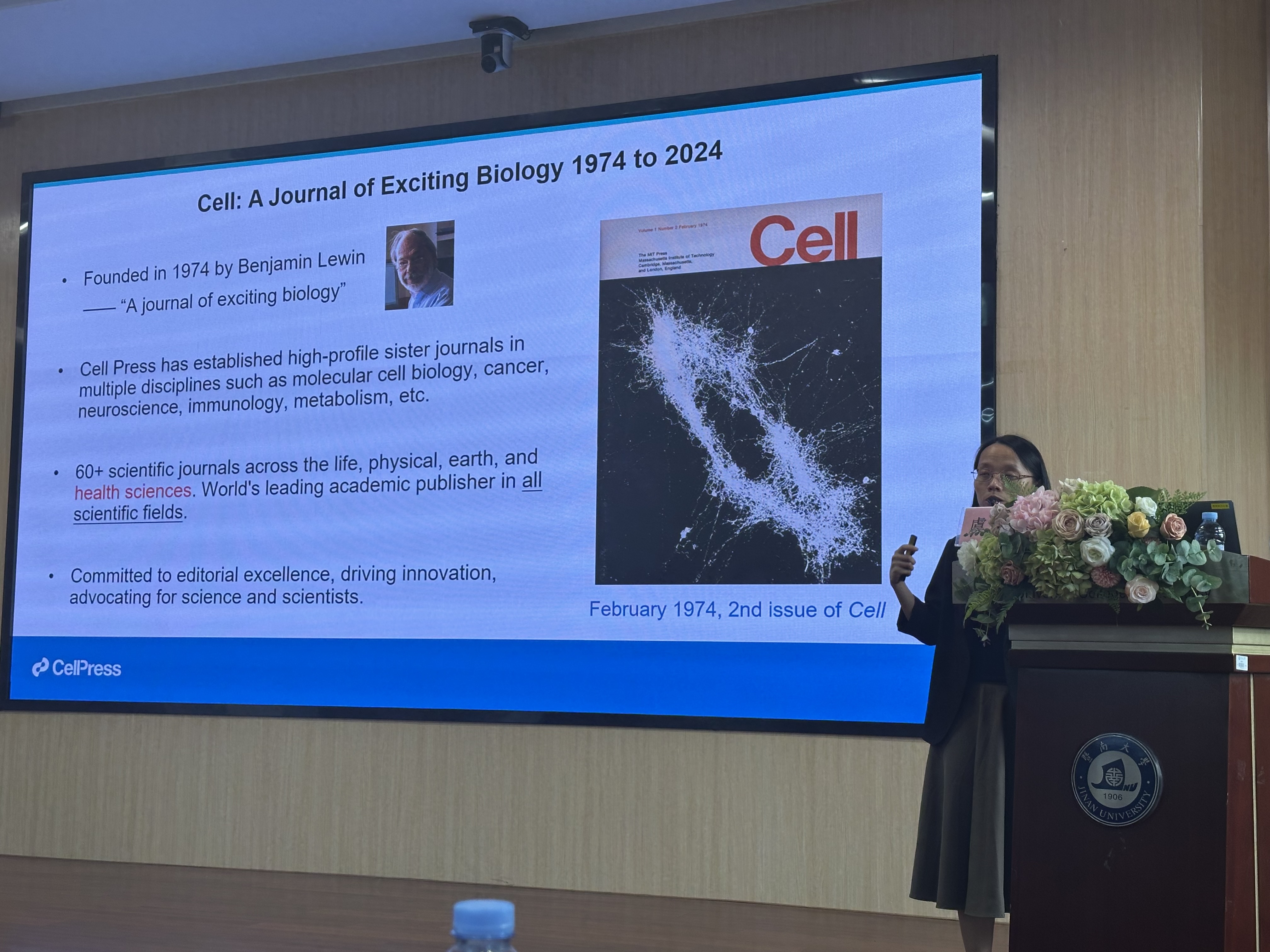
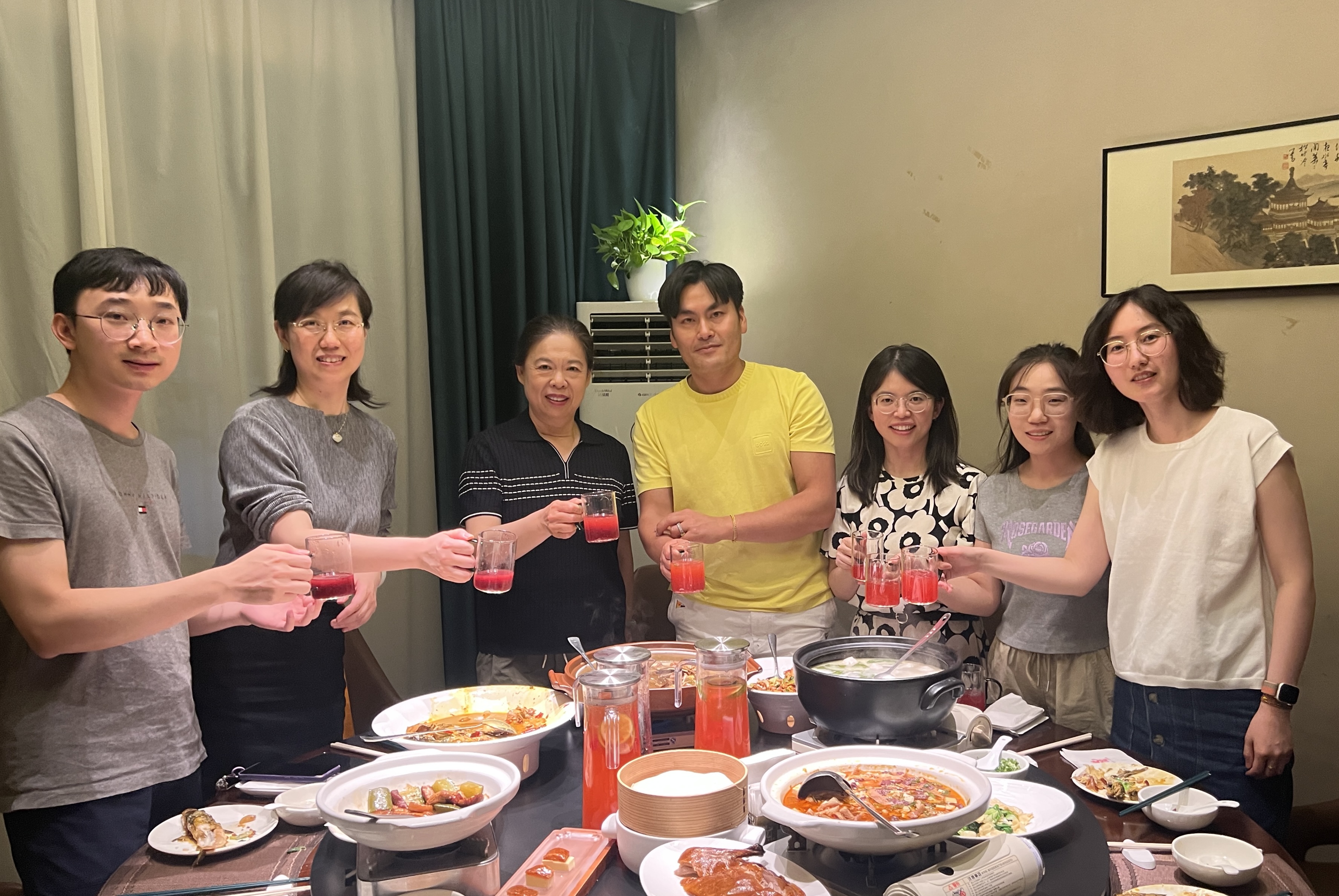
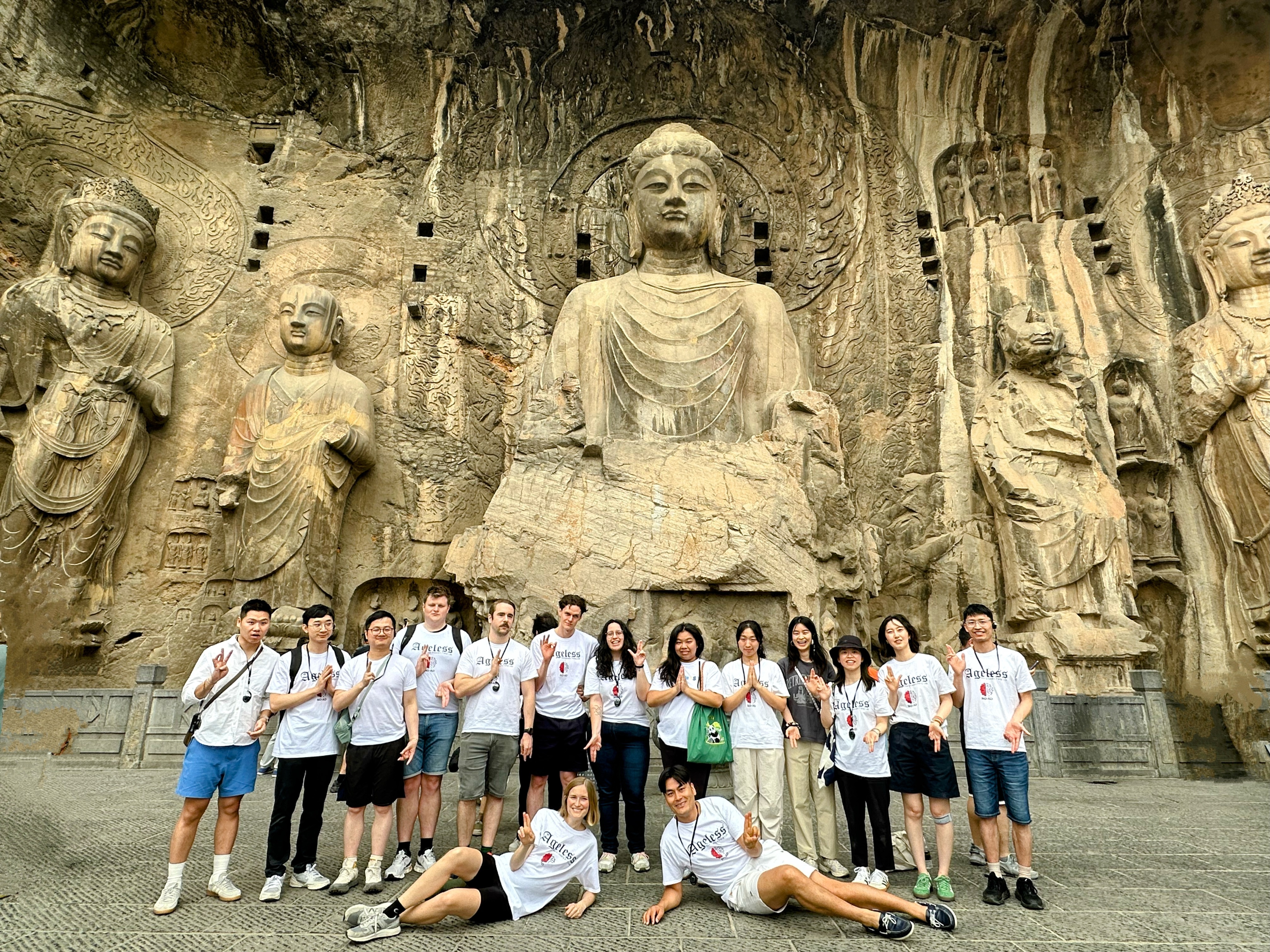
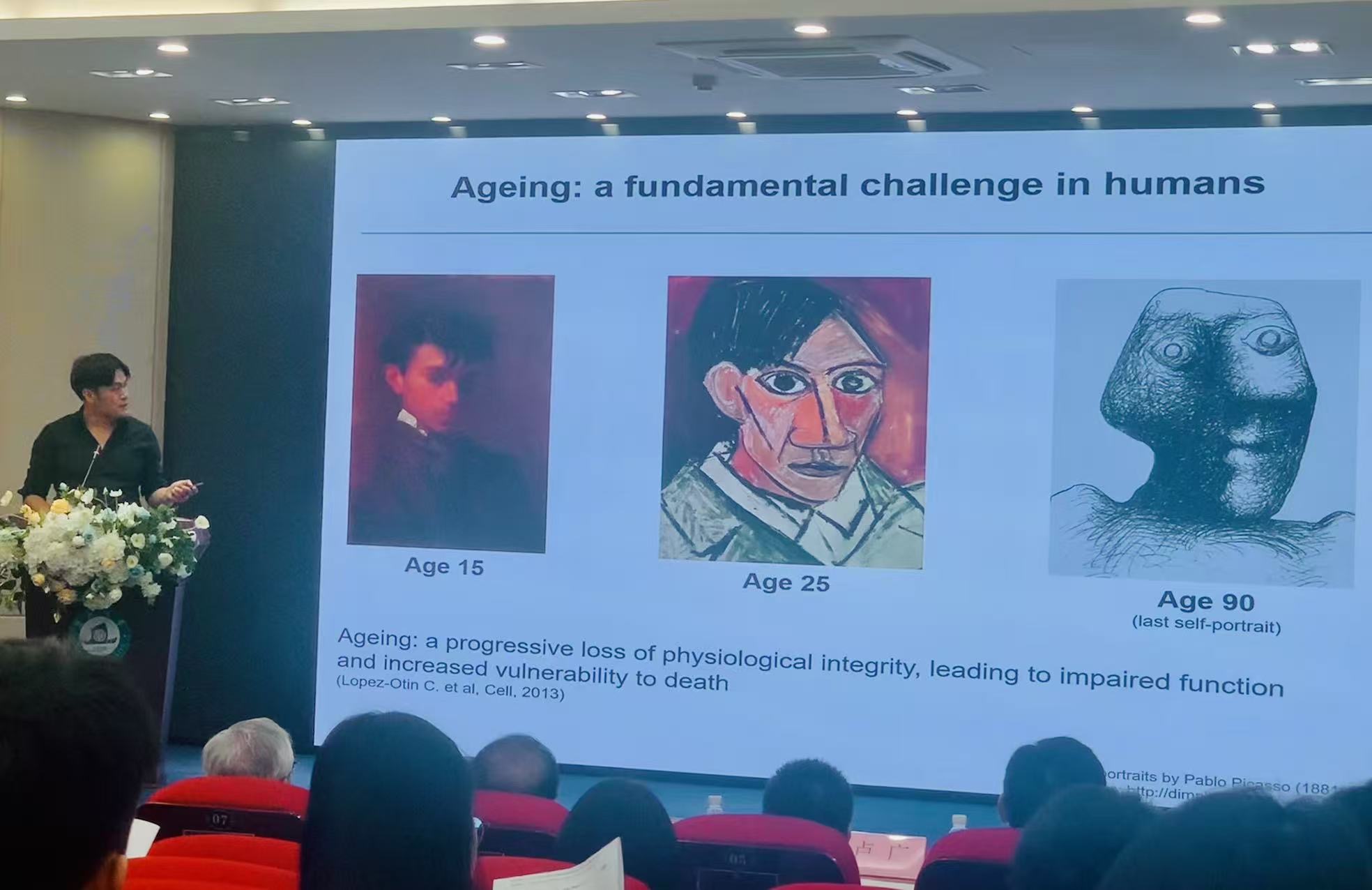
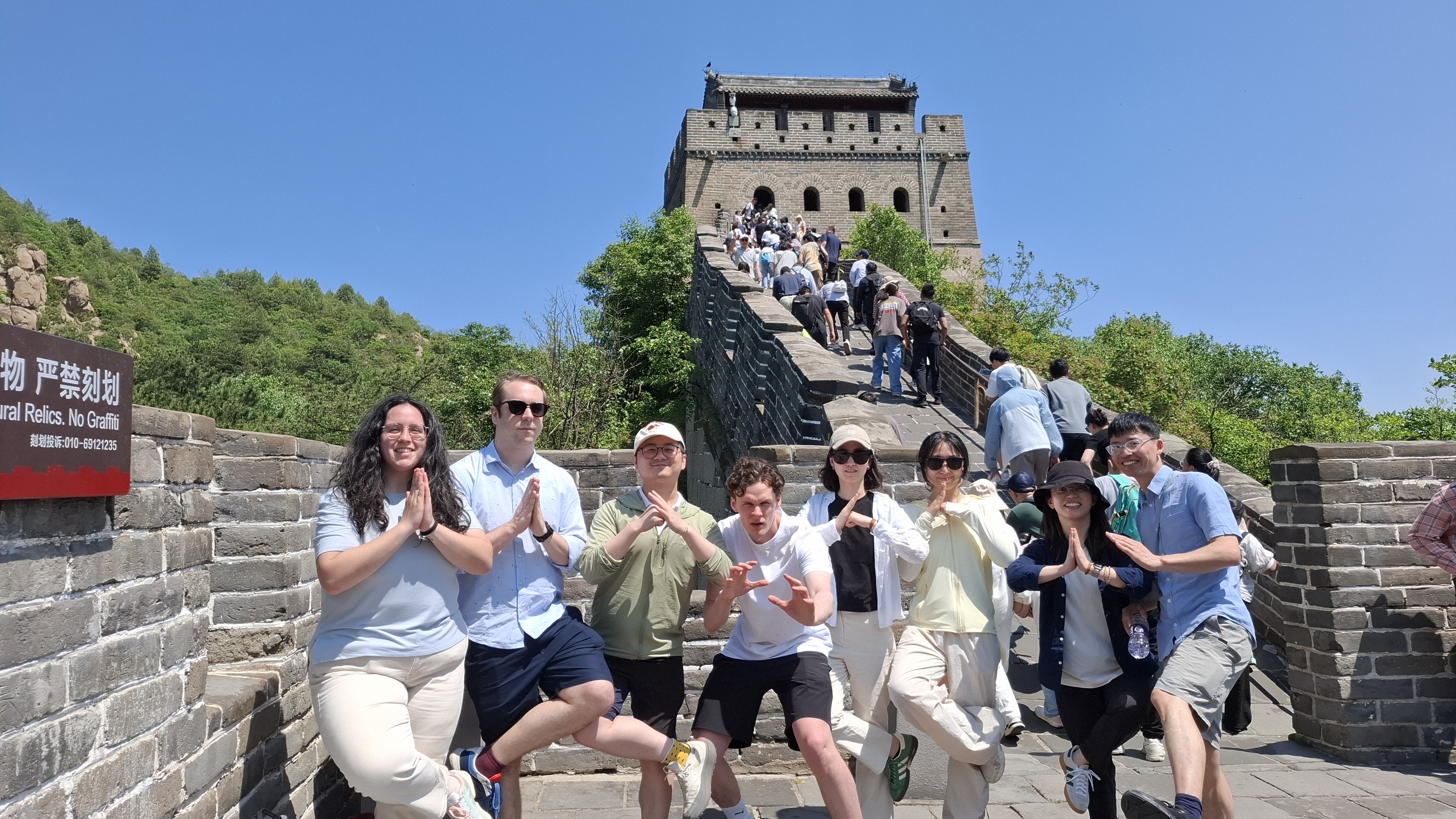
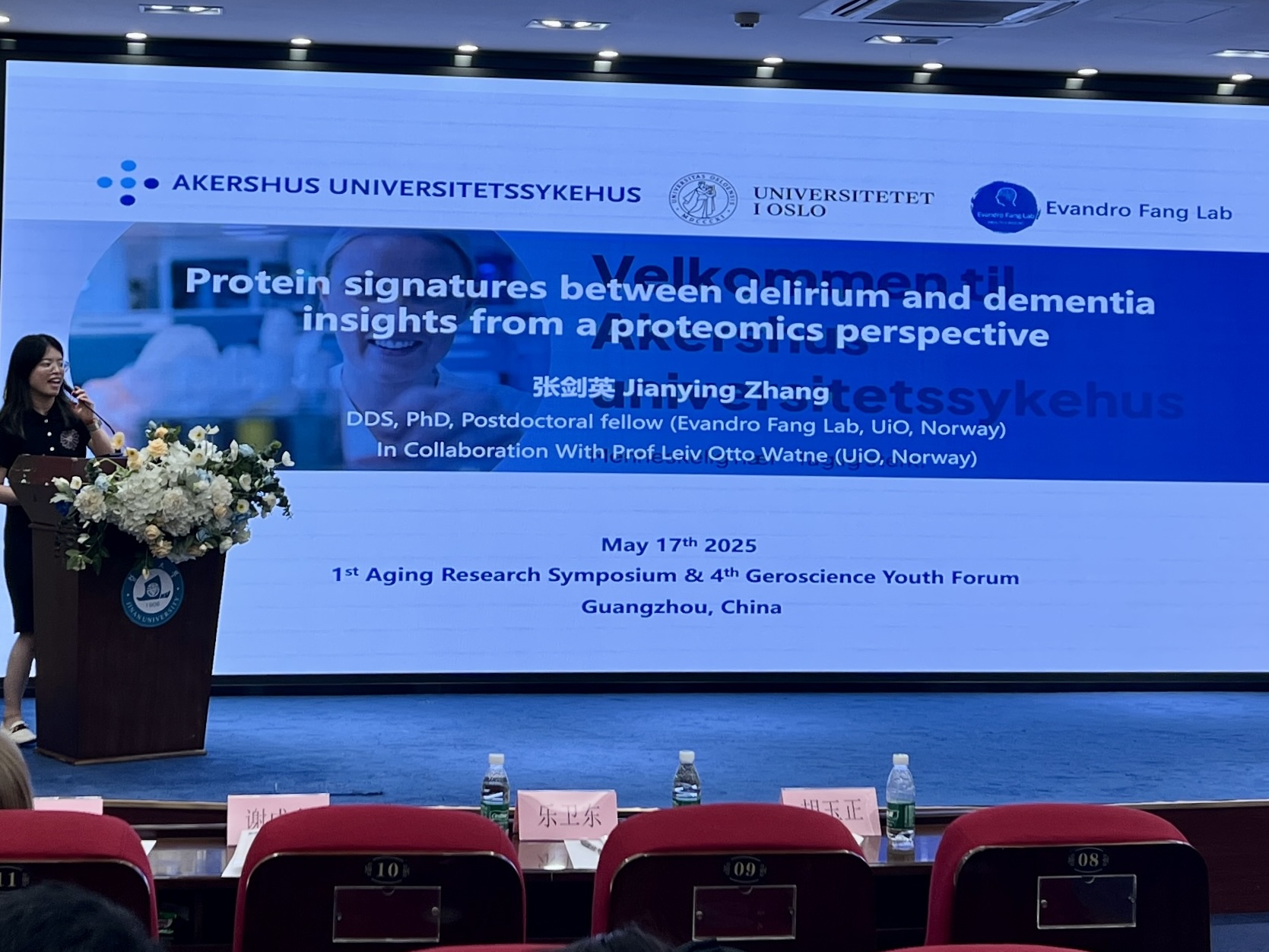
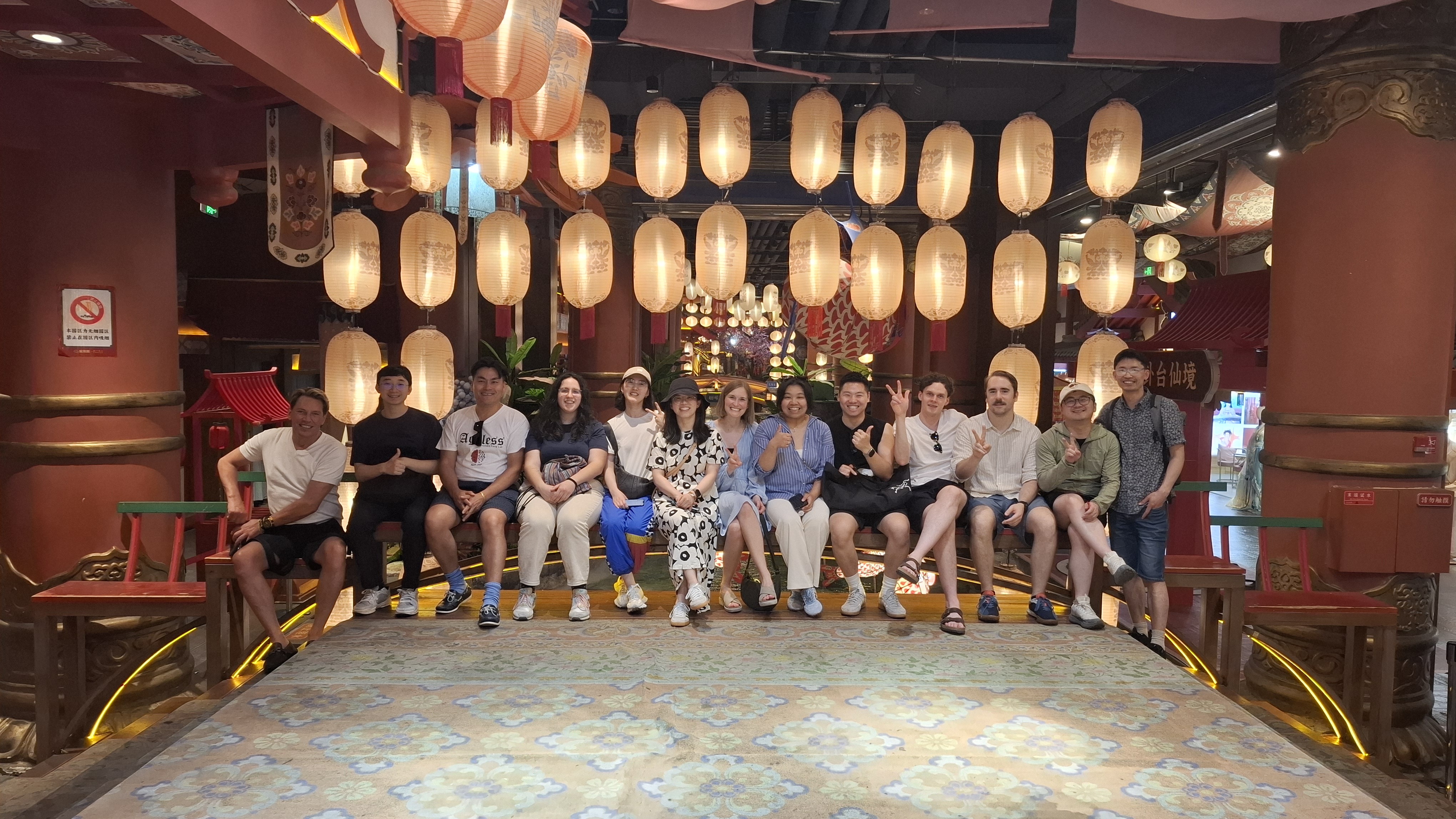
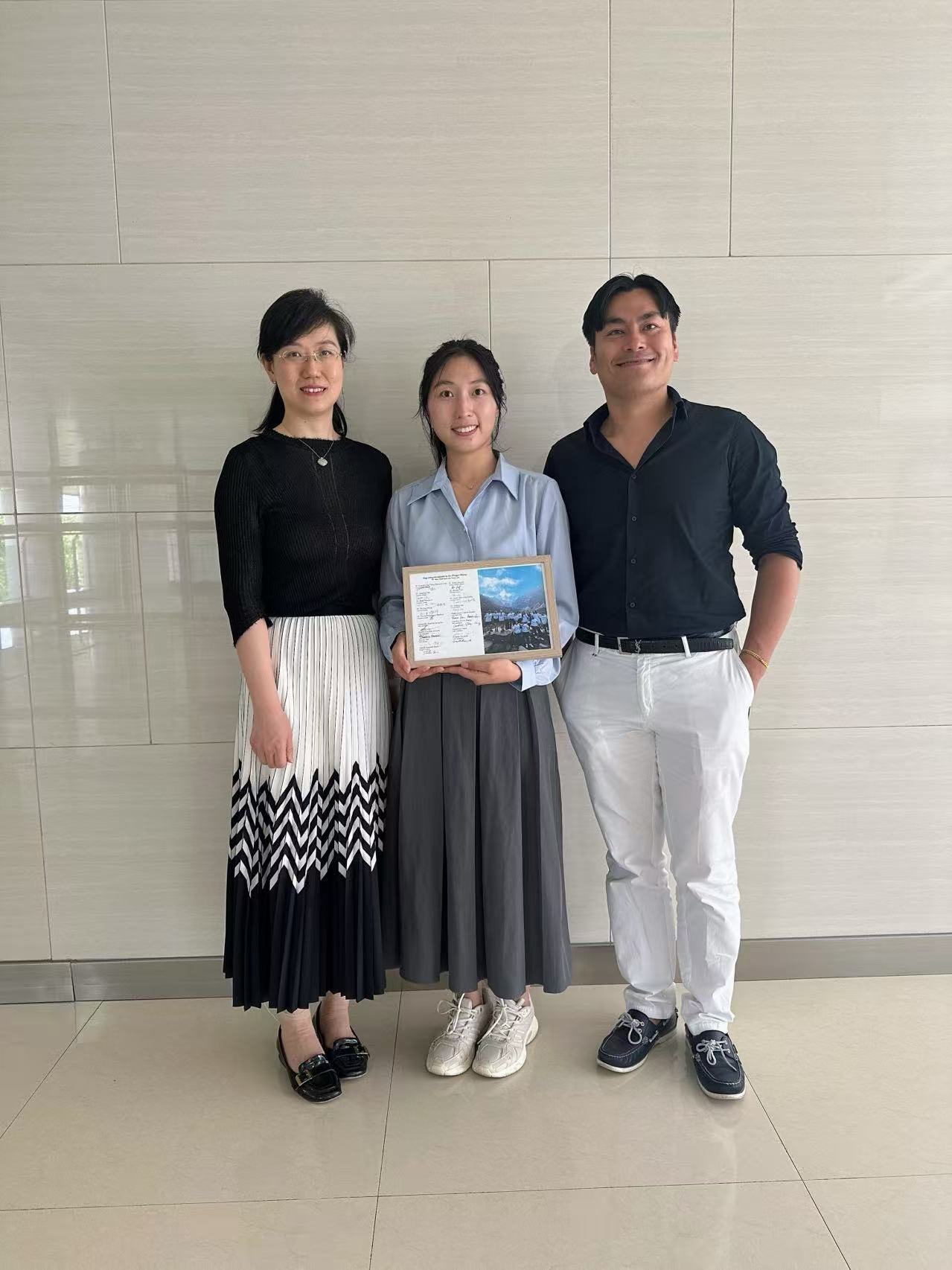
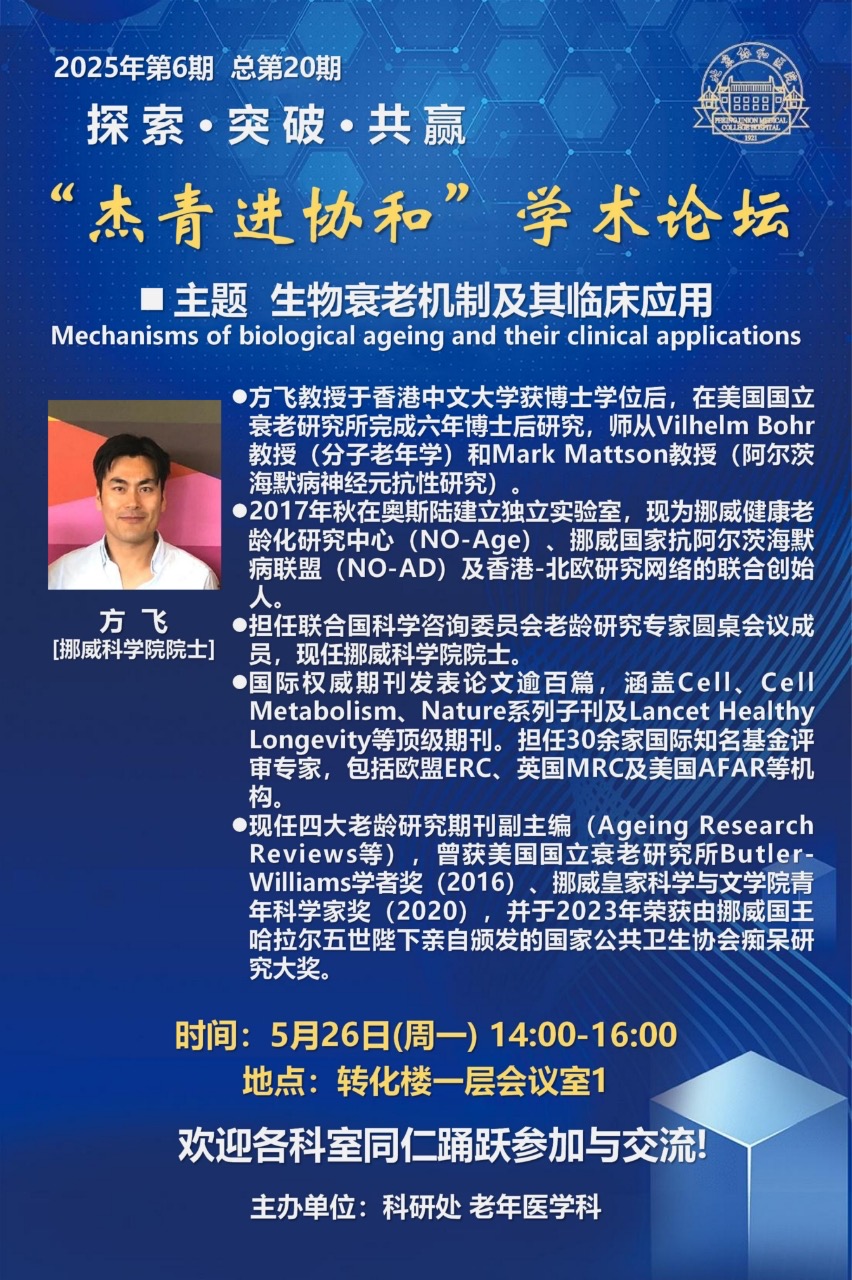
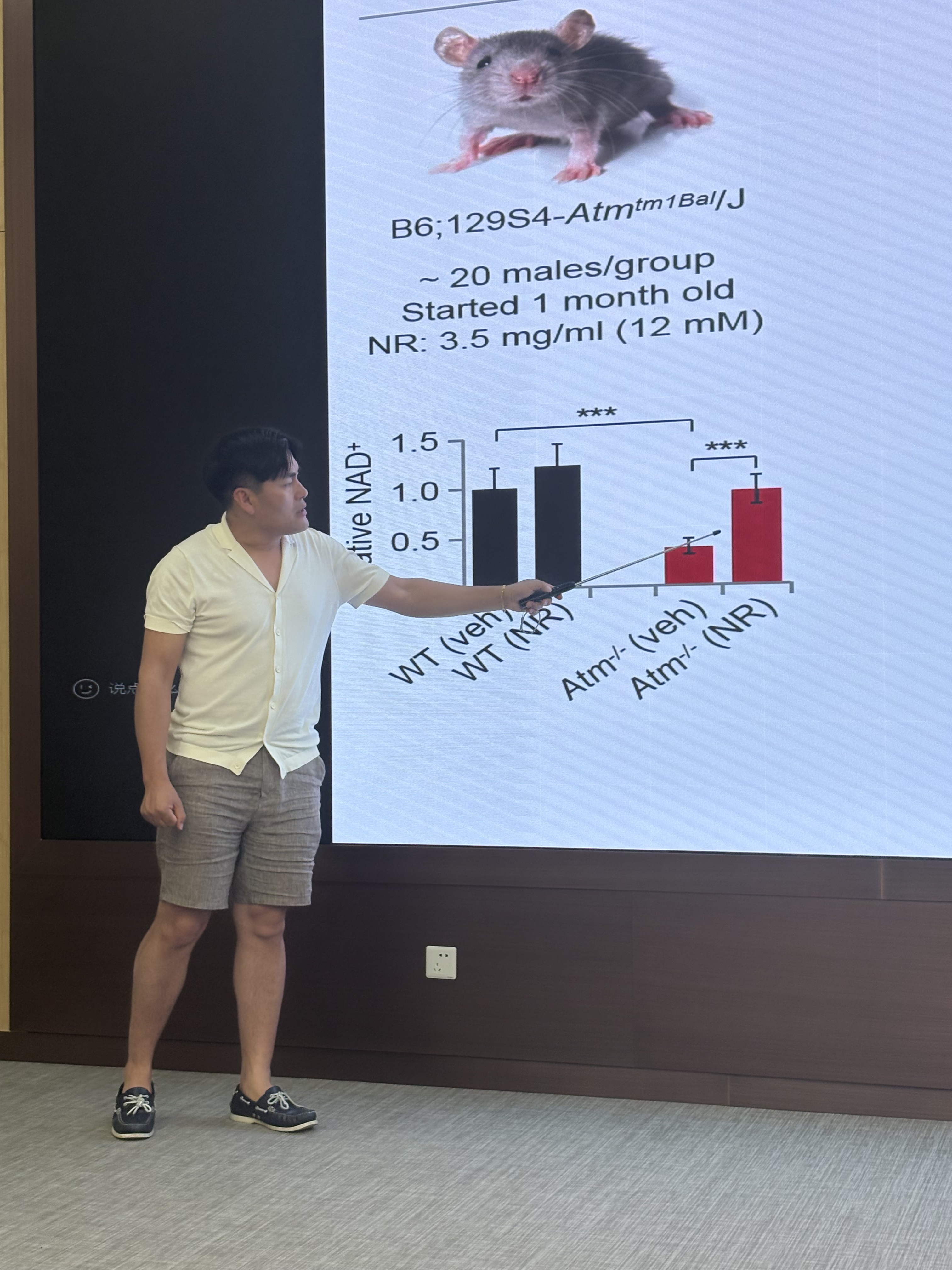
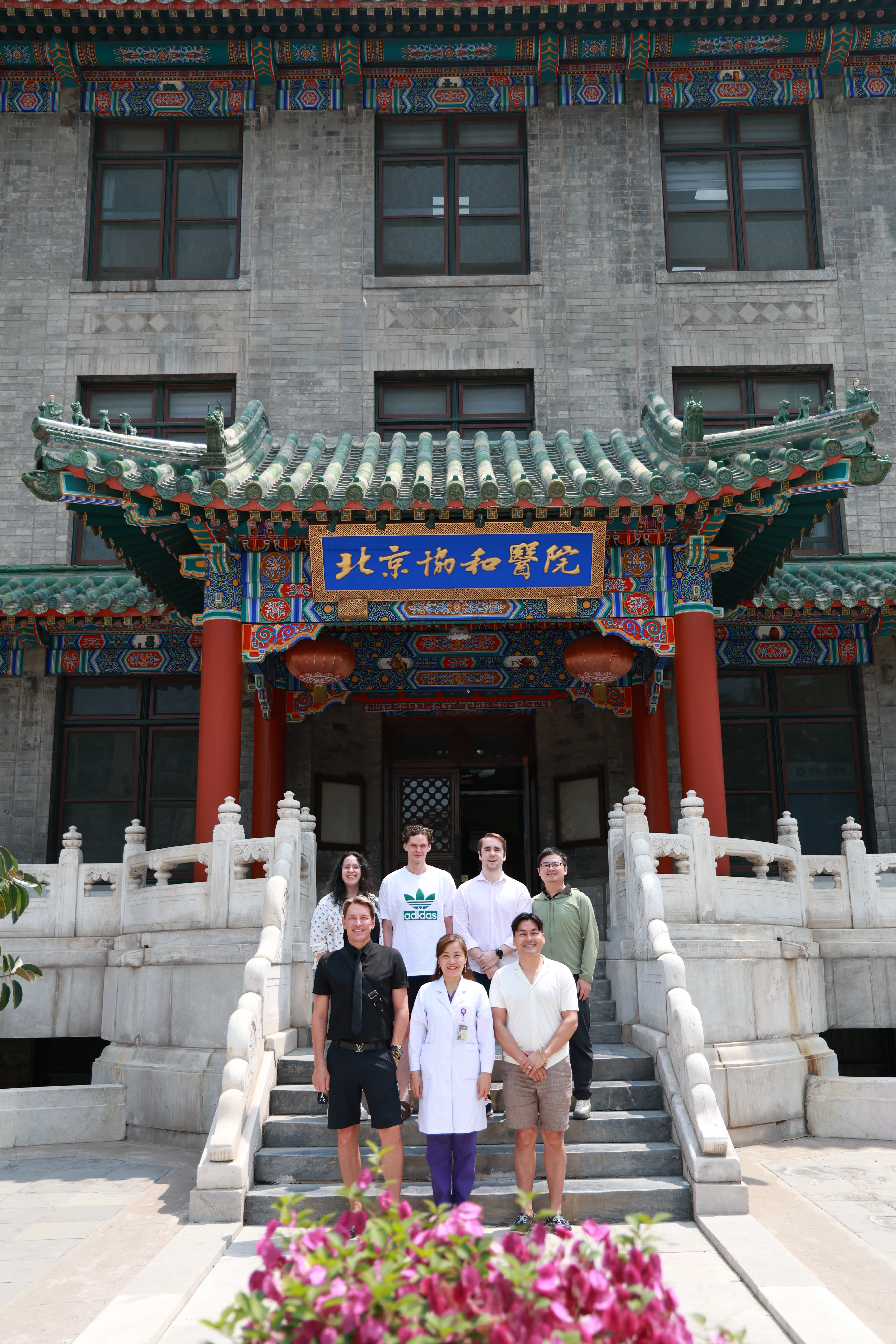
During 15-28 May 2025, the Fang Lab had their 2nd retreat of 2025 in China. During this retreat, we attended a series of scientific events, including 1. 16th May 2025: Fang attended a symposium organised by Ji-Nan University on how to publish in Cell publication-related journals. 2. 17th May 2025: with Prof. Guobing Chen, the Fang Lab Co-hosted the 1st Ageing Research Symposium & 4th Geroscience Youth Forum in Guangzhou, China. Fang, Senior researcher Dr. Sofie Lautrup, and senior postdoc fellow associate Professor Janet Jian-ying Zhang gave invited talks. 3. 19th May 2025: Fang gave an invited talk in Zheng-Zhou University the 1st affiliated hospital (the world largest hospital), China. 4. 26th May 2025: the Fang lab visited Peking Union Medical College (the best medical school in China) and its Xie-He Hospital. Especially, they visited the Department of Geriatrics of Xie-He Hospital on how the clinicians diagnose and treat older patients. Fang gave an invited talk in the afternoon to more than 100 students and colleagues in Peking Union Medical College.
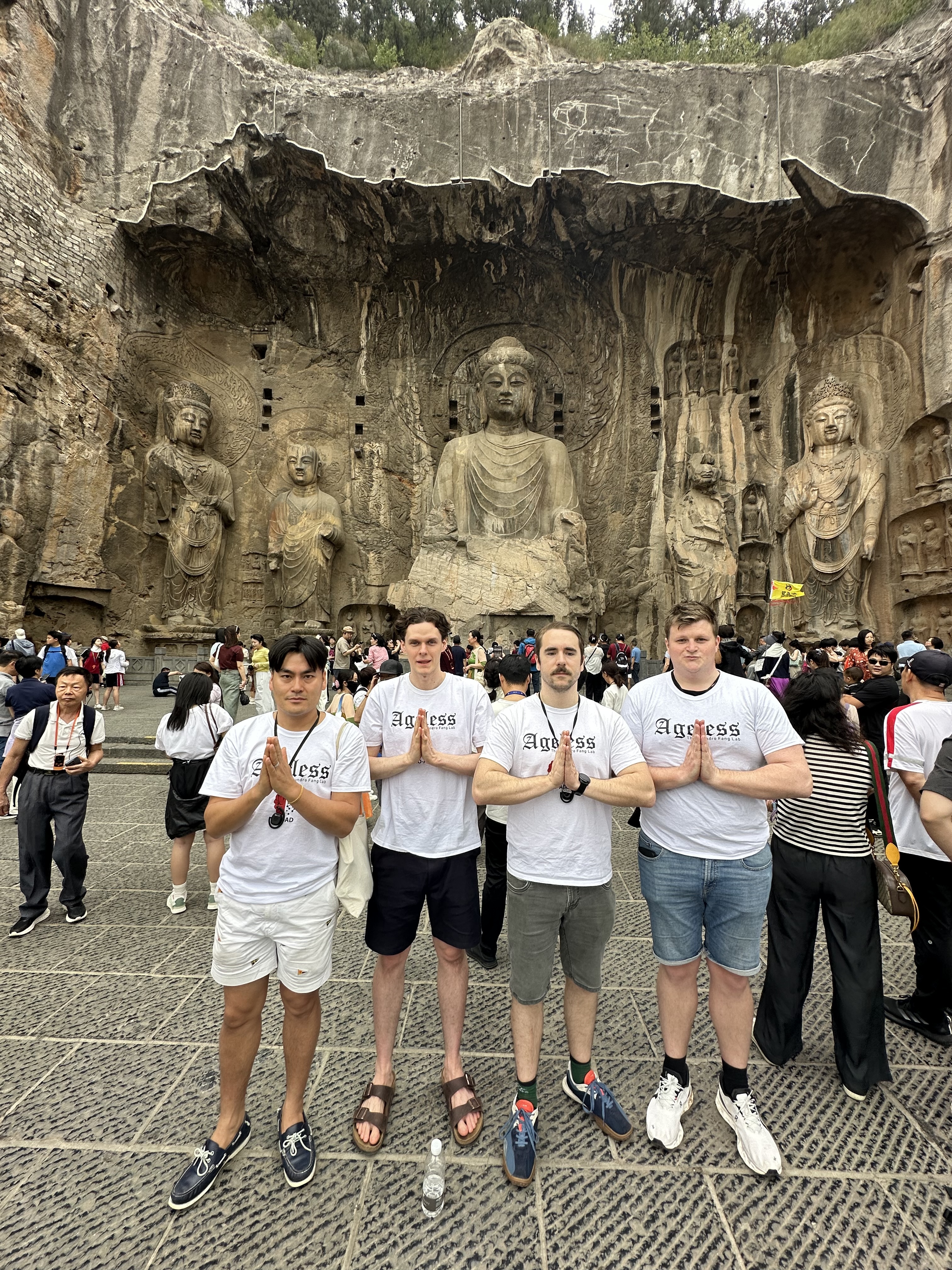
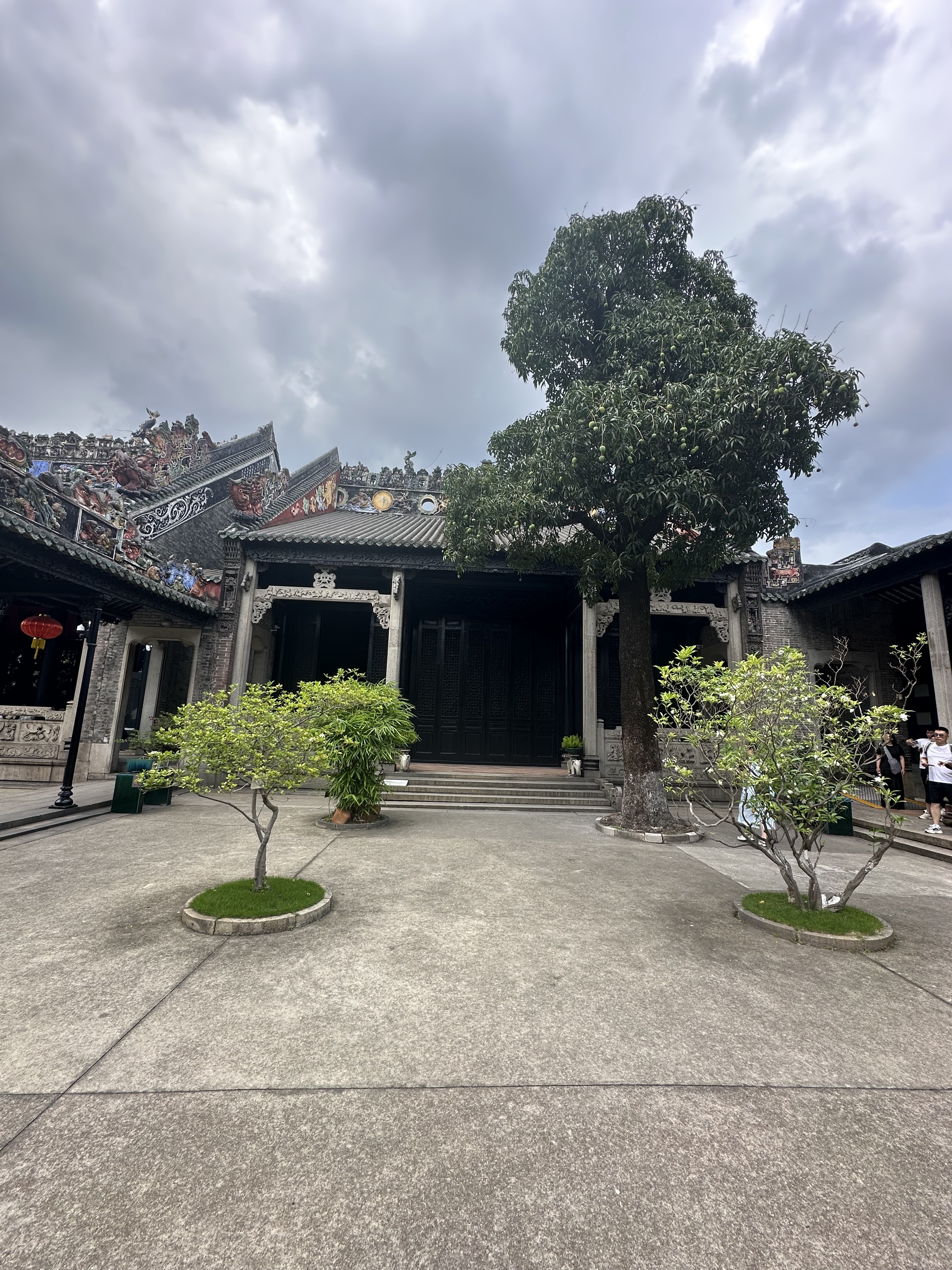
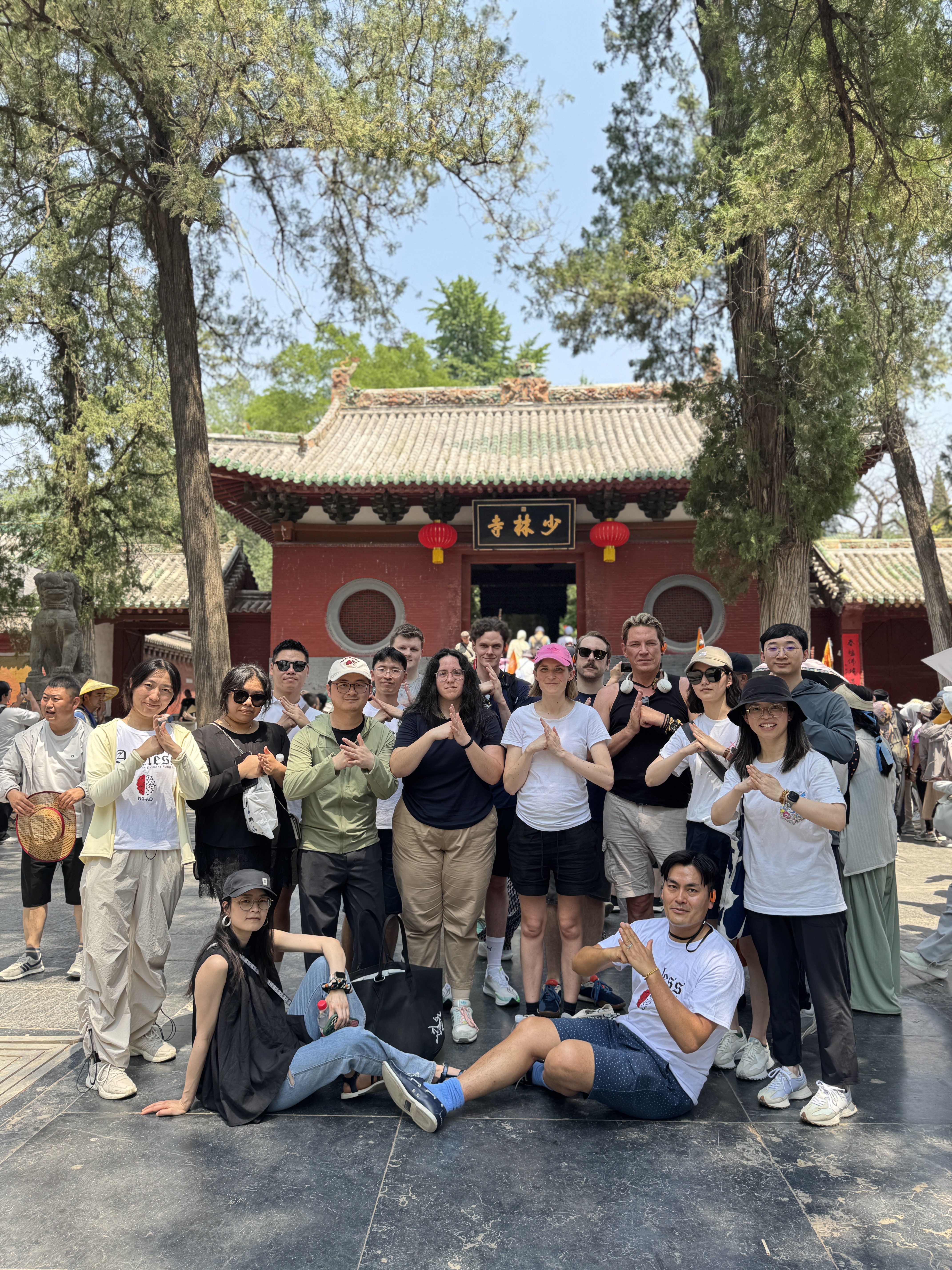
During this period, we also visited historical and natural sites in different cities, including in Guang-Zhou (Canton Tower), Zheng-Zhou (Henan Museum), Luo-Yang (Longmen Grottoes and the old town), and Bei-Jing (The Great Wall and the Forbidden City).
We thank all the local hosts in taking care of us, including Prof. Guo-Bing CHEN (Dean of the Faculty of Medicine, Ji-Nan University), Associate Prof. Guang LU (Sun Yat-Sen University), Dr. Qian WANG (Head of the Department of Geriatrics, the 1st Affiliated hospital of Zheng-Zhou University), as well as Profs. Sofie Lin KANG, Jun WU, and Hou-Zao CHEN (Peking Union Medical College).
We are already very looking forward to the next retreat!
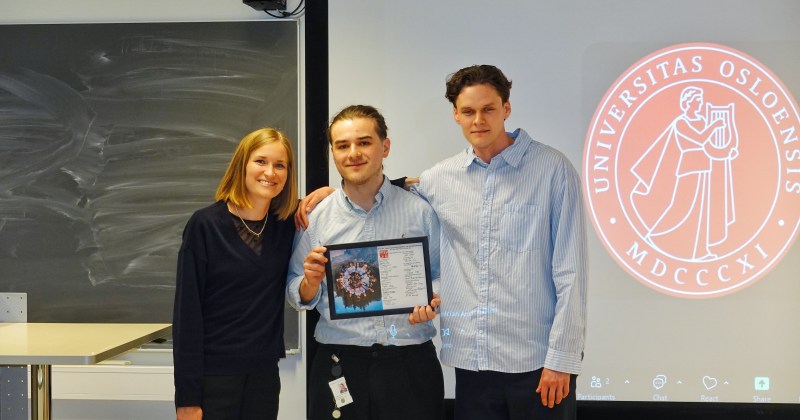
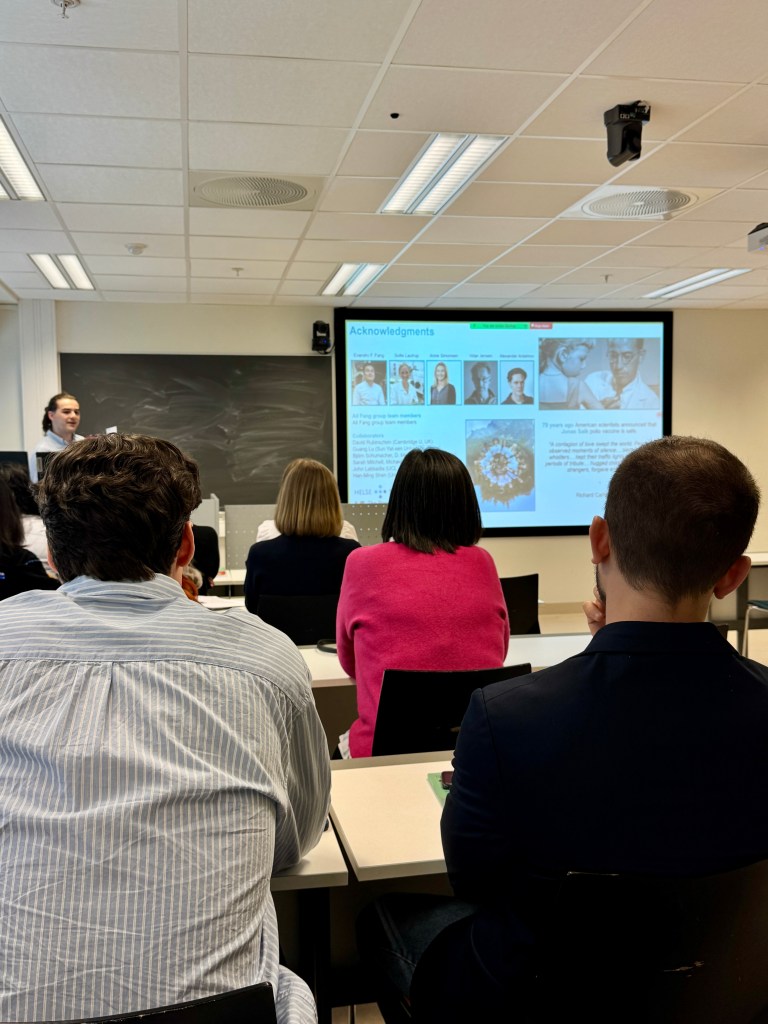
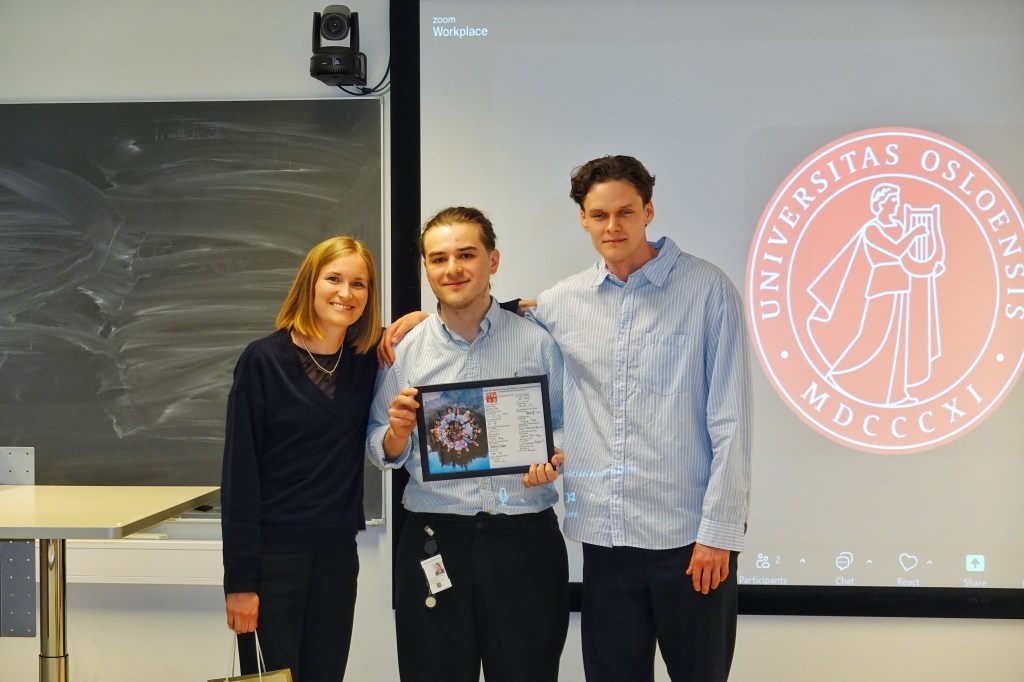
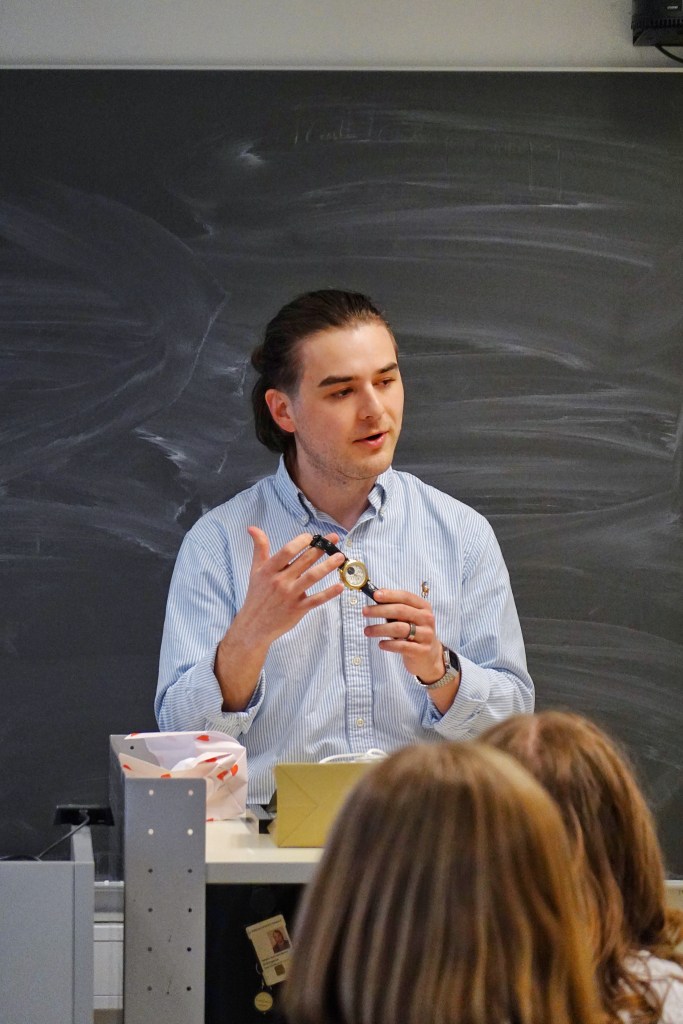
On 29 April 2025, our PhD candidate Tomás Alejandro Schmauck-Medina successfully defended his thesis “ATG-18/WIPI2, NAD+, and fasting converge through autophagy in healthy ageing and Alzheimer’s disease” for the degree of PhD (Philosophiae Doctor). Big congratulations to Dr. Schmauck-Medina.
We thank the mentoring team, especially to our senior researcher Dr. Sofie Lautrup for her excellent mentoring – Dr. Schmauck-Medina is officially the 1st PhD co-mentored by Dr. Sofie Lautrup.
The Year 2025 is approaching, and we would like to extend this opportunity to wish you and your beloved ones and very Merry Christmas and a Happy New Year 2025!
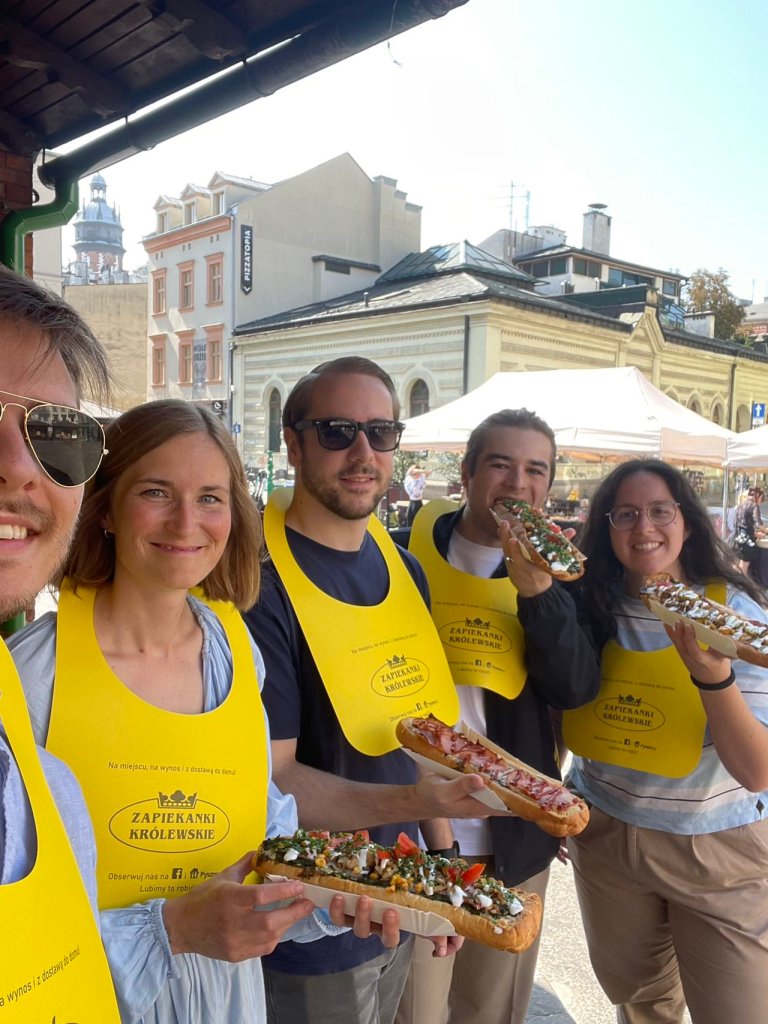
The Year of 2024 has been very productive and here we just list a few: 1. Postdoc Dr. Sifang Liao has received a postdoc grant from the prestigious CureAlzheimer´s Foundation to extend his study in the Fang and Nilsson laboratories (news in Karolinska); 2. Postdoc Dr. Queena Shu-qin Cao has secured a postdoc fellowship (3-year) from the highly competitive National Health Association; 3. Postdoc Dr. He-Ling Wang has secured a postdoc fellowship (3-year) from the highly competitive National Health Association; 4. Many of the Fang Lab team members have secured small grants from the UiO LifeScience Foundation (Johannes Frank/Sofie H. Lautrup, Alexander (Sasha) Anisimov, He-Ling Wang, and Beatriz Escobar Doncel); 5. He-Ling Wang defended her PhD and has set a high standard on the quality of a PhD from the Fang laboratory; 6. Thanks to Shu we had a very successful retreat in Poland (video); and 7. Many research papers and review papers are in preparation or under review and we anticipate a productive year 2025!
Here is a video of New Year 2025`wishes (video; and on-line)
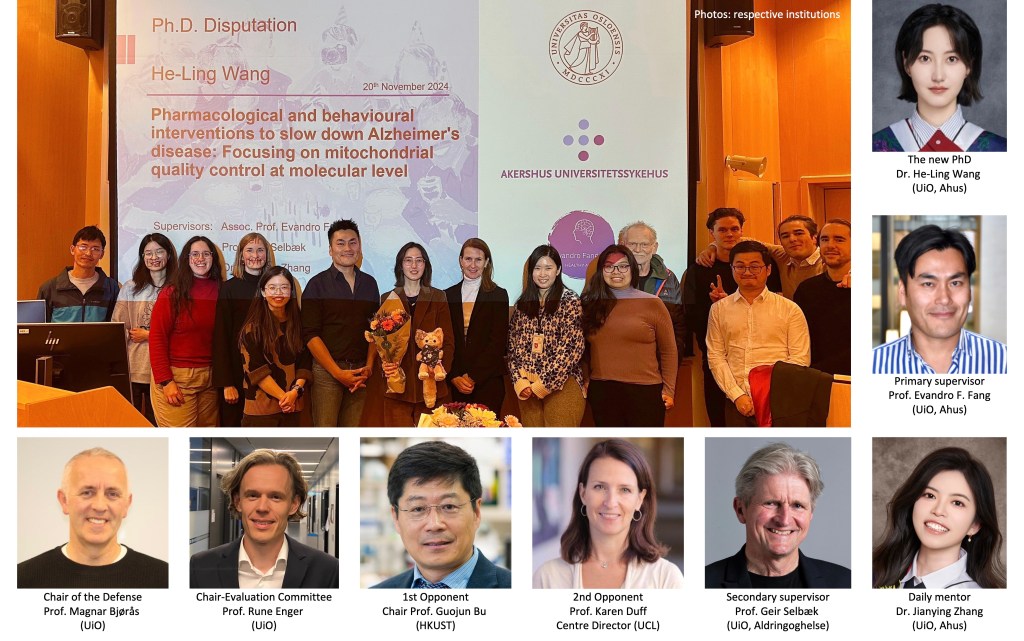
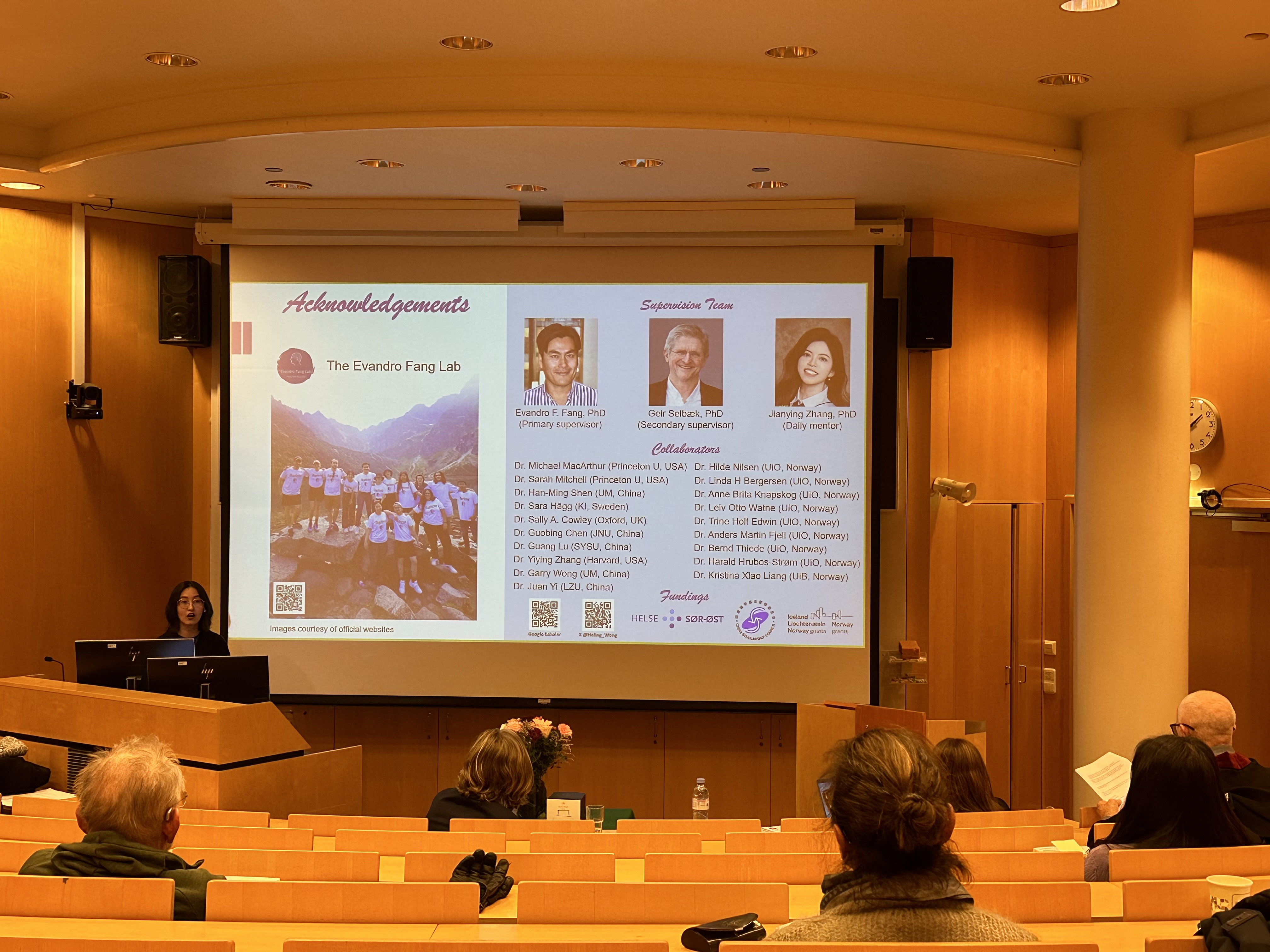
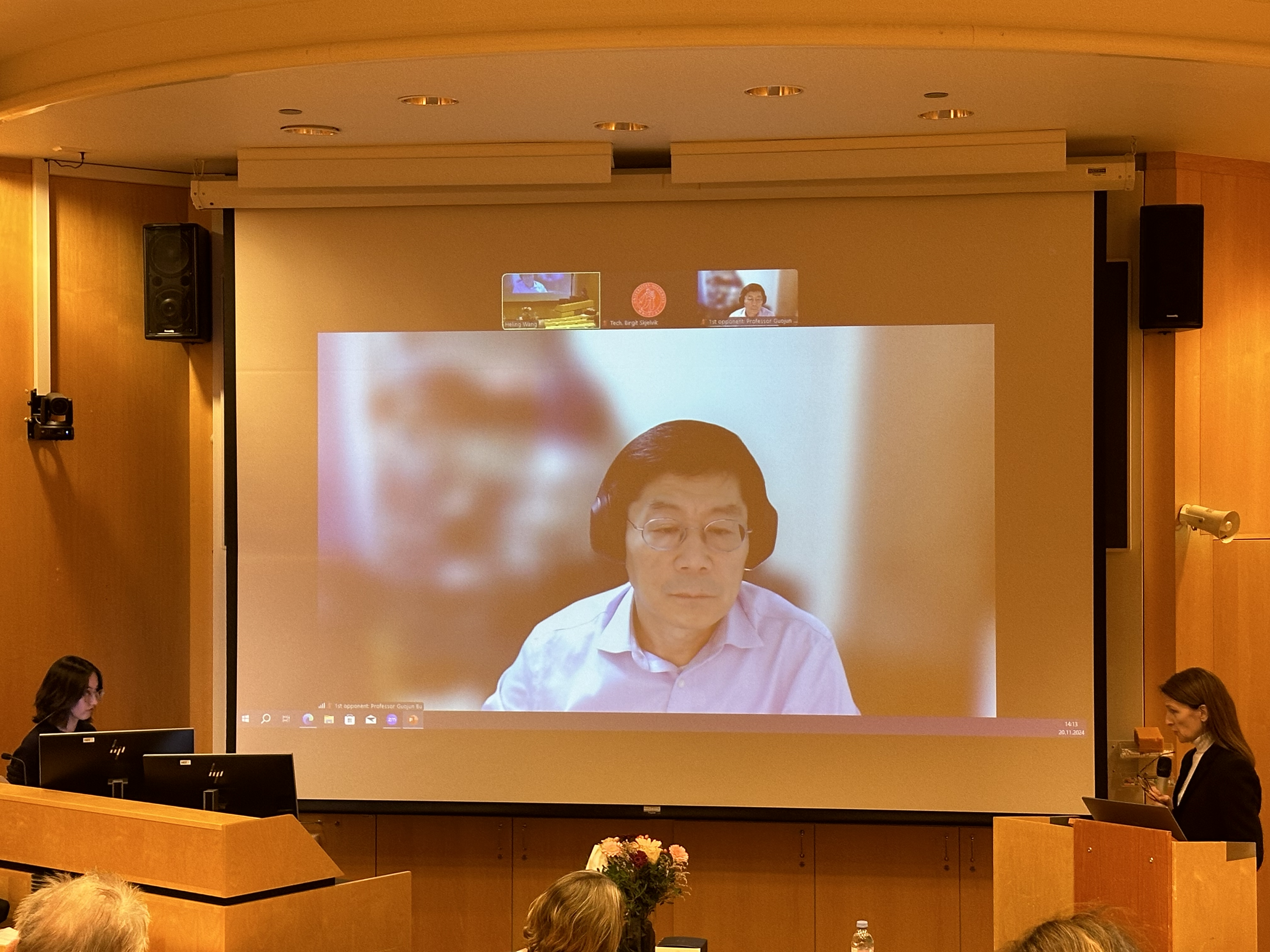
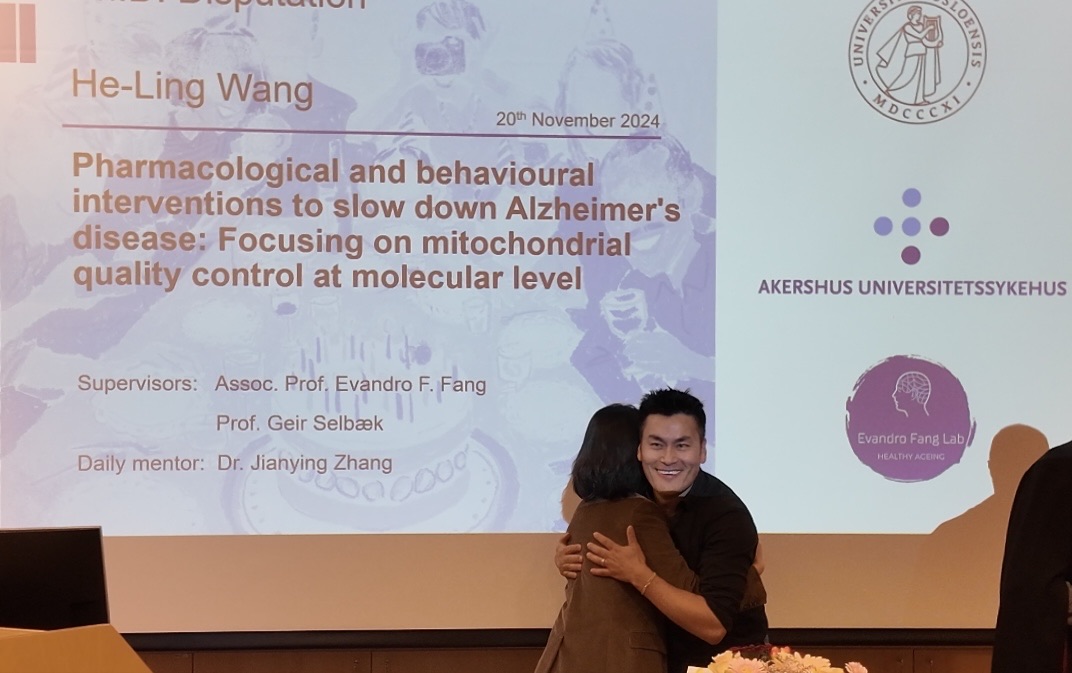
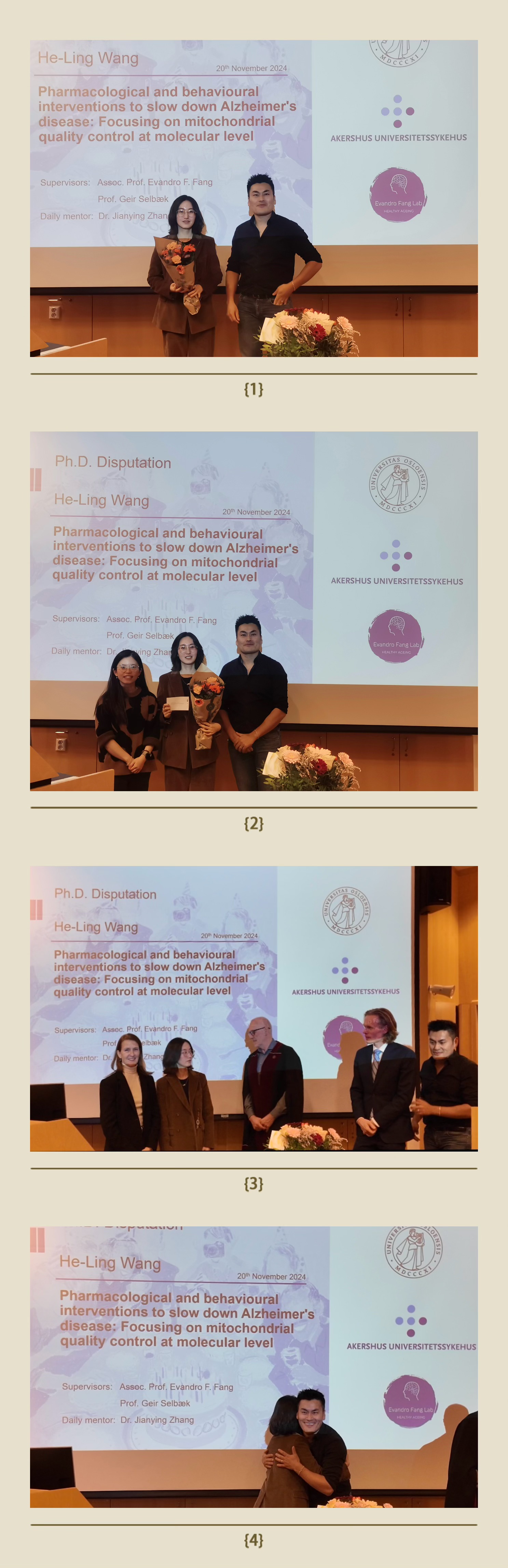
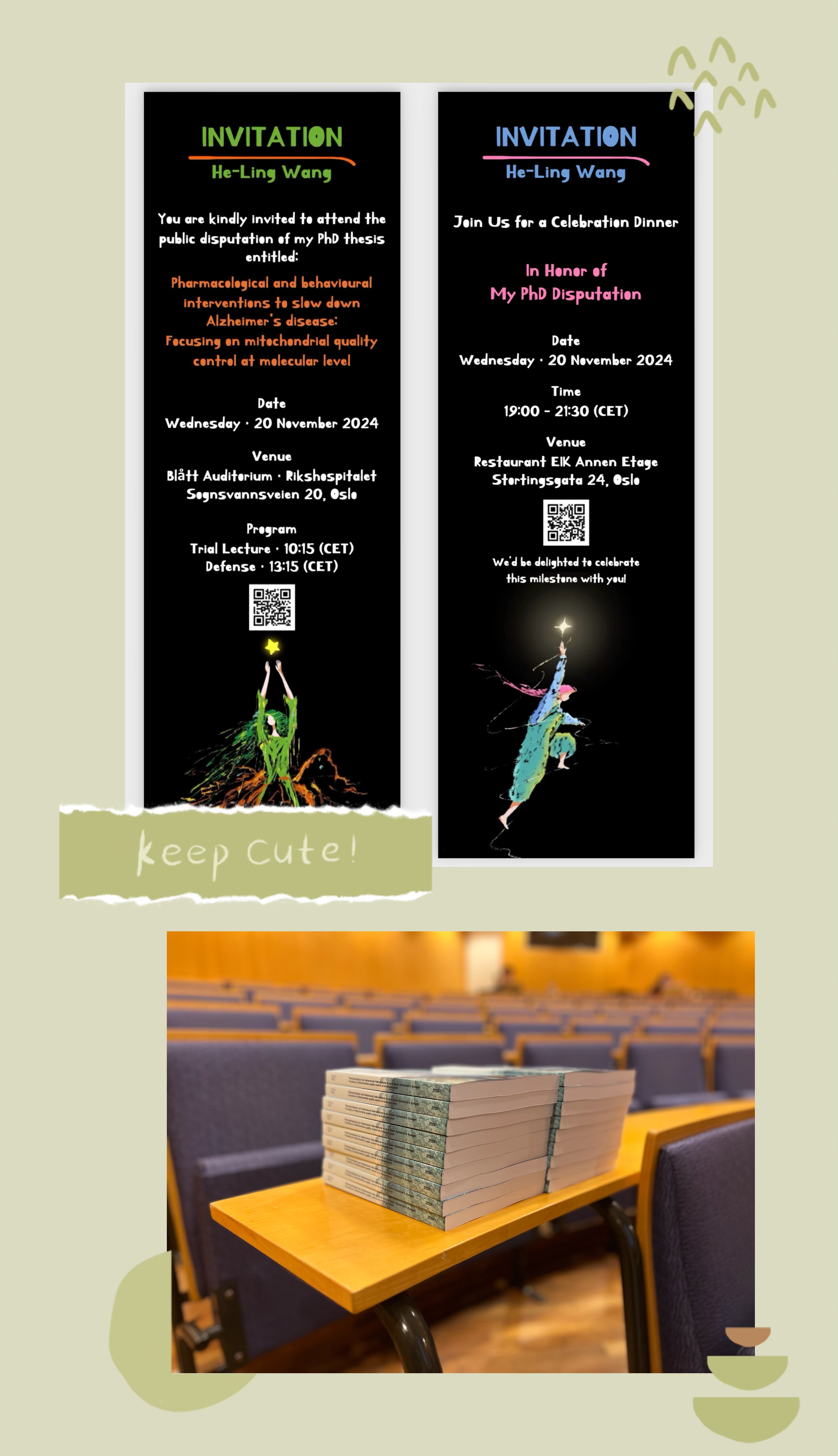
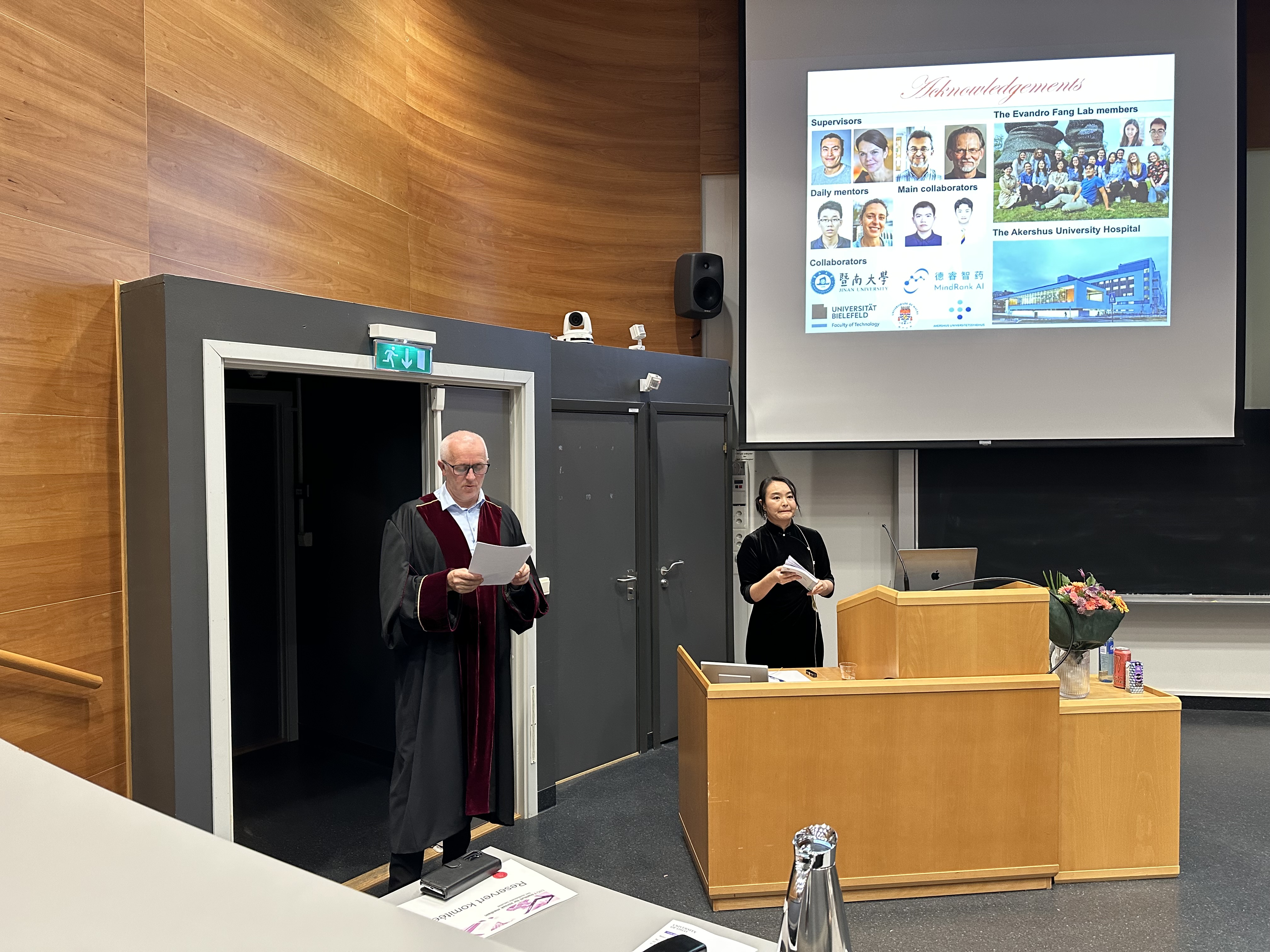
On 20 Nov. 2024, our student He-Ling WANG successfully defended her PhD thesis entitled ‘Pharmacological and behavioural interventions to slow down Alzheimer’s disease: Focusing on mitochondrial quality control at molecular level’, mentored by Associate Prof. Evandro Fang, Prof. Geir Selbæk, and Dr. Janet Jian-Ying ZHANG.
Adjudication committee
First opponent: Chair Professor Guojun Bu, The Hong Kong University of Science and Technology, Second opponent: Centre Director Karen Duff, UK Dementia Research Institute, University College London, Third member and chair of the evaluation committee: Associate Professor Rune Enger, University of Oslo
Chair of the Defence
Professor Magnar Bjørås, University of Oslo
Summary
Alzheimer’s disease (AD) and related dementias present significant global health challenges, affecting over 57 million people worldwide. This thesis investigates mitochondrial dysfunction as a critical factor in AD progression, situated within n neuroscience and gerontology. The primary research questions focus on the impact of mitochondrial health on neuronal survival and the potential of therapeutic strategies to mitigate disease effects.
The research encompasses three interconnected projects: First, the evaluation of Spautin-1 as a therapeutic agent that enhances PINK1-PRKN-mediated mitophagy, promoting the removal of damaged mitochondria to improve neuronal function. Second, the assessment of NAD+ supplementation in the context of APOE4, a major genetic risk factor for AD, which improves mitochondrial metabolism and neuronal health. Third, the exploration of the synergistic effects of NAD+ supplementation combined with exercise on mitochondrial quality control and cognitive function in AD animal models characterized by amyloid-beta (Aβ) and Tau pathologies.
Key findings indicate that mitochondrial dysfunction contributes to neuronal loss and cognitive decline in AD. Spautin-1 enhances mitophagy and restores associative learning in affected models. Furthermore, NAD+ supplementation improves the metabolism of branched-chain amino acids (BCAAs), crucial for mitochondrial health, particularly in APOE4-associated AD. The combination of NAD+ supplementation with exercise further enhances mitochondrial function and neuronal resilience, highlighting a comprehensive strategy for AD management.
In conclusion, this thesis emphasizes the importance of mitochondrial management in slowing AD progression, suggesting that integrated therapeutic approaches may provide new avenues for effective treatment strategies.
Why is there such great variation in the health status of older people? Associate Professor Evandro Fei Fang leads a research collaboration to investigate this question.
Today’s older adults have much better health than previous generations. However, there are still major individual differences among older people of the same age: why can some people go hiking, while others need to use a wheelchair to get about? How can some play chess with their grandchildren, but others struggle to remember their own name?
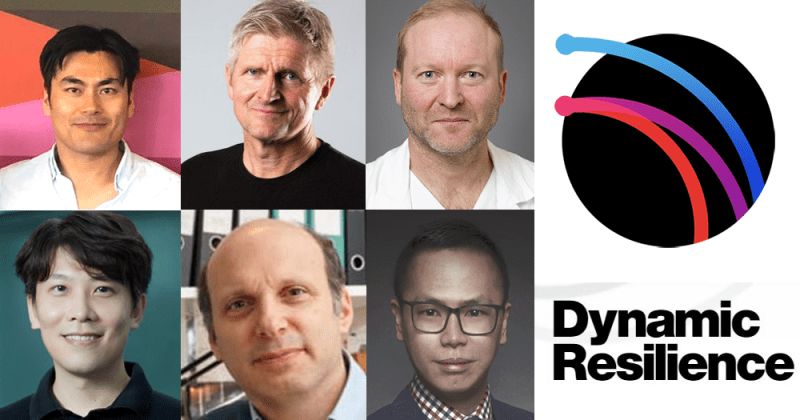
Associate Professor Evandro Fei Fang, together with his collaborators, has been awarded a multi-million dollar contract from Wellcome Leap’s Dynamic Resilience program, jointly funded with Temasek Trust, to explore why there are such large differences in the health status of older people.
“I am excited to lead this project. As a researcher on aging for more than 10 years, a key question is always why some people age so well, while many others suffer from physical decline and memory loss”, says Fang.
Is it possible to reduce the risk of delirium?
The research will focus on delirium, an acute state of mental confusion that is very common among people over 70 who are hospitalized for infection, injury or surgery, and which can lead to frailty progression and/or dementia.
“Delirium received significant attention during the pandemic, as many older patients who were hospitalized with Covid-19 developed delirium,” Fang explains, continuing:
“In this project, our goal is to understand at the very fundamental level of molecules and cells why some older adults are more at risk of delirium than others and whether it might be possible to reduce that risk, by increasing their resilience”.
Combining clinical knowledge with laboratory methods and AI
“This major funding, awarded competitively through the global ‘Dynamic Resilience’ program, gives us opportunities to explore this question both in the laboratory and in the clinic”, Fang says.
The researchers aim to study the long-running human HUNT cohorts combined with lab-based experiments and use the power of artificial intelligence (AI).
When combined, they can help Fang and collaborators to measure, predict and potentially improve dynamic resilience, the ability to recover fully from acute stressors such as major infection or injury, particularly in delirium and dementia.
He adds: “If we are successful, this project could have immediate clinical applications.”
The project includes experts in aging, delirium and dementia
Partners in the project include Professor Leiv Otto Watne at UiO and Akershus University Hospital and Professor Geir Selbæk at UiO and the Norwegian National Centre for Ageing and Health, who are national experts in delirium and dementia respectively.
The project also includes British partners, with Professor David C. Rubinsztein at the University of Cambridge, Professor Guang Yang at Imperial College London, and MindRank Technologies Limited, a company working on artificial intelligence (AI).
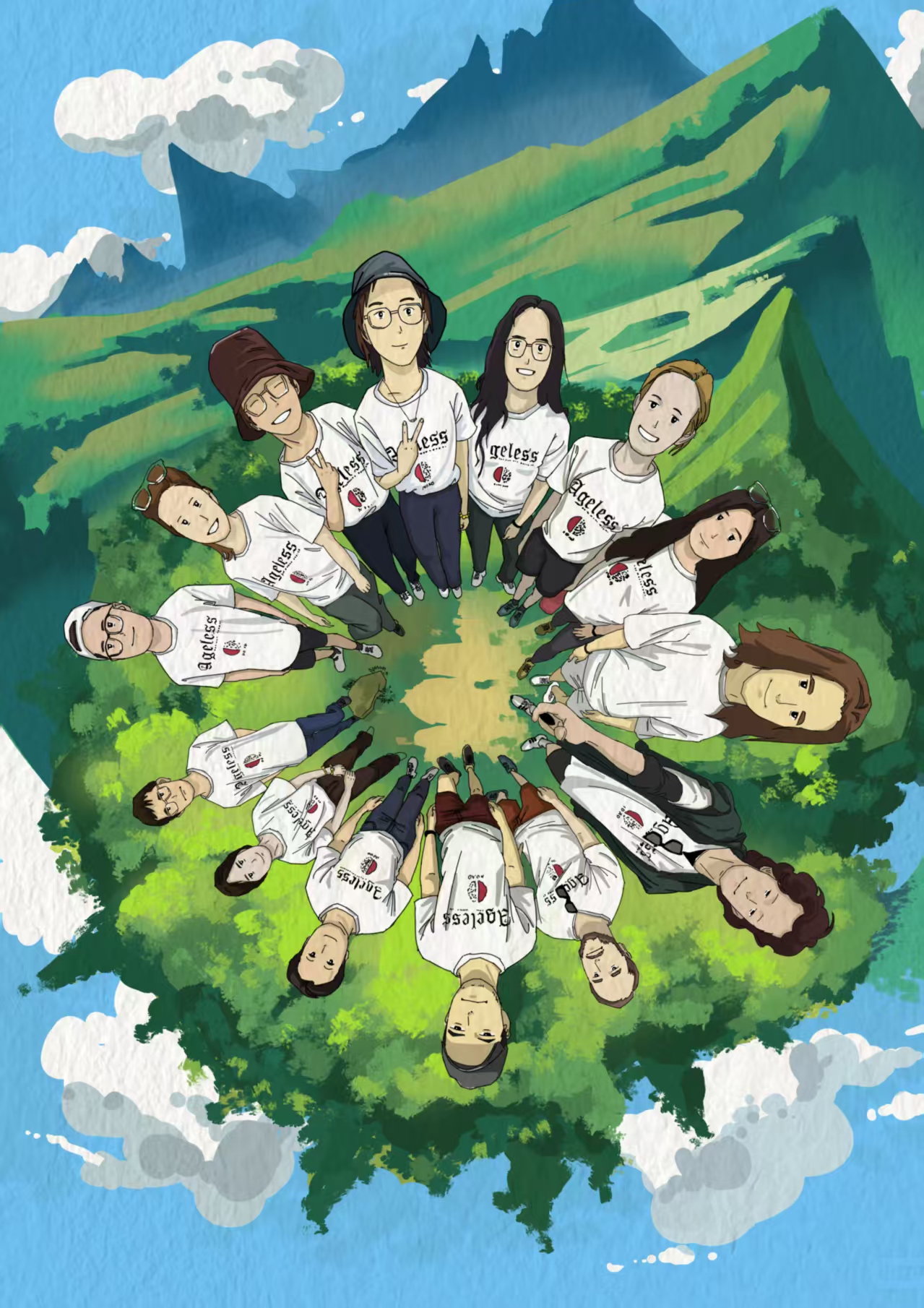
Evandro Fei Fang’s research group. Photo: He-Ling Wang.
An important and prioritized research topic
“Congratulations are in order! Aging is an important and prioritized research topic, and we are grateful that Evandro Fei Fang, Leiv Otto Watne and Geir Selbæk, along with their collaborators, have received this significant and competitive funding. This also opens the door to new sources of funding for our researchers”, Dean of Research Jan Bjaalie, says.
On 30 Nov. 2023, Alice Rui-xue AI received her doctoral degree certificate from the vice rector of the University of Oslo (UiO), Norway. What an important moment for Dr. AI and the Fang lab. Big congratulations.
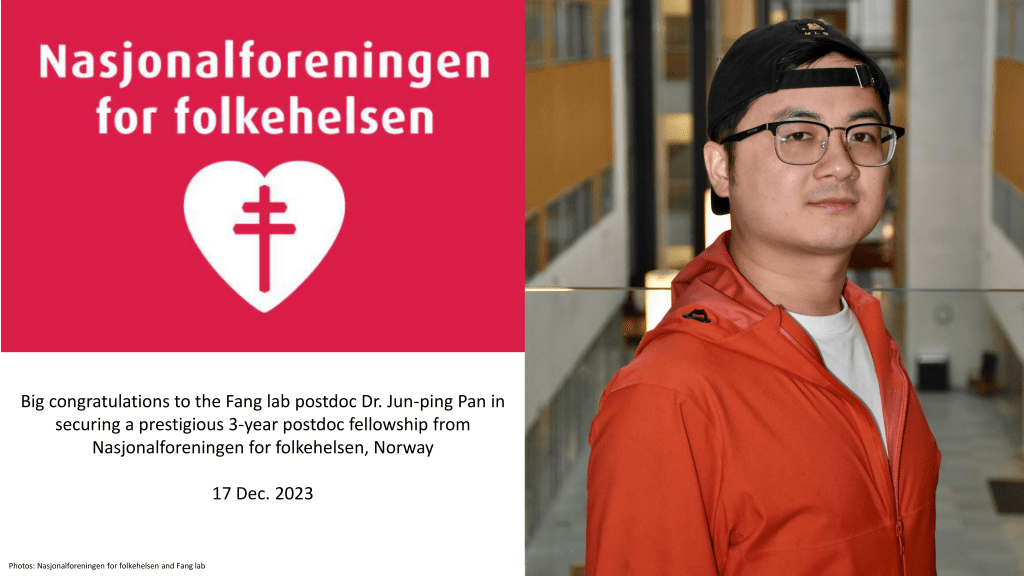
Big congratulations to the Evandro Fang lab postdoc Dr. Jun-ping Pan in securing a prestigious 3-year postdoc fellowship from the Nasjonalforeningen for folkehelsen (The National Association for Public Health), Norway. In this project, Dr. Pan will be investigating novel molecular mechanisms that lead to compromised garbage clearance in old age, especially in patients suffering with Alzheimer’s disease. He will be using animal models combined with human sampels to address the questions.
About Jun-ping Pan Junping obtained his Master’s degree from the Neuropharmacology Department of Jinan University under the supervision of Professor Huan-min Luo in 2018. He is mainly engaged in research on how methyl 3,4-dihydroxybenzoate induces neural stem cells to differentiate into cholinergic neurons in vitro. Junping worked in the Neurosurgery Department of Guangdong Women and Children’s Medical Center in 2019. He received doctoral degree in immunology from the School of Basic Medical Sciences, Jinan University under the supervision of Professor Guobing Chen and Evandro F. Fang in 2022. His PhD project was focused on ULK1 abrogation of memory loss and pathologies in 5XFAD and hTau.P301S murine models of Alzheimer’s disease. In his postdoc programme, he is continuing to study the mechanics of ULK1 in AD and the role of ULK1 in healthy aging. He is also studying the role of traditional Chinese medicine in inducing mitophagy to improve AD. His hobbies are hiking, boxing, swimming, and gourmet cooking.













































 Evandro Fang Lab