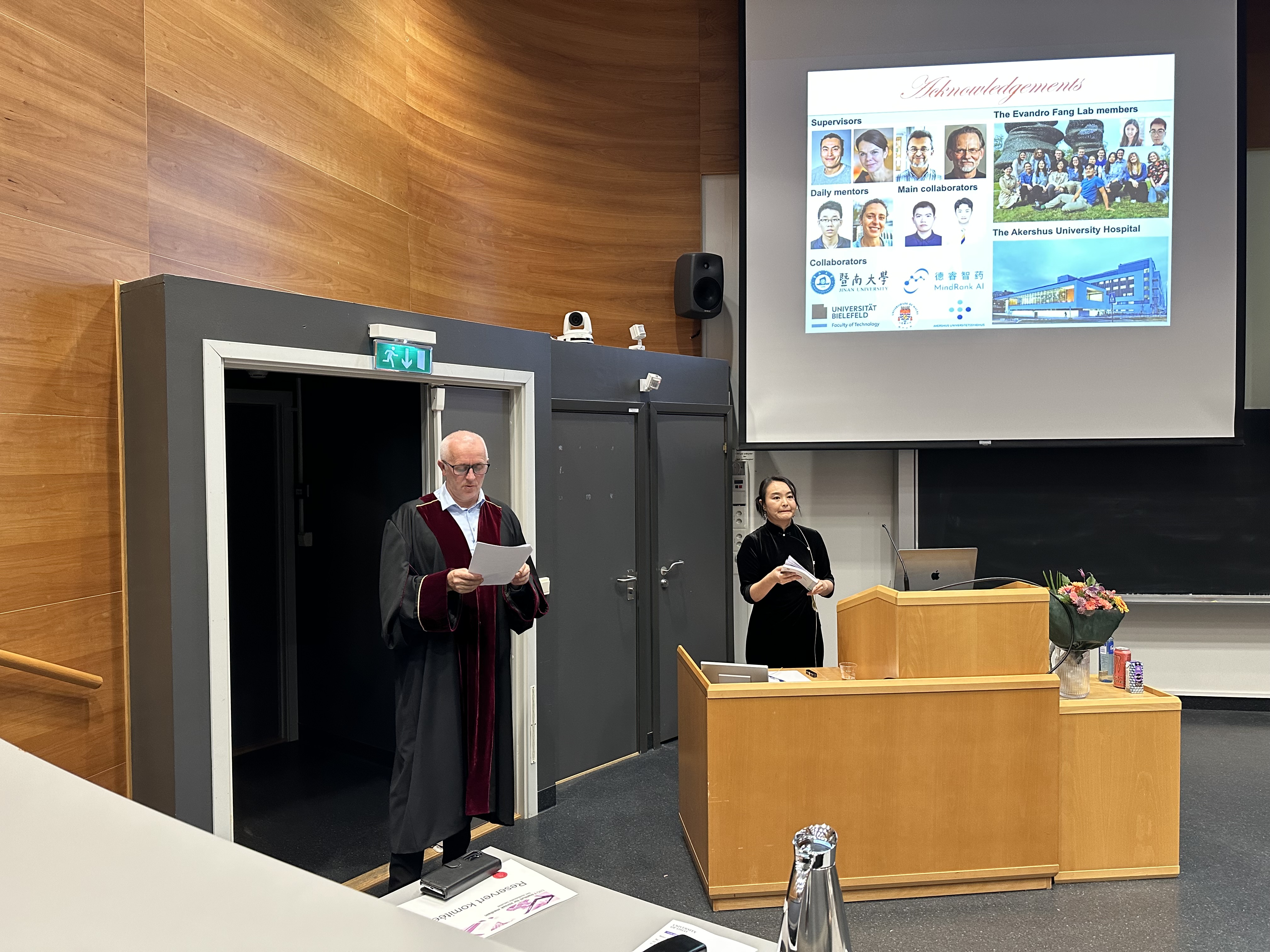
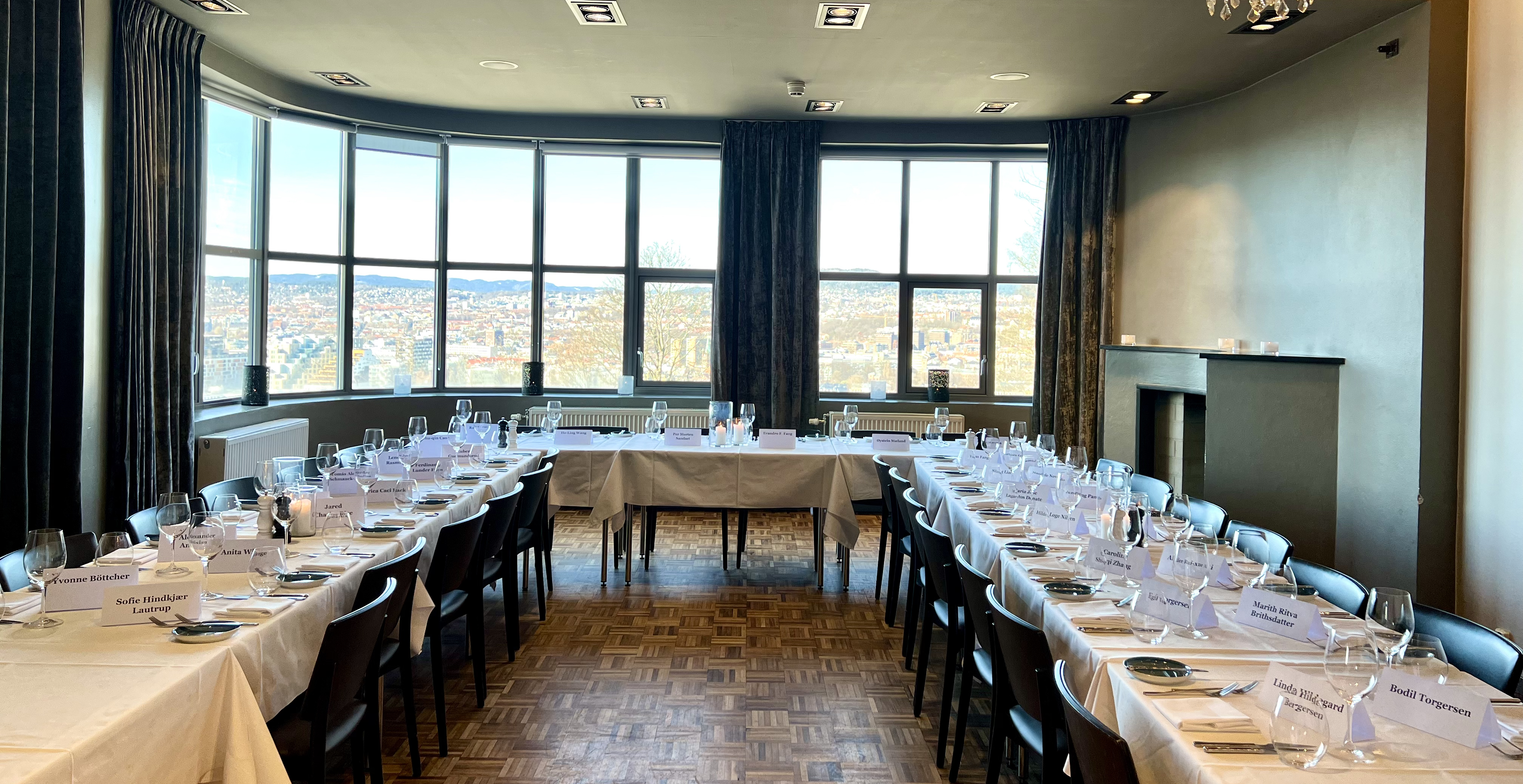
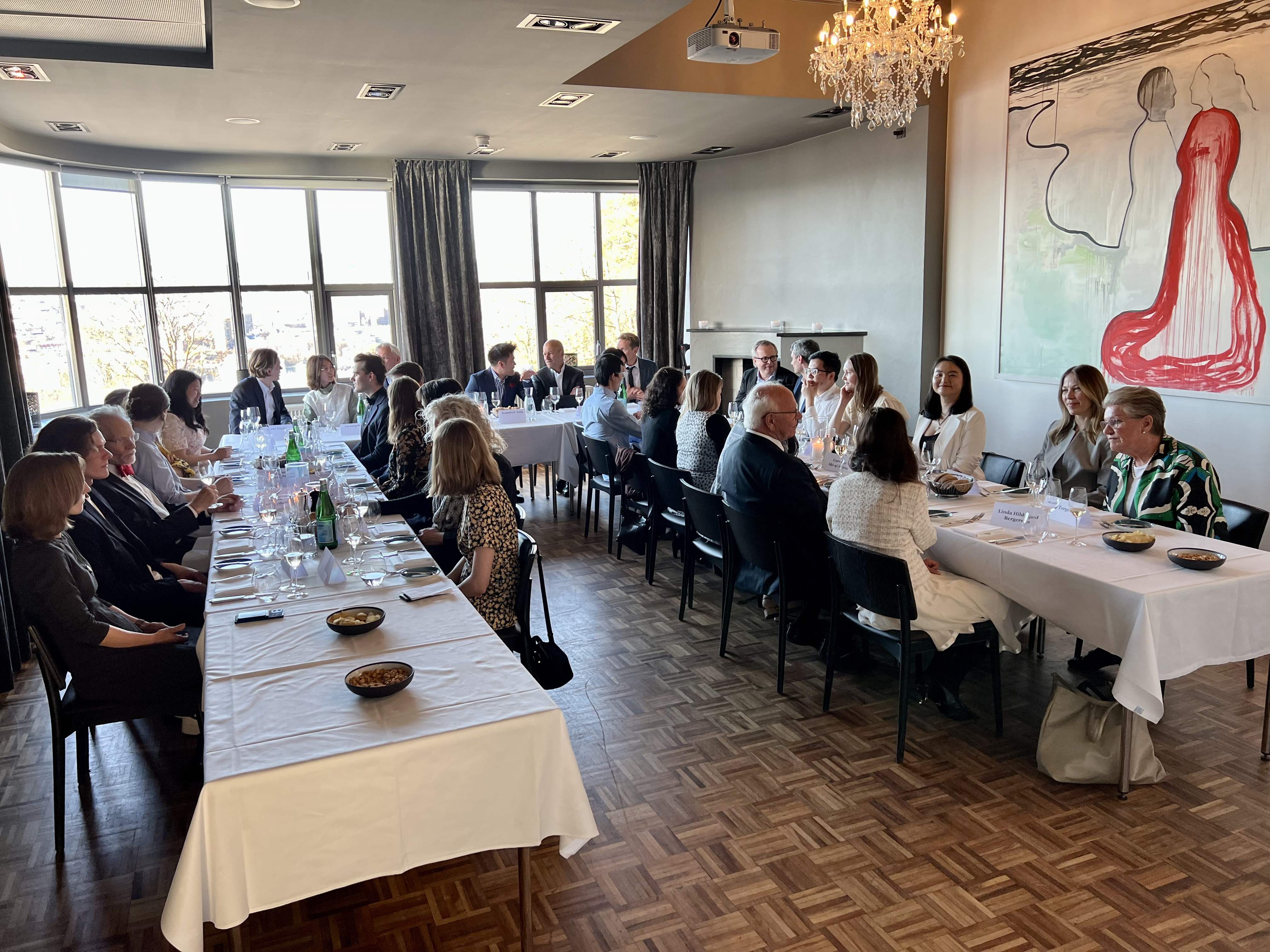
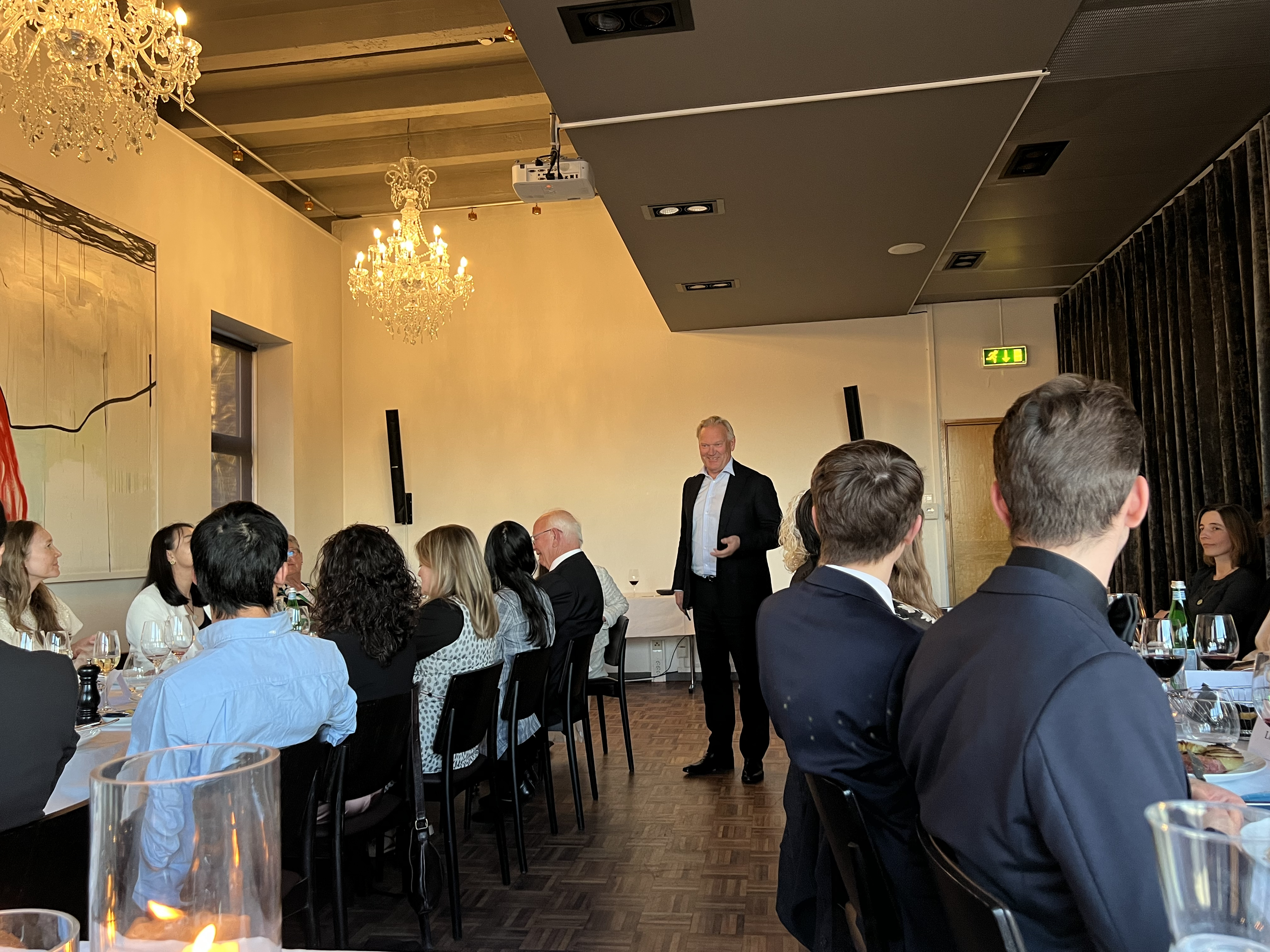
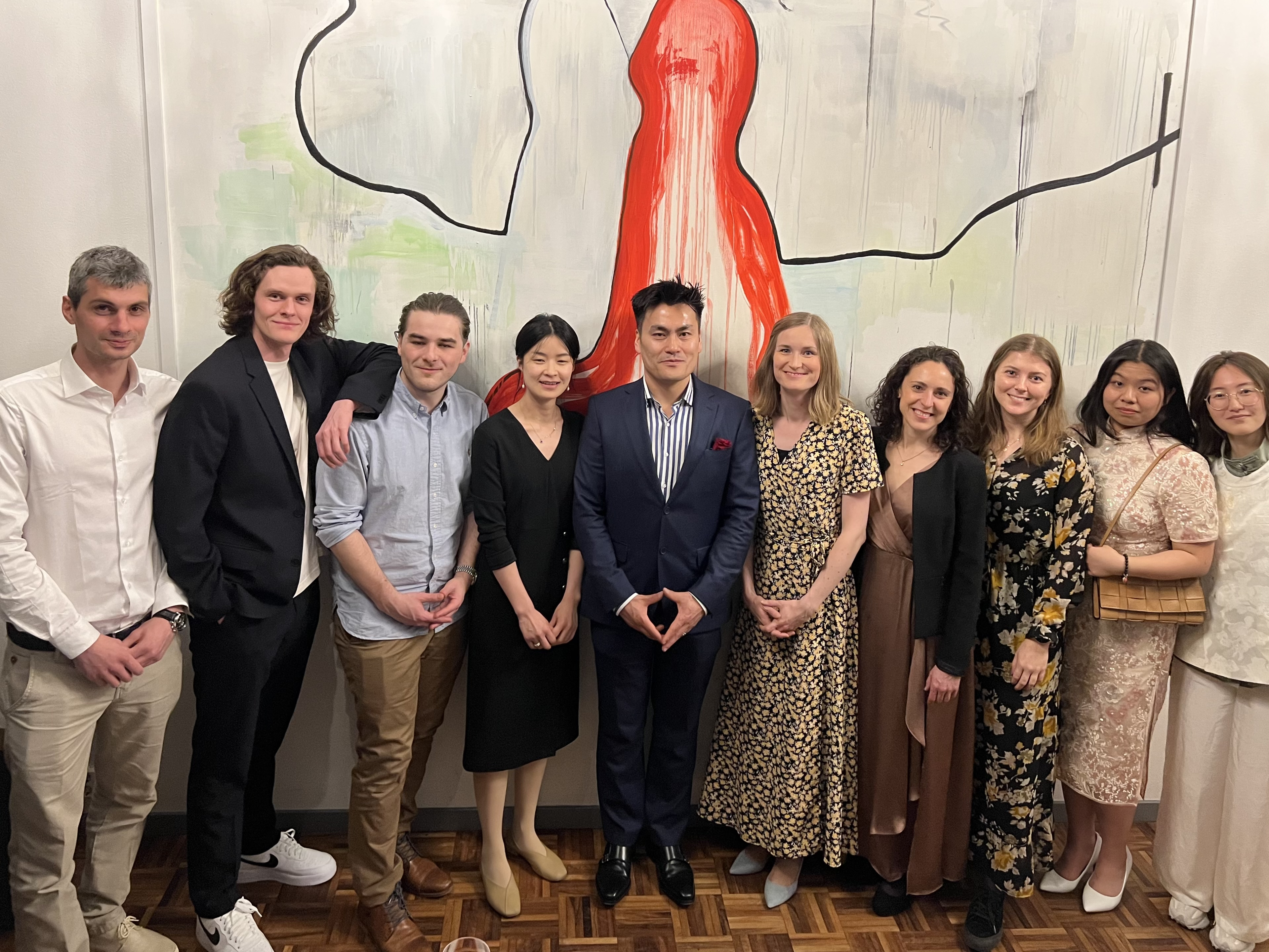
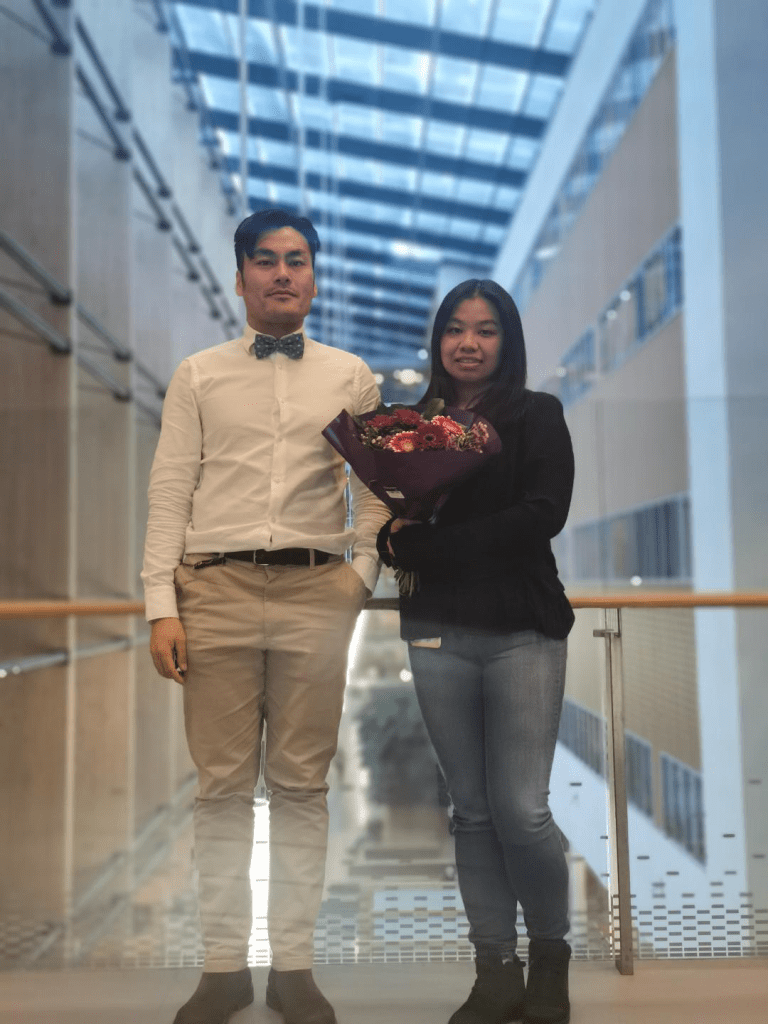
On 30 Nov. 2023, Alice Rui-xue AI received her doctoral degree certificate from the vice rector of the University of Oslo (UiO), Norway. What an important moment for Dr. AI and the Fang lab. Big congratulations.
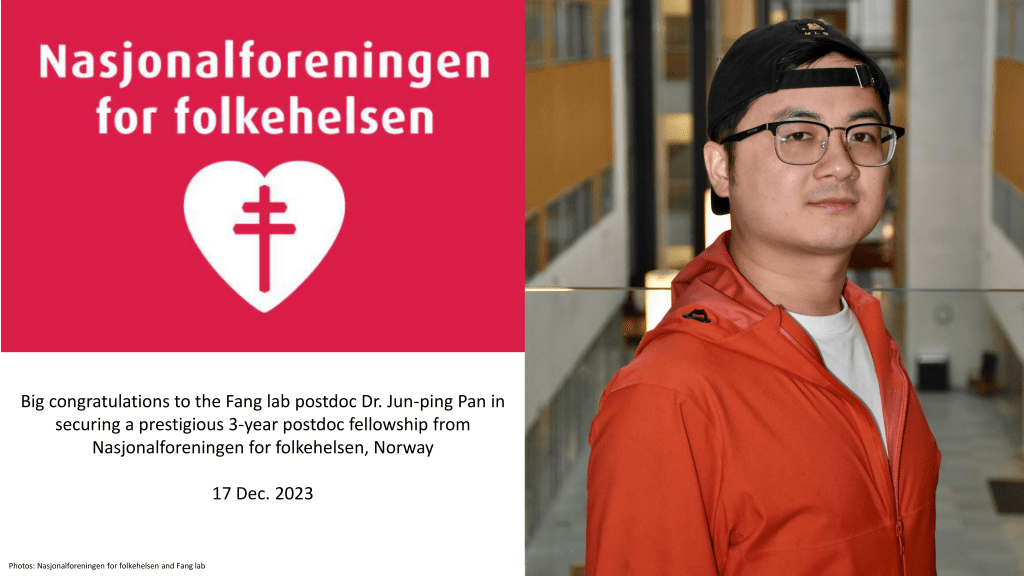
Big congratulations to the Evandro Fang lab postdoc Dr. Jun-ping Pan in securing a prestigious 3-year postdoc fellowship from the Nasjonalforeningen for folkehelsen (The National Association for Public Health), Norway. In this project, Dr. Pan will be investigating novel molecular mechanisms that lead to compromised garbage clearance in old age, especially in patients suffering with Alzheimer’s disease. He will be using animal models combined with human sampels to address the questions.
About Jun-ping Pan Junping obtained his Master’s degree from the Neuropharmacology Department of Jinan University under the supervision of Professor Huan-min Luo in 2018. He is mainly engaged in research on how methyl 3,4-dihydroxybenzoate induces neural stem cells to differentiate into cholinergic neurons in vitro. Junping worked in the Neurosurgery Department of Guangdong Women and Children’s Medical Center in 2019. He received doctoral degree in immunology from the School of Basic Medical Sciences, Jinan University under the supervision of Professor Guobing Chen and Evandro F. Fang in 2022. His PhD project was focused on ULK1 abrogation of memory loss and pathologies in 5XFAD and hTau.P301S murine models of Alzheimer’s disease. In his postdoc programme, he is continuing to study the mechanics of ULK1 in AD and the role of ULK1 in healthy aging. He is also studying the role of traditional Chinese medicine in inducing mitophagy to improve AD. His hobbies are hiking, boxing, swimming, and gourmet cooking.
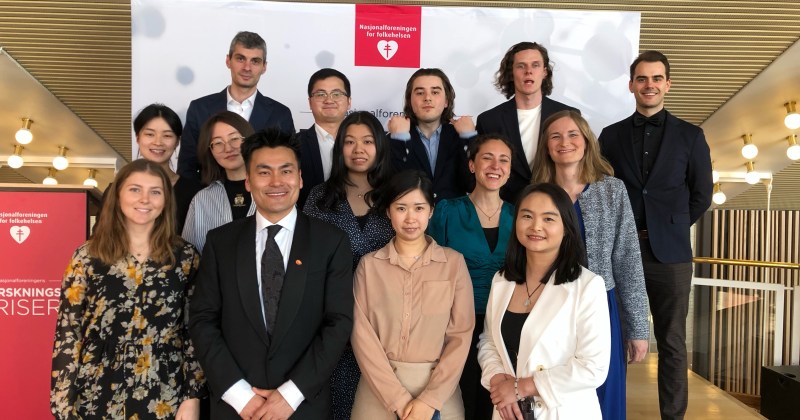
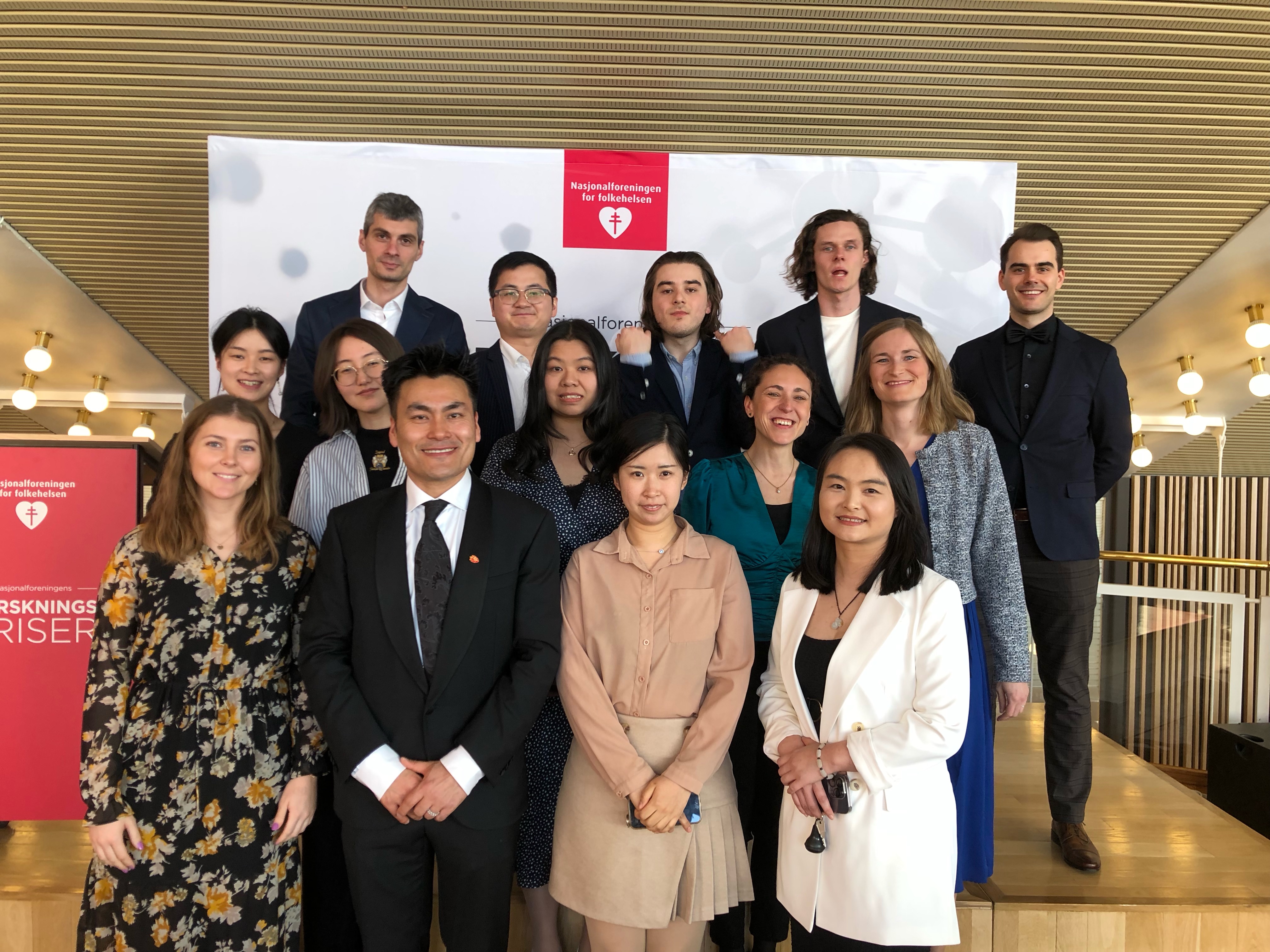
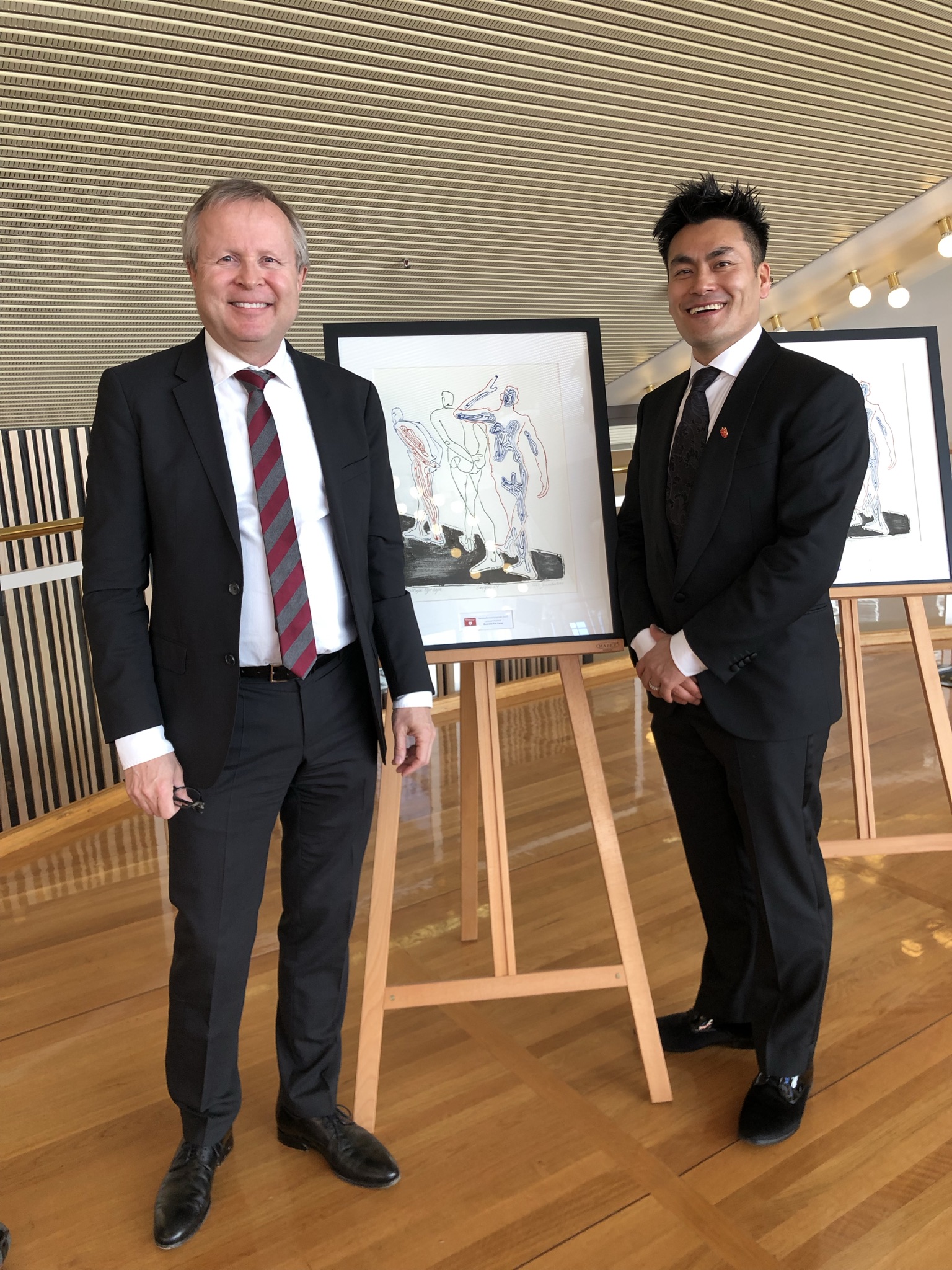
Utdeling av Nasjonalforeningen for folkehelsens forskningspriser ved H.M. Kong Harald. F.v Prisvinnere Evandoro Fei Fang og Dan Atar. The king together with the laureates of this year’s research awards: Dan Atar (middle) for research on cardiovascular disease and Evandro Fei Fang (left) for research on dementia. Photo: Nasjonalforeningen for folkehelsen
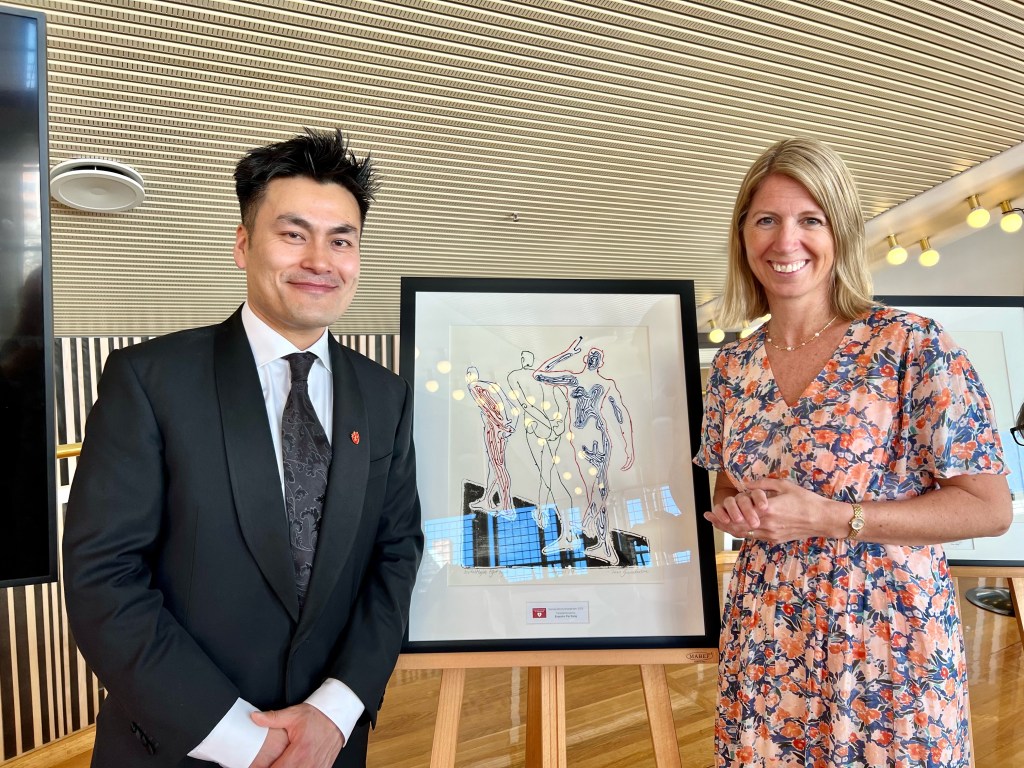
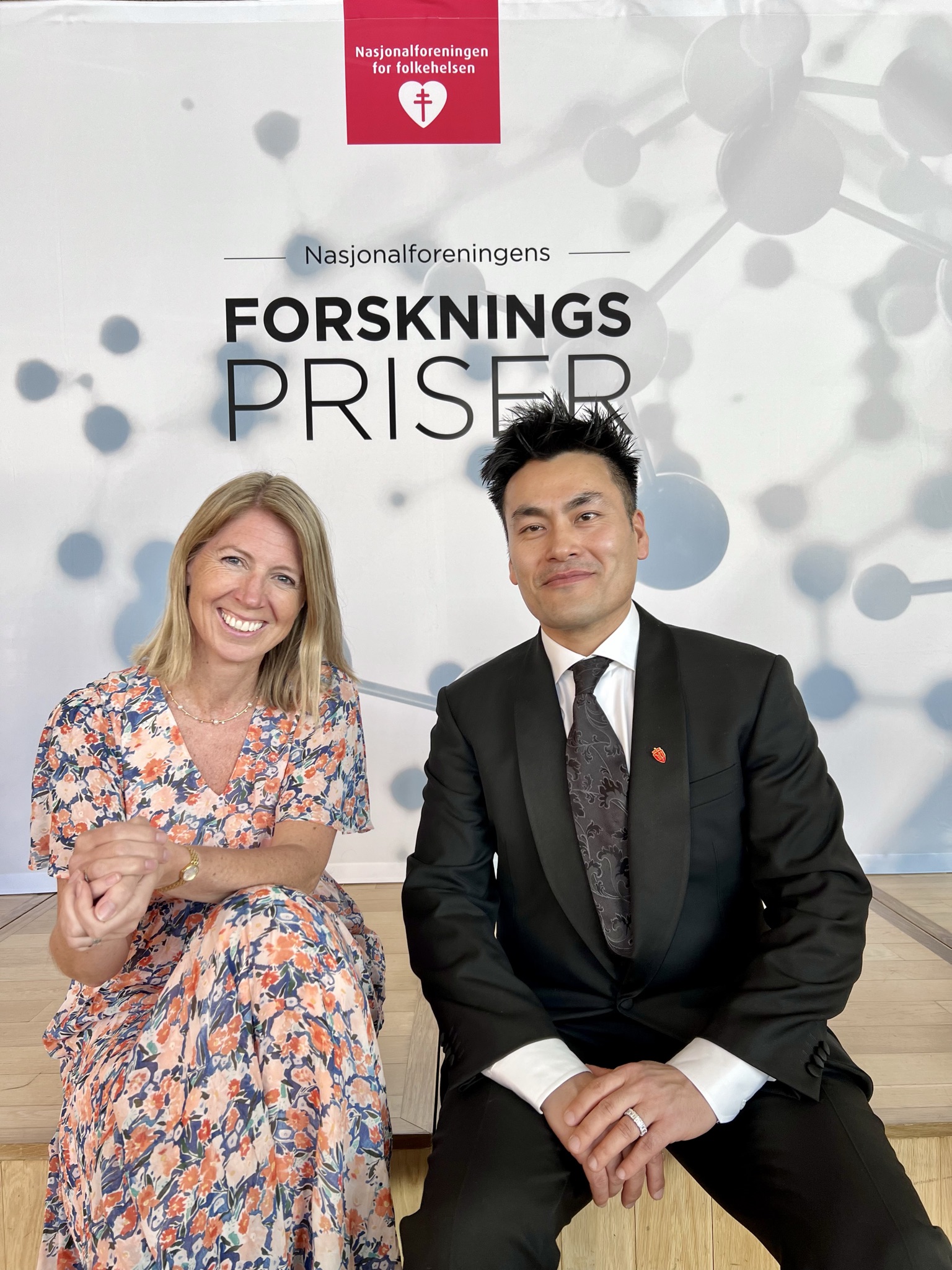
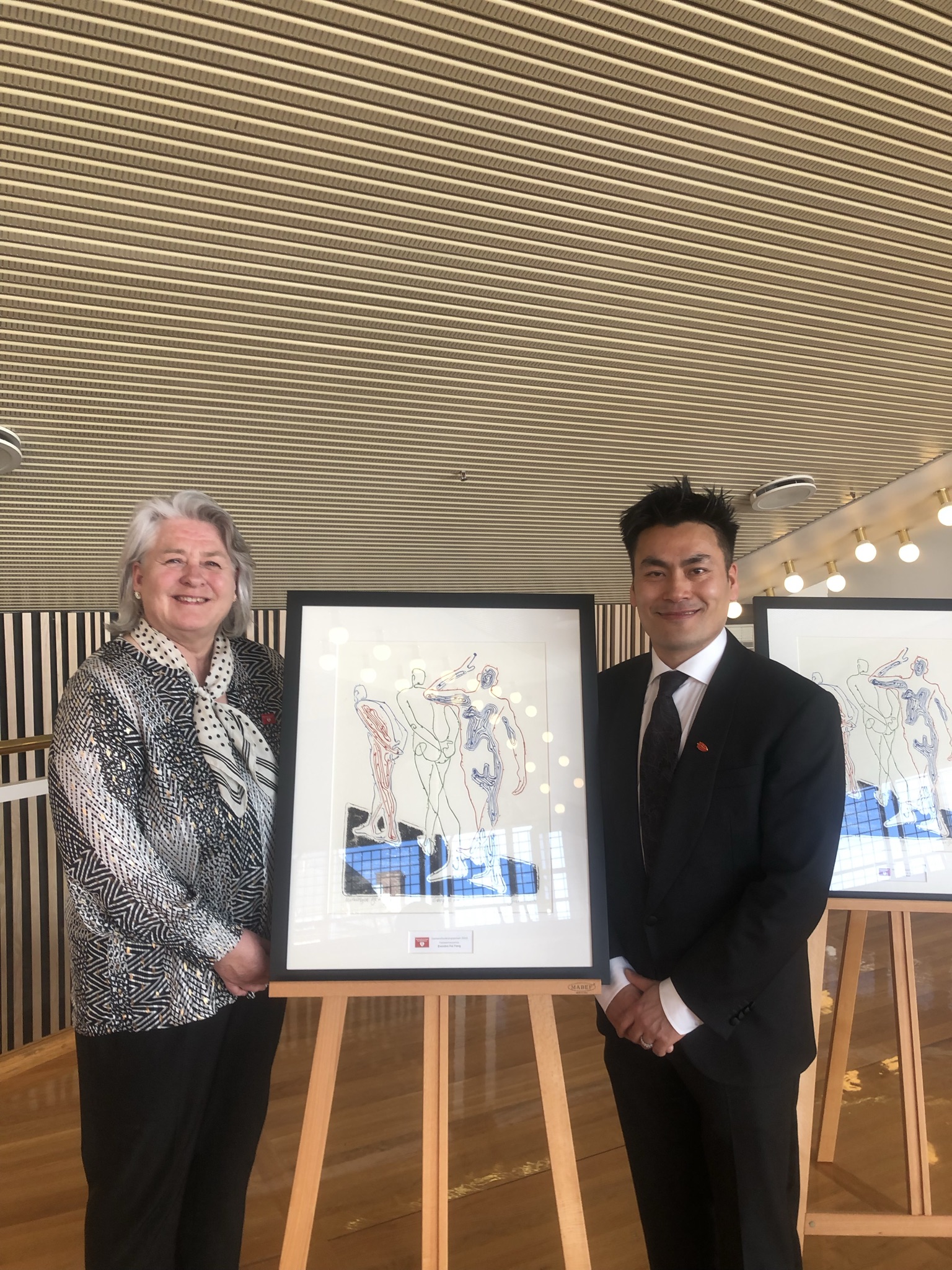
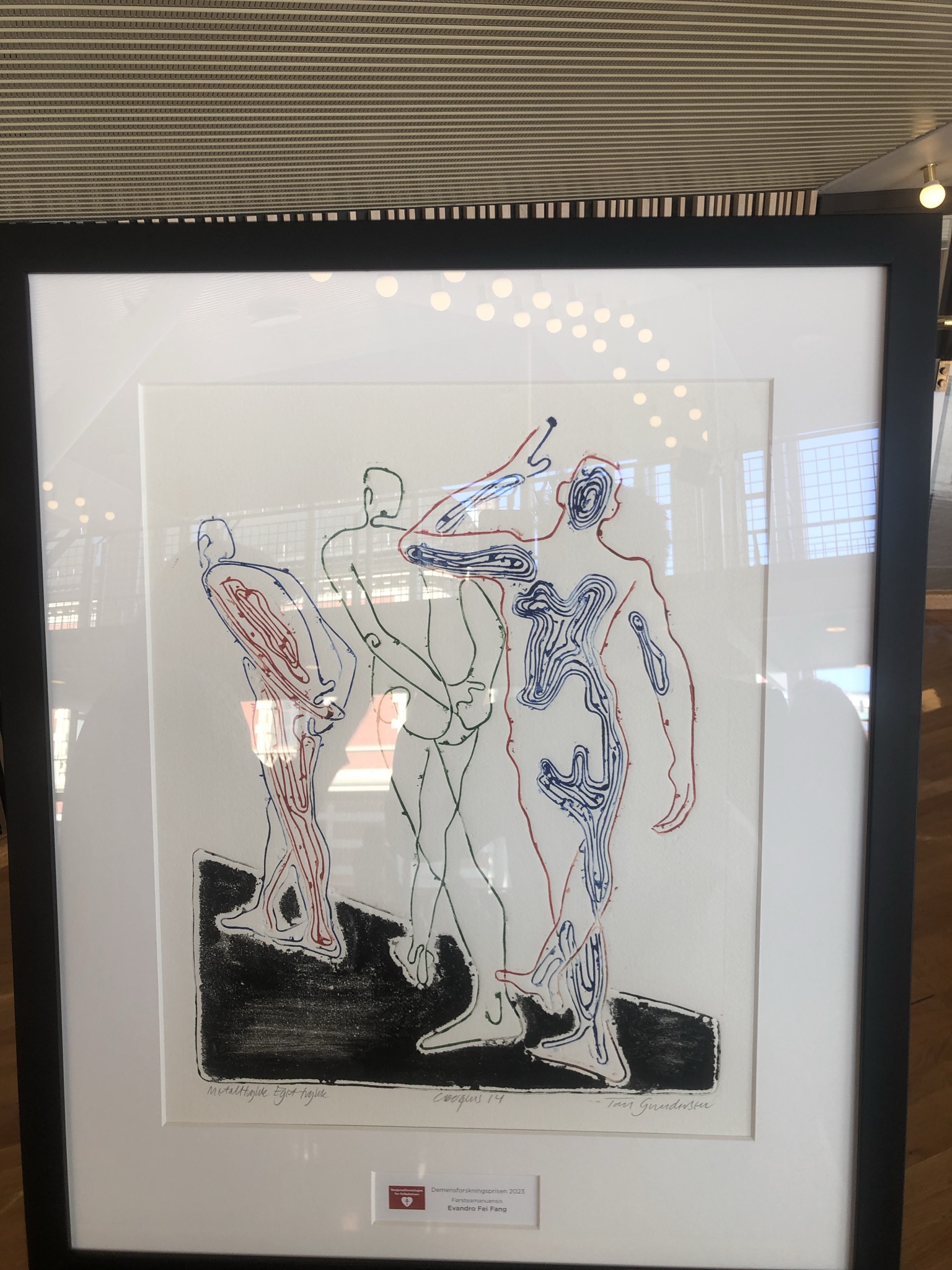
Evandro Fang and Mina Gerhardsen (general secretariat of the National Association for Public Health) are in front of the gift of the award, an art of ageing. Photo: Nasjonalforeningen for folkehelsen
On April 18 2023, researcher Evandro Fei Fang at the University of Oslo and Akershus University Hospital is the winner of the National Association for Public Health’s Dementia Research Prize for 2023.
His work in the search for effective drugs against Alzheimer’s disease is described as “groundbreaking”.
At the same time, Fang reminds that all good forces must make a joint effort to fight the disease that affects many of us.
Network for knowledge exchange Over the past five years, Evandro Fei Fang has contributed to establishing networks for knowledge exchange between dementia researchers, held lectures about the research and his findings at prestigious universities worldwide and put the fight against dementia on the map and agenda in a number of ways.
The main reason for the award is also a concrete solution proposal Fang and his research team have put forward regarding a mechanism for removing damaged mitochondria in the brain. This track is referred to by several as “groundbreaking” in the search for effective medication against Alzheimer’s disease.
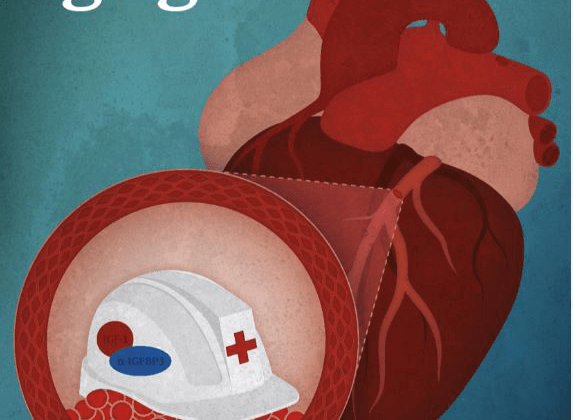
Garbage in the brain – We believe that a main reason why we experience memory loss and other cognitive impairments when we get older is that a lot of “rubbish” accumulates in our brains over time. There is a “garbage truck” (termed “autophagy” in biology) in the brain that normally clears this away when we are younger, he says.
– When we age, however, this “garbage truck” becomes less efficient. The question is, why does this function lose effectiveness? There are several reasons, but an important element is that the garbage truck’s “engine” (termed “mitochondria” in biology) begins to wear out after many years of work. And if the engine goes on strike, the garbage truck doesn’t work well.
From theory to dementia drugs? His hypothesis about what goes wrong when the form of dementia develops is also far more than an exciting theory. The mechanism has been replicated in studies carried out by several other research teams in a number of countries, which strengthens the belief in the potential medicinal value.
This understanding of Alzheimer’s has also led to Fang and his research team identifying two promising components which they hope can be further developed into effective medicines against the disease.
Evandro Fei Fang emphasizes the belief that this track can eventually lead to a better everyday life for those of us affected by Alzheimer’s.
– We should concentrate on repairing the garbage truck’s engine. The reason why we have different forms of plaque in the brain, and thus defining features of the disease picture in an Alzheimer’s diagnosis, is because this rubbish is created, but not removed. We need to add energy that restarts the engine and gets this cleaning process in the brain going again, says the award winner.
Cure requires community-wide dedication At the same time, for Evandro Fei Fang, the fight against dementia is something that cannot be won on one’s own. He wants a joint boost against the disease, and believes we all play a key role on the road to a better future for people with dementia and their relatives.
– Our understanding of dementia and how we find the way to an effective drug against Alzheimer’s does not rest only on one lab or one research team. The whole society must work towards the same goal, not least in terms of funding. Our financial contributors, the ability to collaborate, the infrastructure around research and support from politicians and decision-makers are all very important elements. We must all play as a team if we are to manage this, he emphasizes.
The researcher is also clear about how much it means that ordinary Norwegians are on the team.
– Every kroner we receive in support moves us a small step towards the big goal. The support from private individuals through the National Association for Public Health is therefore very important to those of us who work with this every day. I hope and believe that what we are working on will be able to give a great deal of value back to society in the form of better prevention and better treatment of Alzheimer’s disease. My big thanks go to everyone who donates to the cause, says Evandro Fei Fang emphatically.
The jury’s reasoning Since 2 October 2017, Evandro Fei Fang has been employed as a researcher at UiO, where he has established a very active group and conducts research on ageing and dementia at an internationally high level.
Fang and his colleagues have put forward a new etiological hypothesis for Alzheimer’s disease – defective mitophagy, the mechanism for removing damaged mitochondria (damaged engine of the garbage truck), the cells’ energy supply.
This hypothesis has been very well received in the competitive Alzheimer’s field with 676 citations to his 2017 article in Nature Neuroscience as of April this year.
The proposed mechanism is supported by trials in many species and welcomed in the international trade press (among others Kingwell 2019 Nat Rev Drug Discov) and international media. An editorial in Nat Rev Drug Discov points out that increasing mitophagy is a new and promising strategy for the treatment and prevention of Alzheimer’s disease.
The studies provide immediate clinical translation, since Fang has characterized several mitophagy-induced substances, e.g. the NAD+ precursor nicotinamide riboside (NR), and the naturally occurring urolithin (UA), as potential drugs against Alzheimer’s, and is now participating in clinical testing of NR in Alzheimer patients.
Very recently, the Fang laboratory has made an important new discovery: they used artificial intelligence with wet-lab validation in AD animals, and have identified two mitophagy-inducing ‘lead compounds’ as robust anti-AD drug candidates.
Since 2003, over 250 drugs have been in clinical testing for Alzheimer’s, but almost all have failed. The substances have mostly only been aimed at eliminating Aβ plaques and Tau tangles. It therefore seems necessary to focus on other mechanisms.
Fang and colleagues have proposed that impaired function of the NAD+-mitophagy axis is a ‘new’ etiological mechanism for AD. Fang has shown that NAD+ treatment increases mitophagy and counteracts memory loss in 4 animal models of Alzheimer’s. This has high clinical relevance, in the short and long term: Nicotinamide riboside (NA), which is converted to NAD+ in the body, is absorbed easily after oral administration without known toxicity. Clinical trials of NR on AD patients are in progress.
In Chinese 挪威国王哈拉尔五世(Harald V av Norge)向方飞(Evandro Fei Fang)副教授颁发挪威国家公共卫生协会痴呆症研究奖
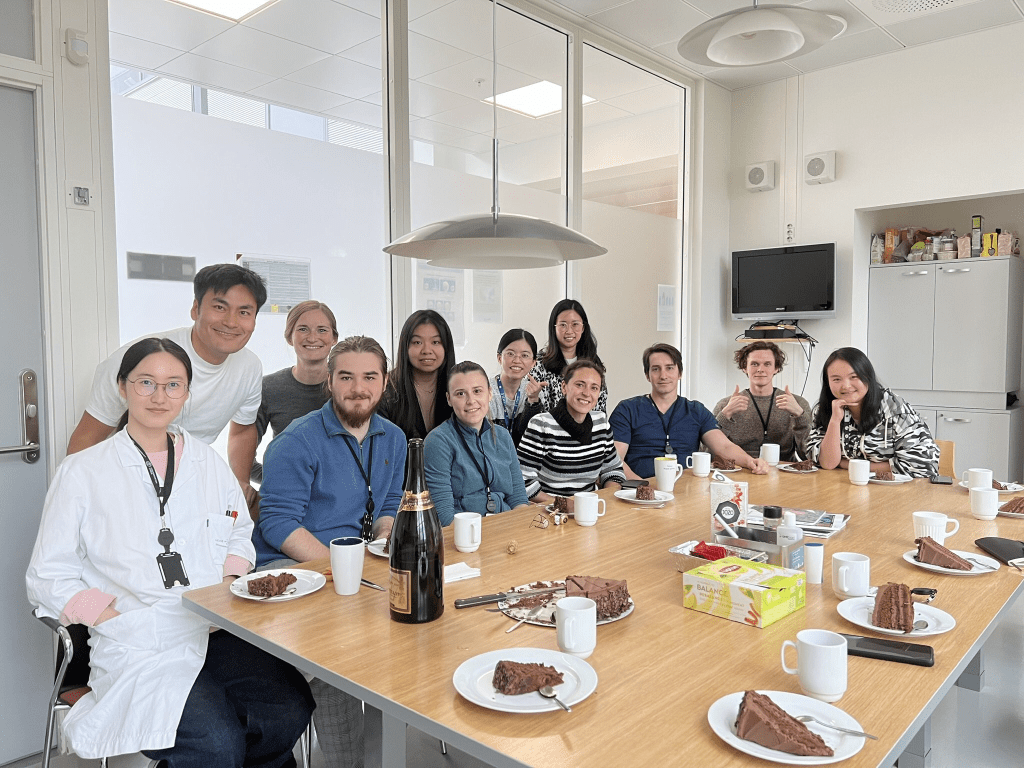
While the Fang lab was opened on the 2nd Oct 2017, this week we are celebrating the 5th year anniversary of the Fang lab at the Universtiy of Oslo (UiO) and the Akershus University Hospital (Ahus), Norway.
Some bulleted summary 1. We have 25 young students trained by the Fang lab and are now in their new chapters of career development (https://evandrofanglab.com/alumni/). 2. Two postdocs have secured good positions: Yahyah Aman, Ph.D. (King´s College London), Postdoc Fellow (2018.02-2021.01); Current position: Researcher at UCL, UK; currently Associate editor at Nature Ageing. Chenglong Xie, Ph.D. (Shanghai Jiaotong U.), Postdoc Fellow (2019.09-2020.11); Current position: Faculty at Wenzhou Medical University, China. 3. Over 55 papers published in the last 5 years, including papers in Nature Neuroscience (2019), Cell Metabolism (2019, postdoc and then researcher Dr. Sofie Lautrup as first author), Nature Ageing (2021, Postdoc Dr. Yahyah Aman and DPhil student Tomas Schmauck-Medina as co-first authors), and Nature Biomedical Engineering (2022, Postdoc Chenglong Xie and student Alice Rui-xue Ai as co-first authors). https://evandrofanglab.com/publications/ 4. We have been in the news in VG among others https://evandrofanglab.com/news-and-events/ 5. As a member in a joint EU grant on the study of NAD in healthy ageing: https://lnkd.in/driikYM9 6. In the toughest funding period (around 5% in the renewal category): https://lnkd.in/dpnVzXXR 7. Our AI-based identification of mitophagy inducers as drug candidates of Alzheimer’s disease: https://lnkd.in/eD5rWbU9
Greetings from the Fang lab current members : video (you can not miss it)
I am writing to congrats all the former and current summer/exchange students of the Fang Laboratory for their amazing achievements:
Our 2022 summer student Espen Opseth (bachelor student at UiO, Norway) is enjoying his summer training on ageing and Alzheimer’s disease. Summer student Marisa Khanokwan Børthus just finished her summer intern here and she was so pleased in learning the ways to ‘quantify ageing’. They were in the Norwegian newspapers everywhere in this summer! Their daily mentor is/was Dr. Shu-qin Cao. https://twitter.com/TheFangGroupUiO/status/1540222019102457856
Our 2021/2022 ERASMUS student Beatriz Escobar Doncel (bachelor University of Alcalá (UAH), Spain) is working on several interesting projects related to mitophagy and Alzheimer’ disease. Her mentors have been Alice Rui-xue Ai and Maria Jose Donate.
Our 2021 exchange student Bjoern Olaisen (currently bachelor student at King’s College London, UK) is doing an excellent summer intern in Prof. David Sinclair Laboratory at Harvard Medical School: https://twitter.com/TheFangGroupUiO/status/1553134804073418752. His daily mentor was Dr. Sofie Lautrup.
Our 2022 summer student Mats Landfald (bachelor student at UiO, had half a year exchange at UC Berkeley) said he had a wonderful training experience at the Fang lab with the learning of many techniques from scratch. His daily mentors were Dr. Janet Zhang and DPhil student He-ling Wang. https://twitter.com/TheFangGroupUiO/status/1551342384415399938
Our 2021/2022 ERASMUS student Mr. Adrian Moliere (Albert-Ludwigs-University in Freiburg, Germany) just got an offer of a master programme at ETH, Switzerland. Big congrats Adrian! His daily mentors were Dr. Janet Zhang and DPhil student He-ling Wang. https://twitter.com/TheFangGroupUiO/status/1513509937506398209
Thank you to all the daily mentors for your time, patience, and big efforts in training the ‘new comers’! And big congrats to the exchange/summer students: hard work pays off.
Evandro Fang gives a talk entitled ‘Accessible approaches to fight against ageing’ moderated by Trygve Holmøy. Photo: He-ling WangPanel discussion. From left: Rektor Svein Stølen, Leder Trygve Holmøy, Administrerende direktør Øystein Mæland, and Leder Campus Ahus Torbjørn Omland Photo: He-ling WangPhoto: He-ling Wang
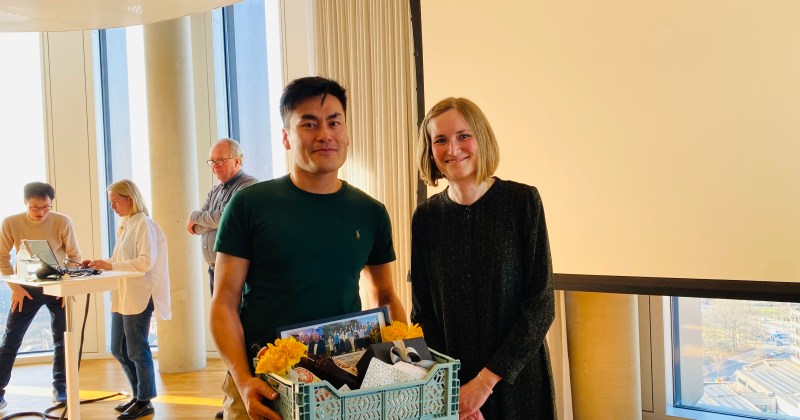
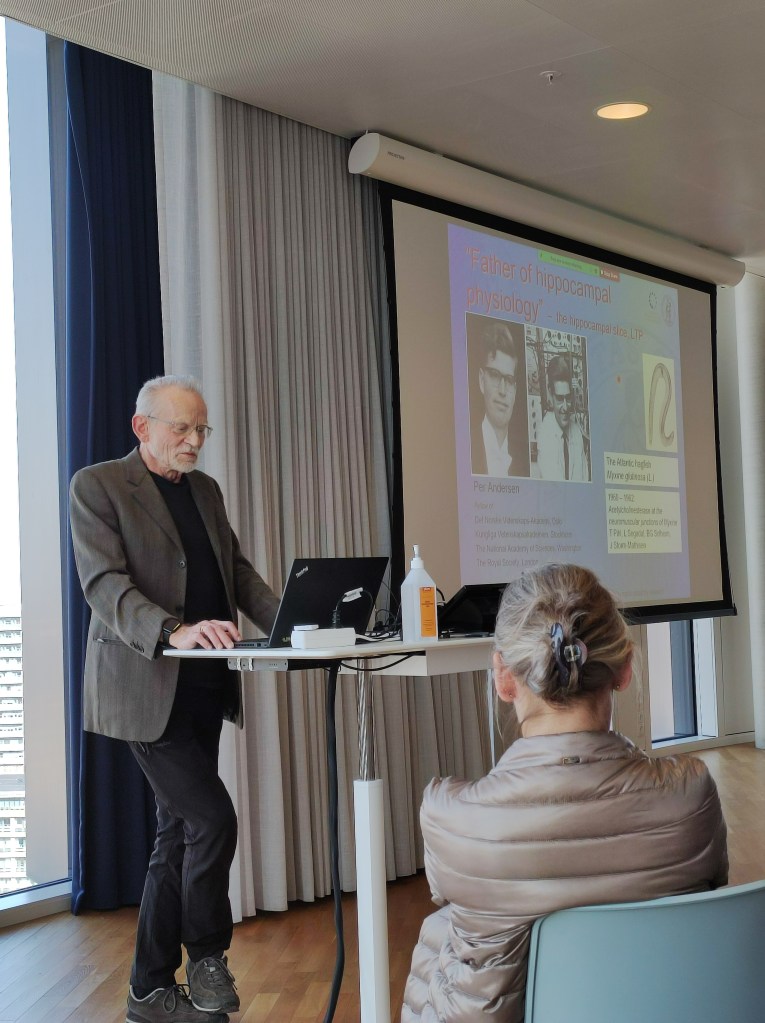
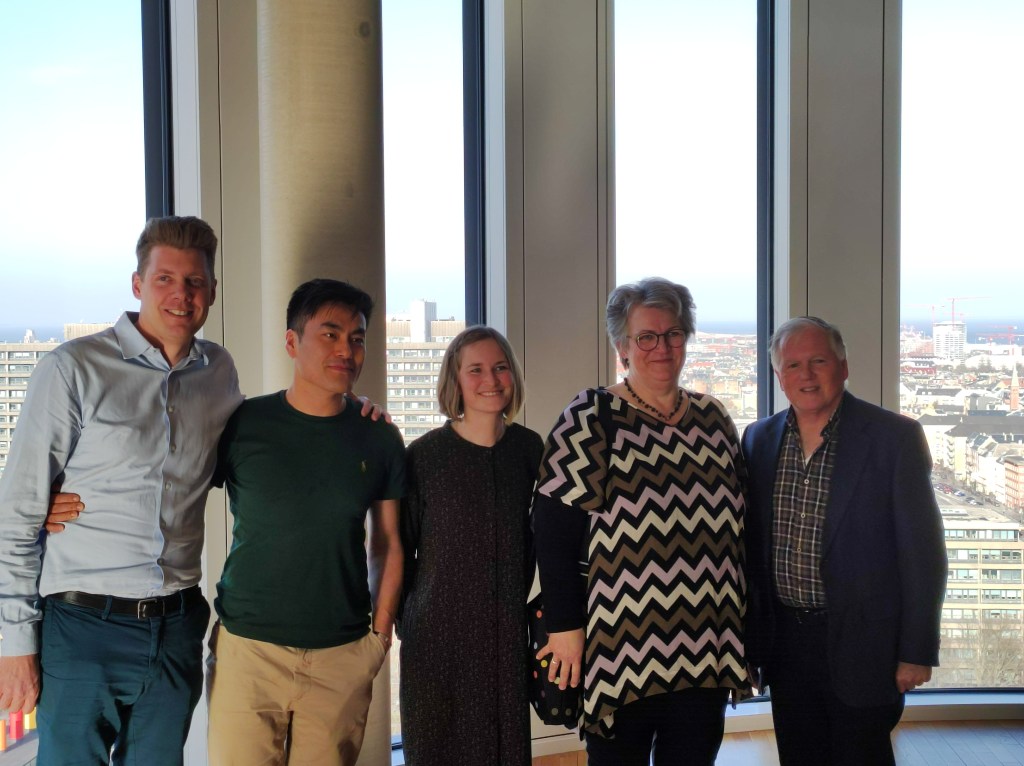
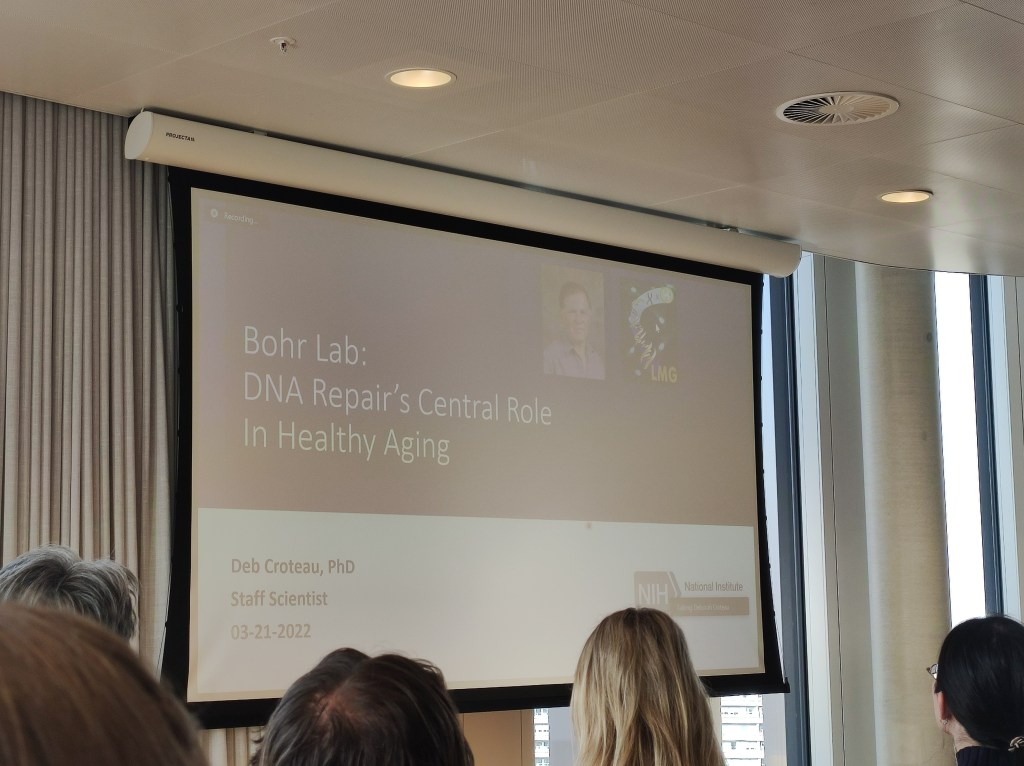
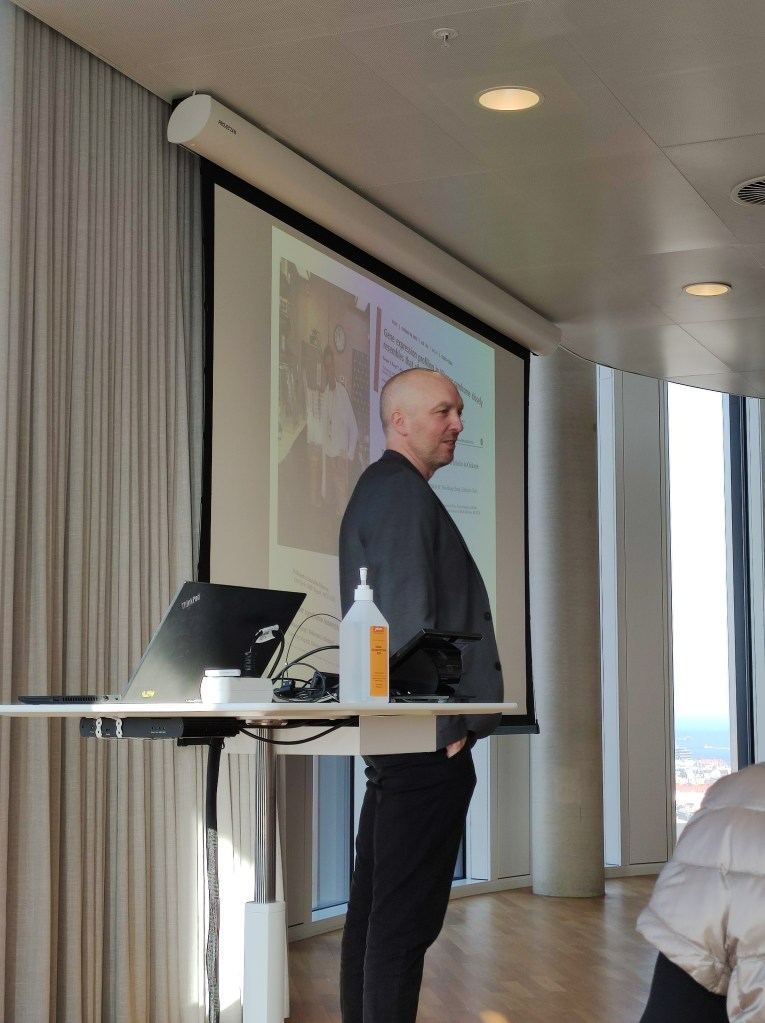
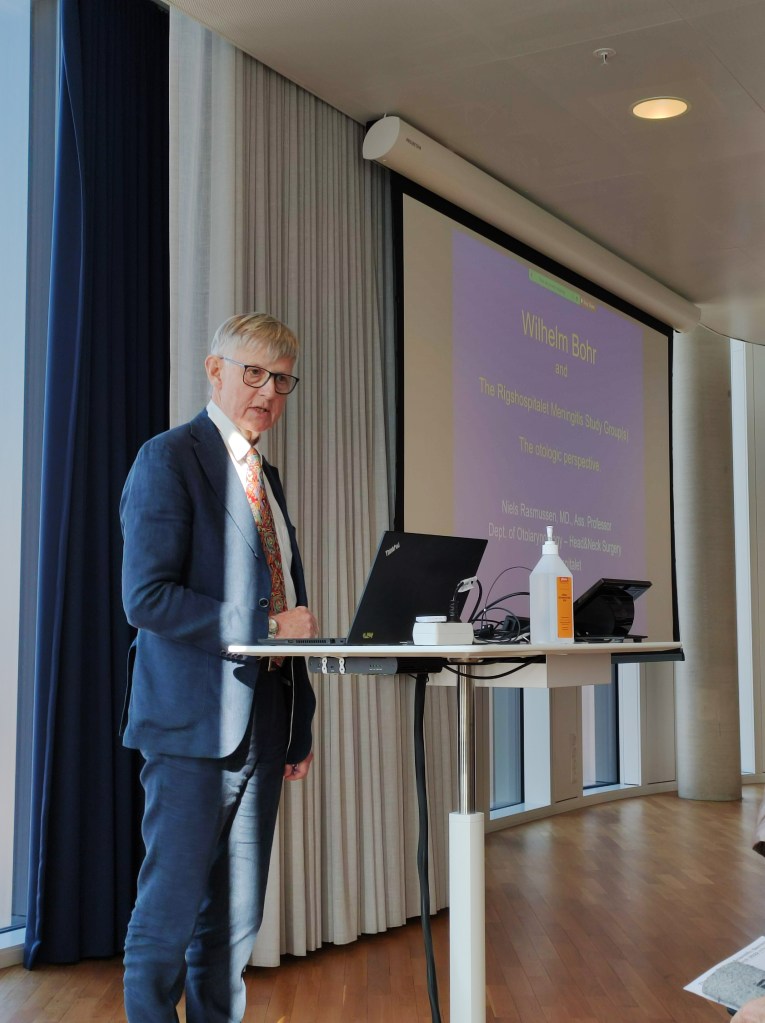
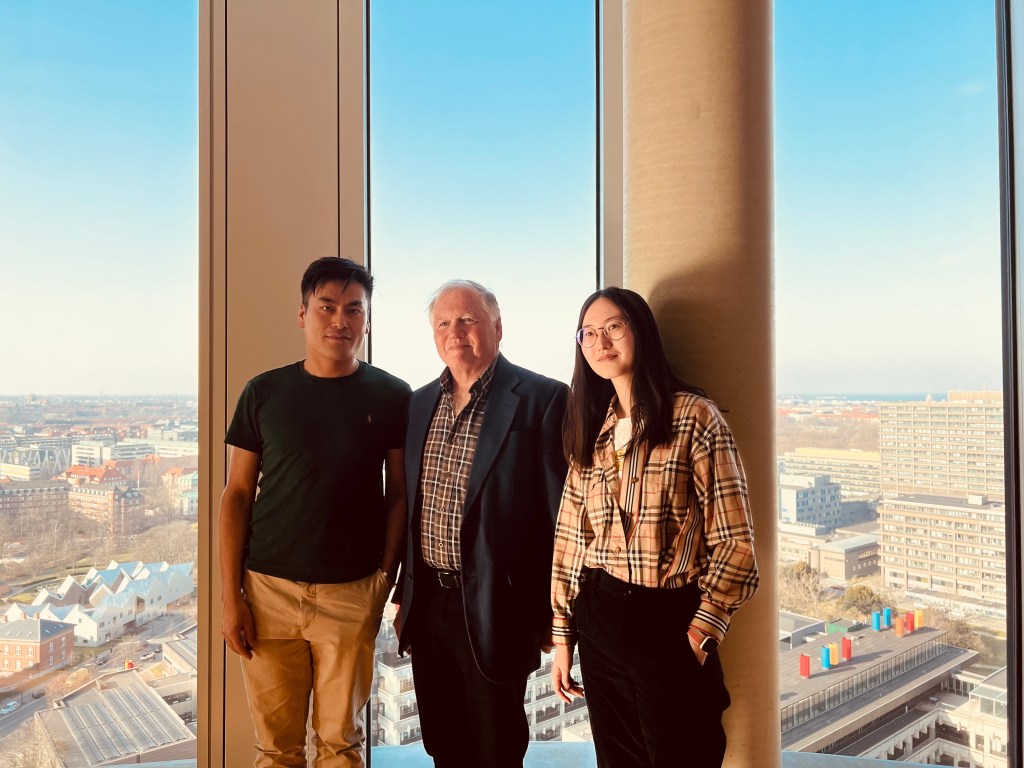
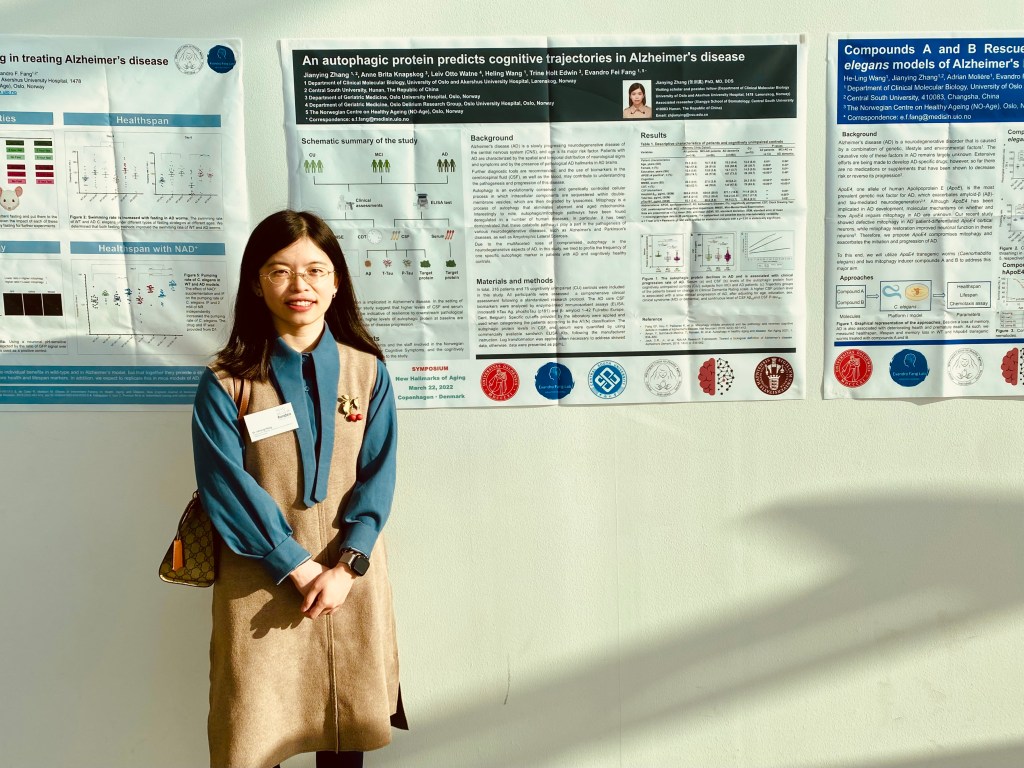
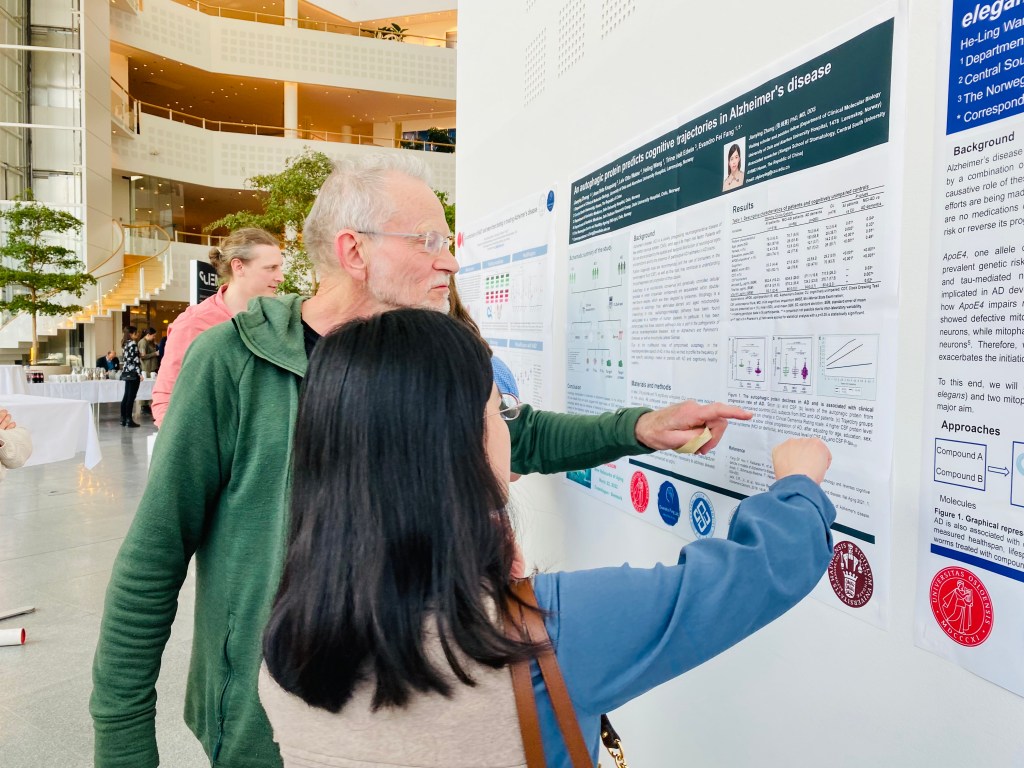
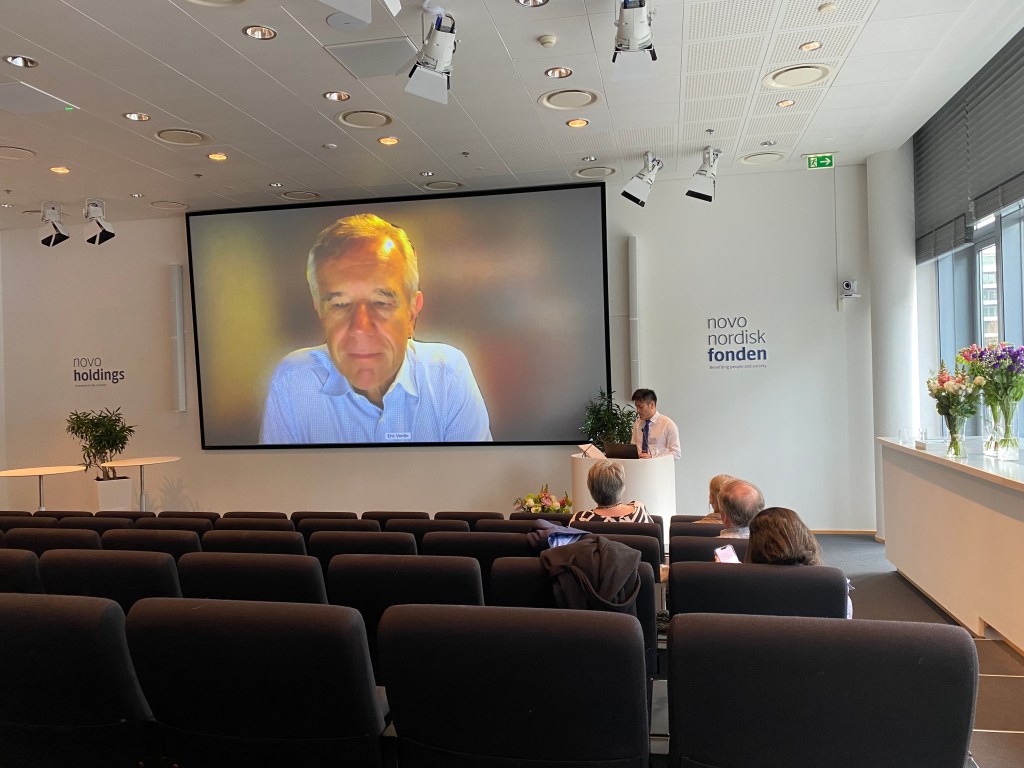
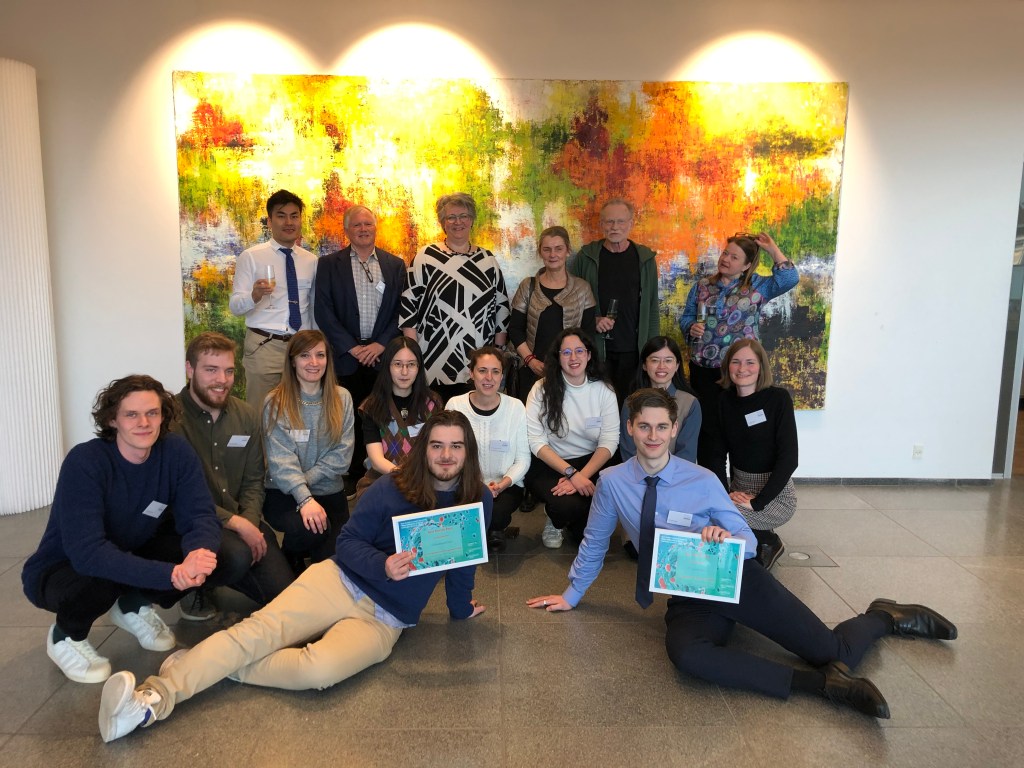
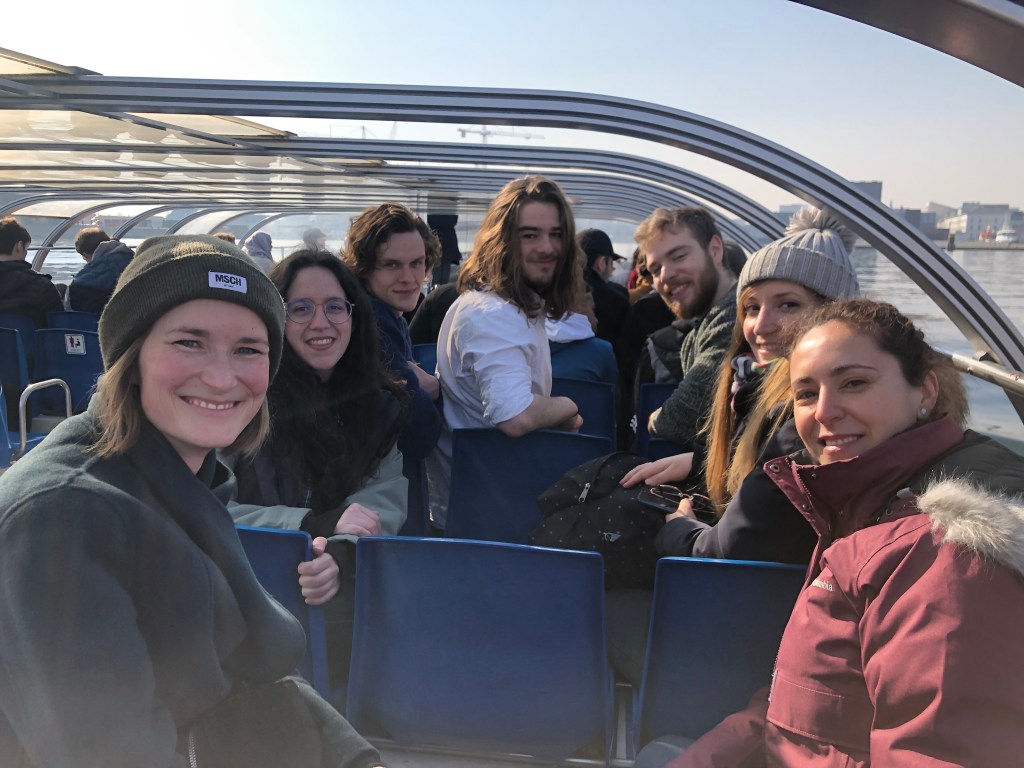
On the 21st March 2022, a scientific birthday gathering was held for Prof. Dr. Vilhelm Bohr in celebration of his lifelong contribution to science, teaching, and mentoring. it was held on the top floor of the Maersk Tower at the Universtiy of Copenhagen. Over 10 Fang group members (and associated members) flew from Oslo and London to attend this unique event. Some pictures and videos (from Evandro Fang or his team members) are listed below for good memory.
To present the Fang lab gift to Prof. Bohr Best post award to two of the Fang lab current/former members Tomas and Bjoern Dinner invited by Prof. Bohr
Additional materials are
Prof. Dr. Vilhelm Bohr’s speech in the dinner: here
Evandro Fang’s speech in Prof. Dr. Vilhelm Bohr’s dinner: here
Evandro Fang’s question to the ageing research ‘big wigs’ on their answers to the use one to two sentences to convince to the students to choose ageing research for their career development: here
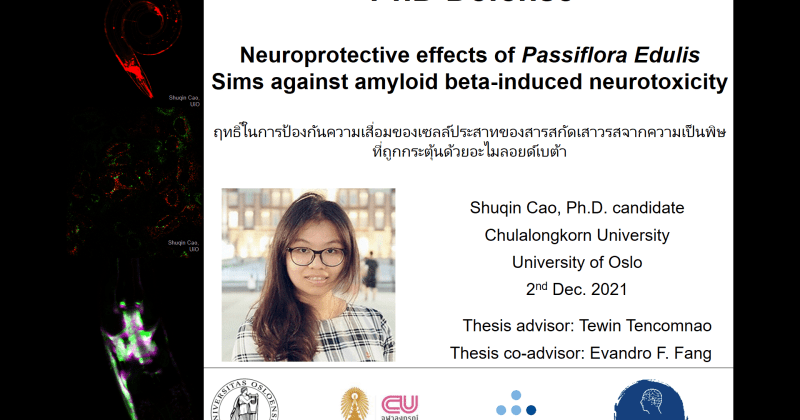
We are please to announce that the Fang group first PhD student Shu-qin CAO (co-mentoring with Prof. Tewin Tencomnao at Chula University) had successfully defended her PhD in a 3-hour meeting. The Committee unanimously scored her PhD with ‘Distinction’, a rare and the highest honor.
The Fang and Labbadia laboratories with a high caliber of international experts on ageing have published a solicited review on autophagy and healthy ageing in Nature Ageing. Synthesis of recent research on #autophagy in health, #aging and disease and discussion of how drugs that modulate the process of autophagy could be used to suppress age-associated diseases.
The complete author list: Yahyah Aman1,3†, Tomas Schmauck-Medina1†, Malene Hansen4, Richard I Morimoto5, Anna Katharina Simon6, Ivana Bjedov3,7, Konstantinos Palikaras8, Anne Simonsen9, Terje Johansen10, Nektarios Tavernarakis11,12, David C. Rubinsztein13, 14, Linda Partridge3, 15, Guido Kroemer16-20, John Labbadia3,* and Evandro F. Fang1,2,*
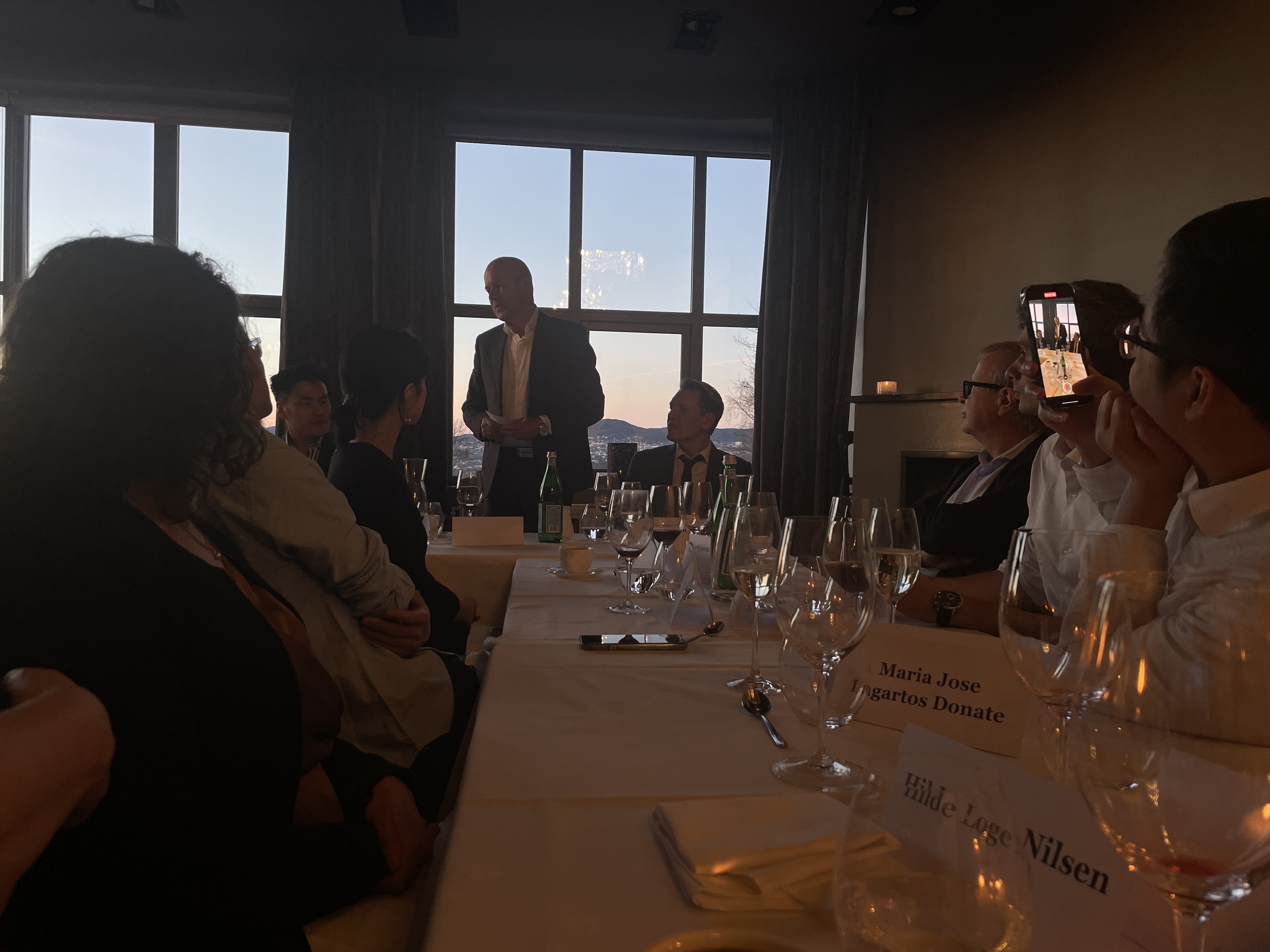
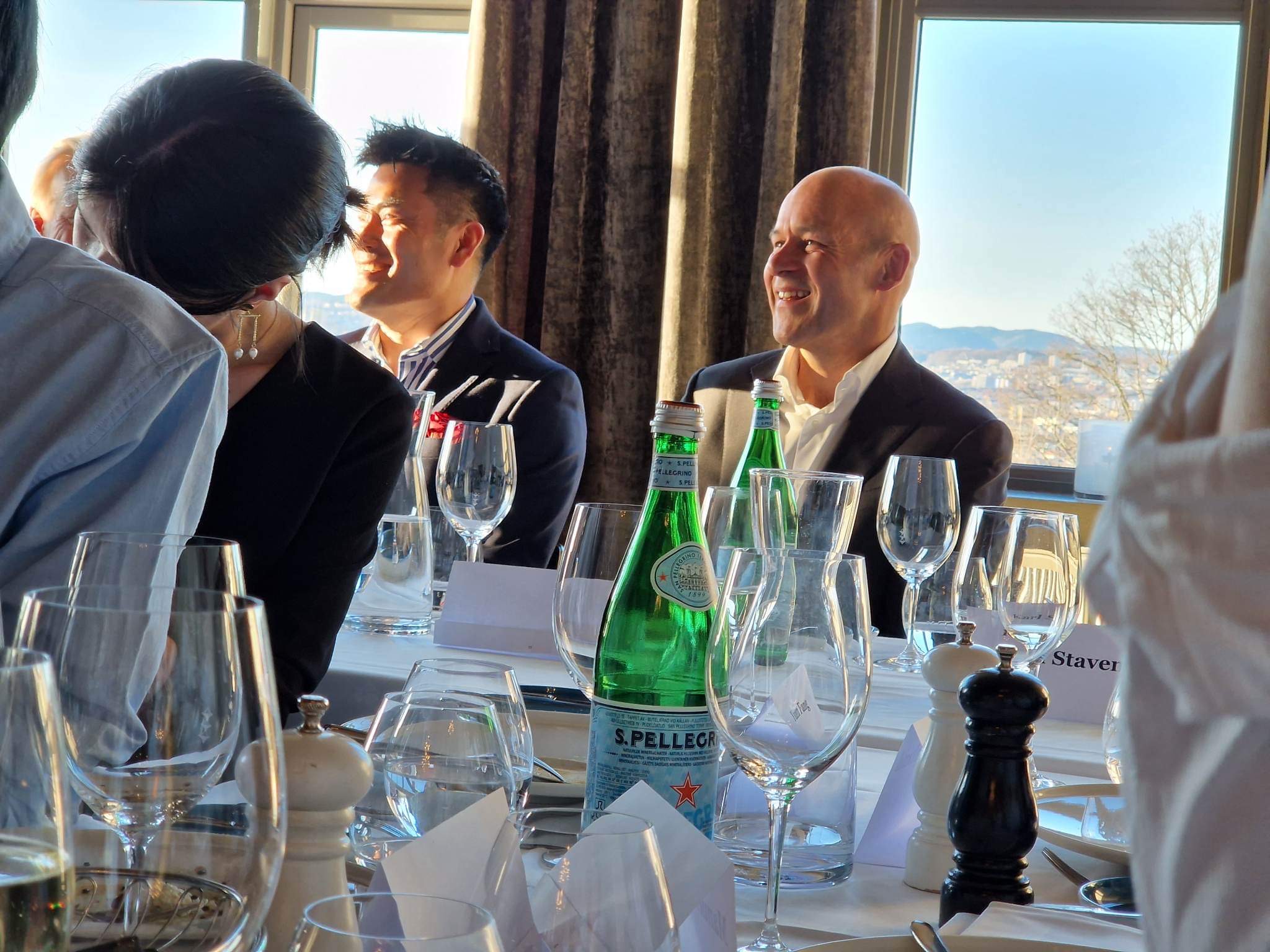
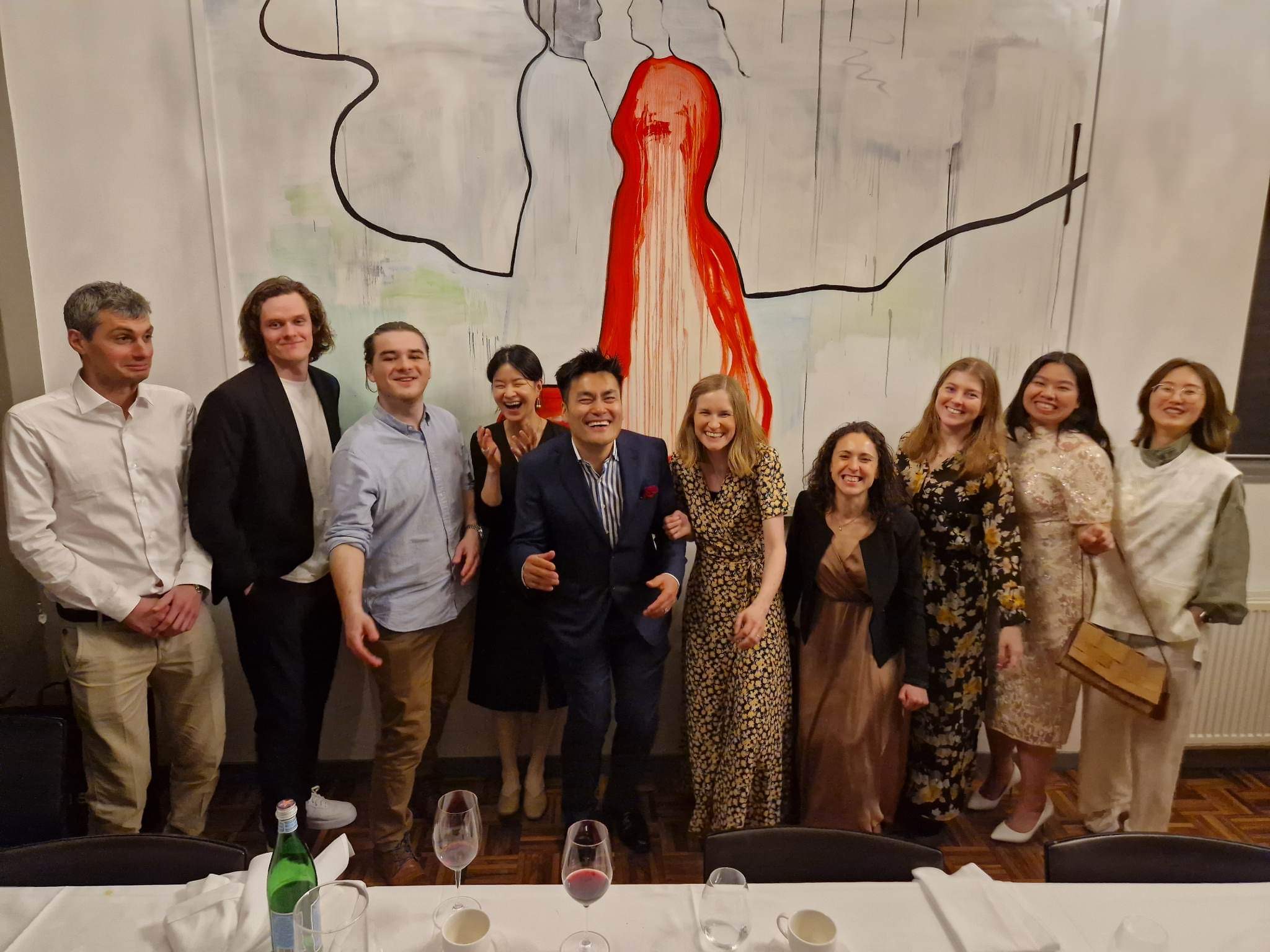
It has been such a wonderful, happy, memorable, and fruitful 3-year career development journey at the lovely the University of Oslo (UiO), and the Akershus University Hospital (Ahus), Oslo, Norway.
I opened the Fang Lab UiO on the 2nd Oct. 2017, one month after I finished my 5.5-year postdoc with Prof. Dr. Vilhelm A. Bohr at the National Institute on Ageing (NIA), Baltimore, USA. After only about 20 days, I had my 1st student Nica (Domenica Caponio) from southern Italy joined my group. Nica had since then became a multi-faceted member of the Fang lab: she was a Ph.D. exchange student and needed to design and run the experiments; she was the lab manager to a team of two to over 5+ in a few months, for ordering, maintenance etc; she was also a friend of me, we worked closely together hand by hand and built the lab platforms…Today, the Fang Lab is growing to be a big lab with 15+ trainees come from many different countries; within 3 years, we have students from a total of 11 countries associated with the Fang lab. And this month, we will also welcome Nica to join us as a postdoc!
The Fang lab is doing ´Molecular Mechanisms of Human Ageing and Age-related Neurodegeneration´ at international level. We have more than 10 projects going on here, covering from the molecular mechanisms of ageing, developing strategies to turning up mitophagy to forestall memory loss in Alzheimer´s disease (AD), to the use of artificial intelligence (AI) to identify lead compounds for healthy longevity and AD. In the past three years, the Fang Lab has published over 10 papers, including papers in Nature Neuroscience(Fang EF et al., 2019), Cell Metabolism(Lautrup et al., 2019), and Ageing Research Reviews (Fang EF et al., 2020). The Fang lab has also been very successful in securing external funding from Norway (e.g., HSØ, RCN), EU (e.g., Marie Curie, KAPPA (Czech Republic-Norway joint grant, ranked 2nd over a total of 154 grants), and China (e.g., NSFC). The Fang lab is actively doing ´bench-top to bed-side´research: in collaboration with clinicians, the Fang lab is going to lead one NAD+-based clinical trial, and has been participated as a key member in 5+ NAD+ clinical trials. The Fang lab is very active in National and International ageing societies as Dr. Fang is a major player of the NO-Age network, the NO-AD network, the Hong Kong-Nordic Research Network, and the NO-Age and NO-AD Seminar Series, a new editor of the leading ageing journal Ageing Research Reviews (and other journals), and has been given over 50 talks in national/international meetings and in leading research universities worldwide. The Fang lab discoveries have been recognized by DKNVS and other prestigious scientific societies, and have been reported in national and international main-stream media, including the Norwegian largest Newspaper VG.
Invited by UiO, today I also gave a talk on ´Independent Career Development´to share my personal experience to the postdocs and young researchers who are on the stage of developing their independent careers. The video is here.
The achievements of the Fang Lab are contributed by each and every former and current members of the Fang Lab! I thank my former postdoc mentor and friend Prof. Vilhelm A. Bohr, and my career mentors and collaborators Profs. Hilde L. Nilsen, Jon Storm-Mathisen, and Linda H. Bergersen, and my many national and international collaborators and friends for their continued and unconditioned supports and helps.
I am looking forward to working with the current and new members of the Fang Lab, and collaborators, to make new breakthroughs in both basic research and in drug development!